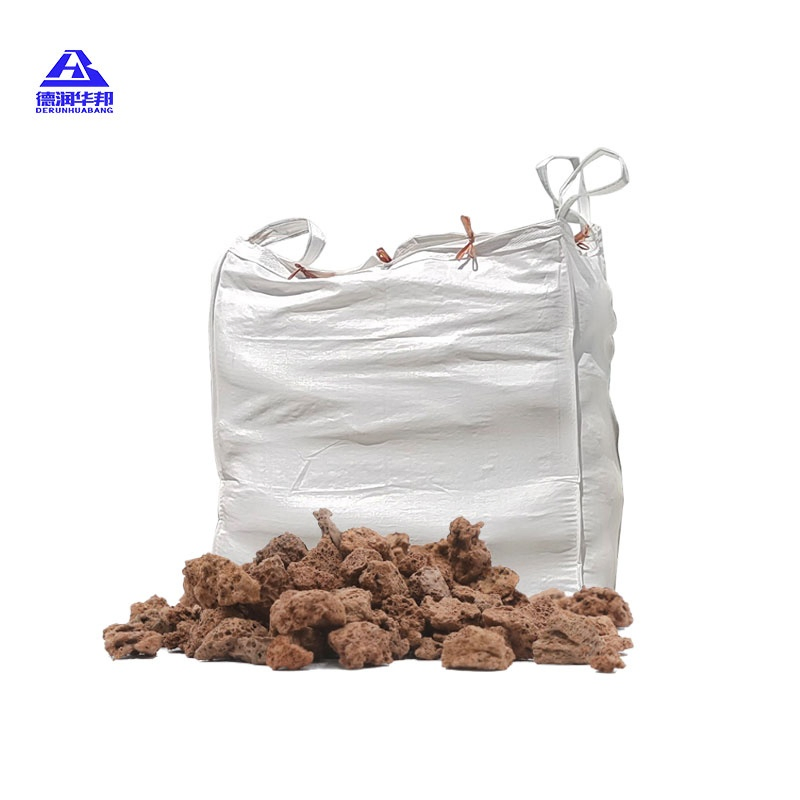
Porous Volcanic Rock Decorative Stone Arrangement

Still deciding? Get samples of $ !
Order Sample

Product Description

Basic Specifications
Model NO.
lava rock
Stone Form
Block
Surface Finishing
Polished
Shape
Irregular
Feature
Wear-resistant
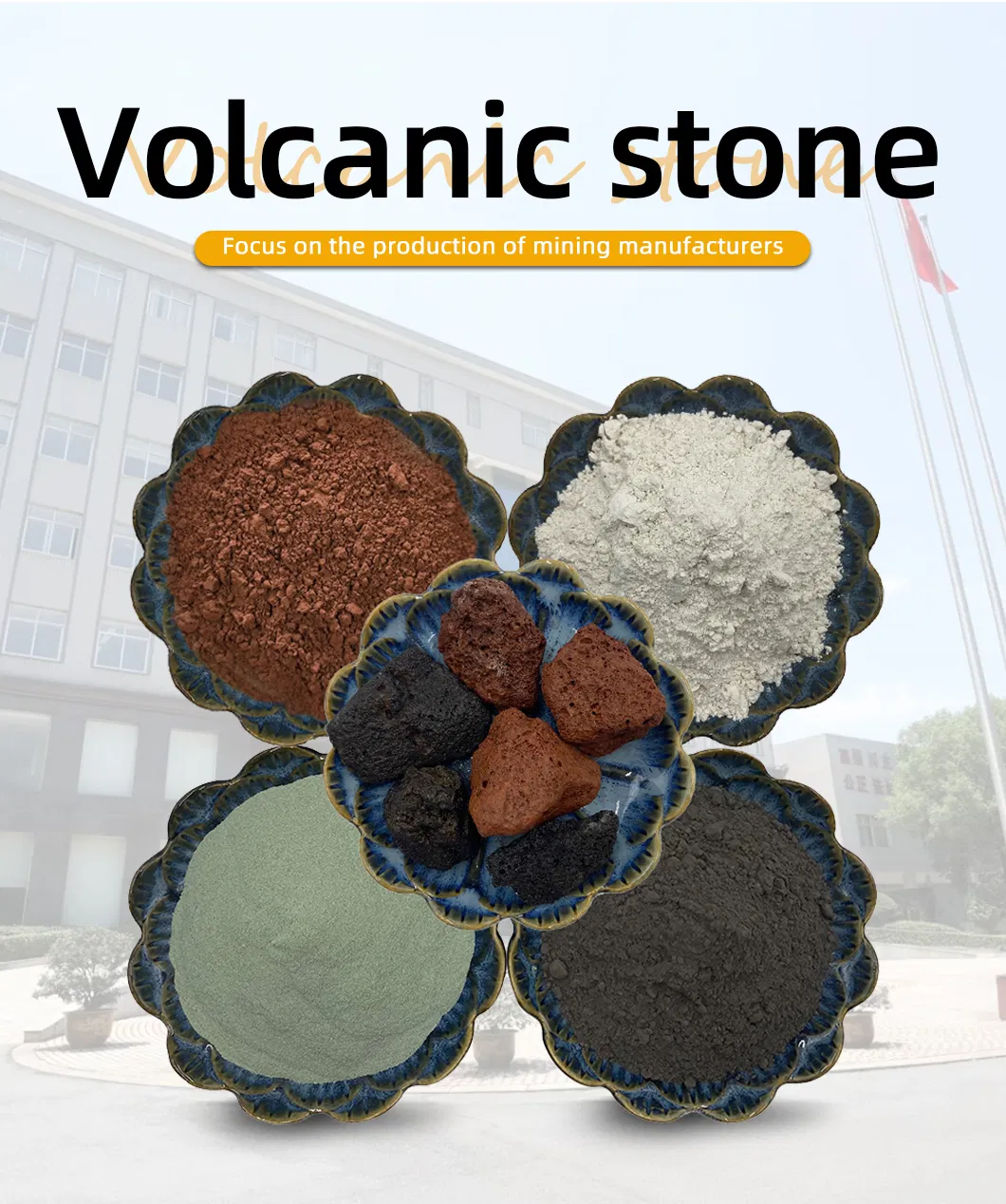
Color
Black, Red
Application
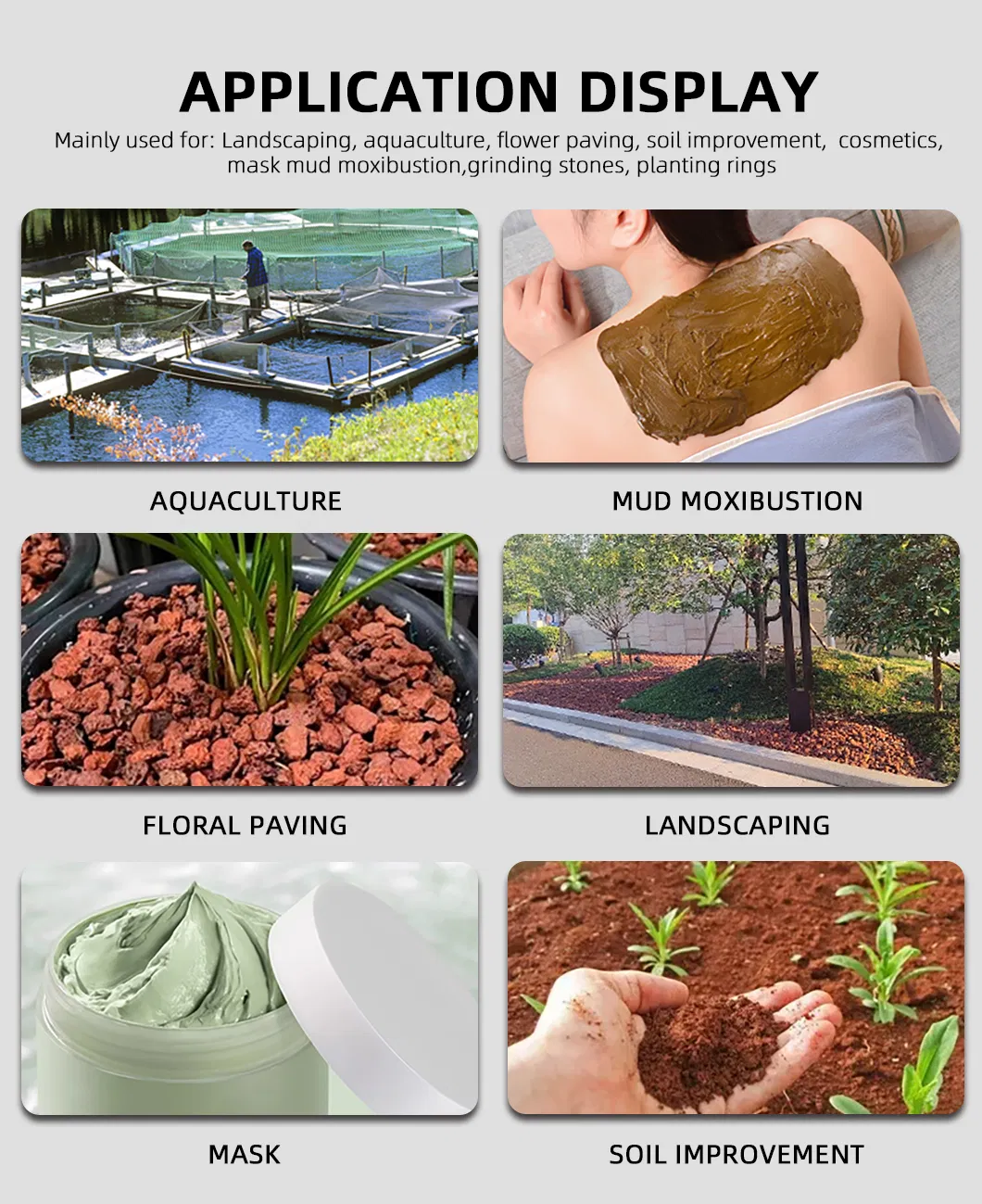
Floor, Garden, Aquarium, Plant
Size
50mesh-3000mesh, or Customized
Technics
Natural
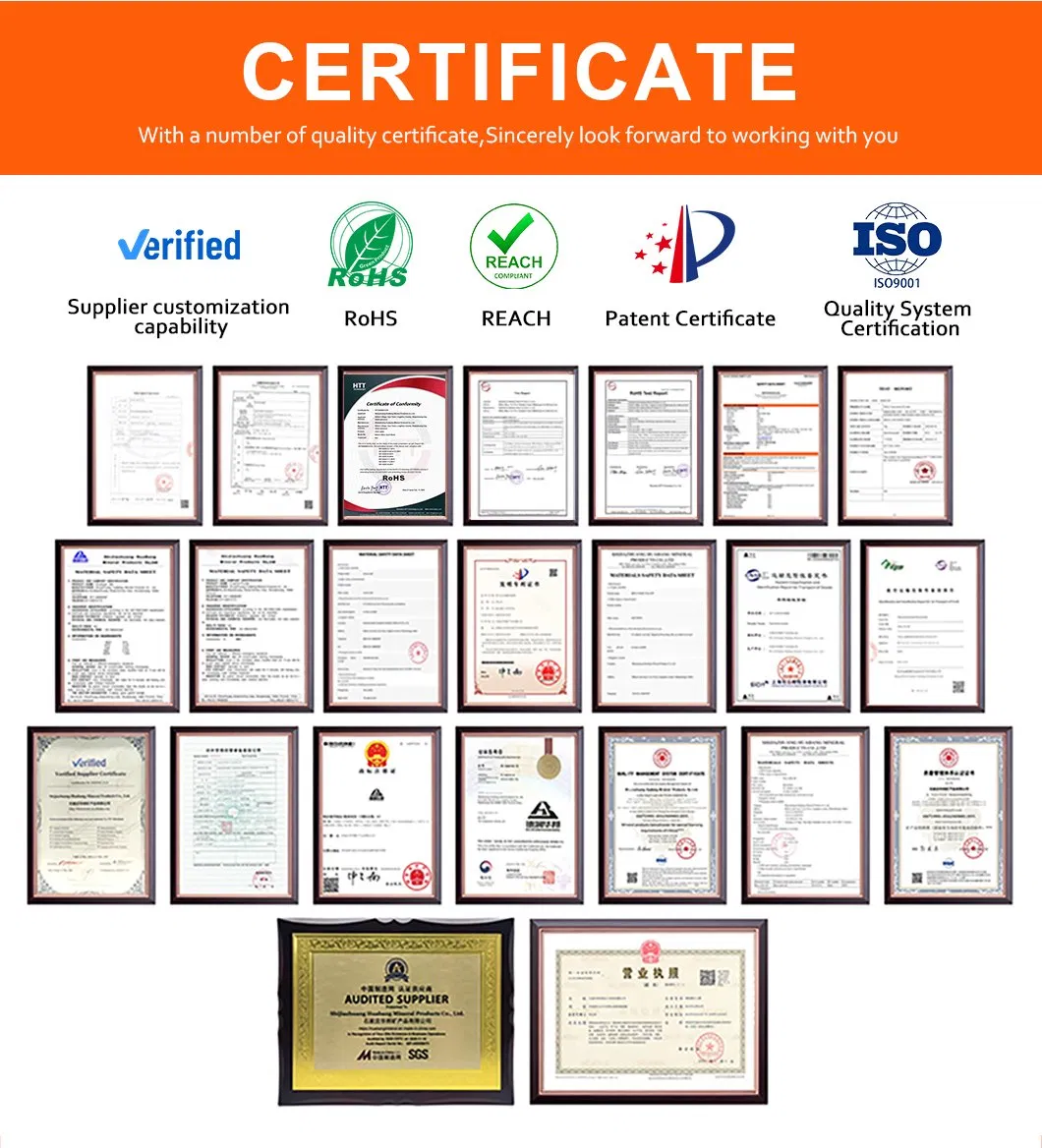
Certification
ISO9001
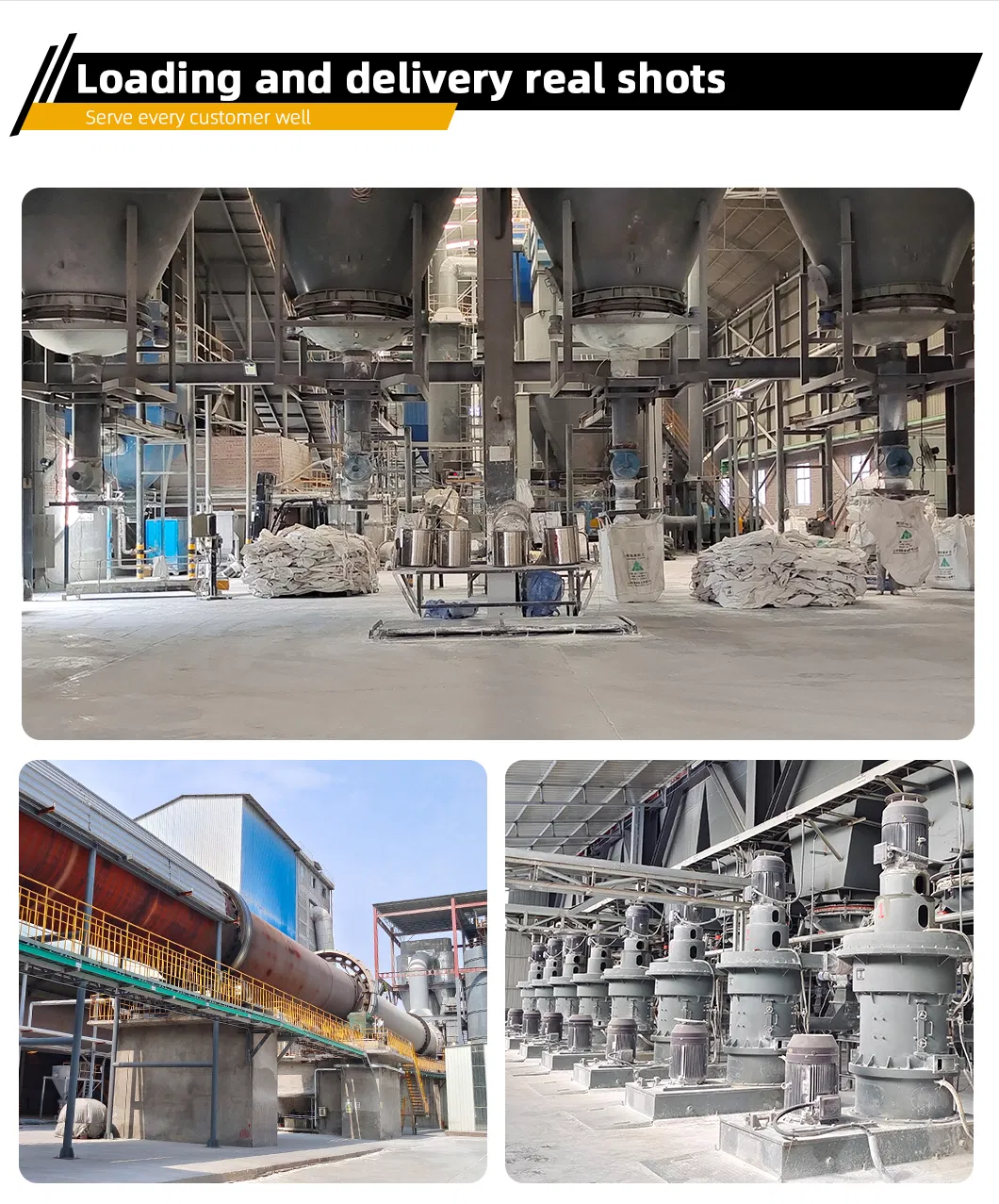
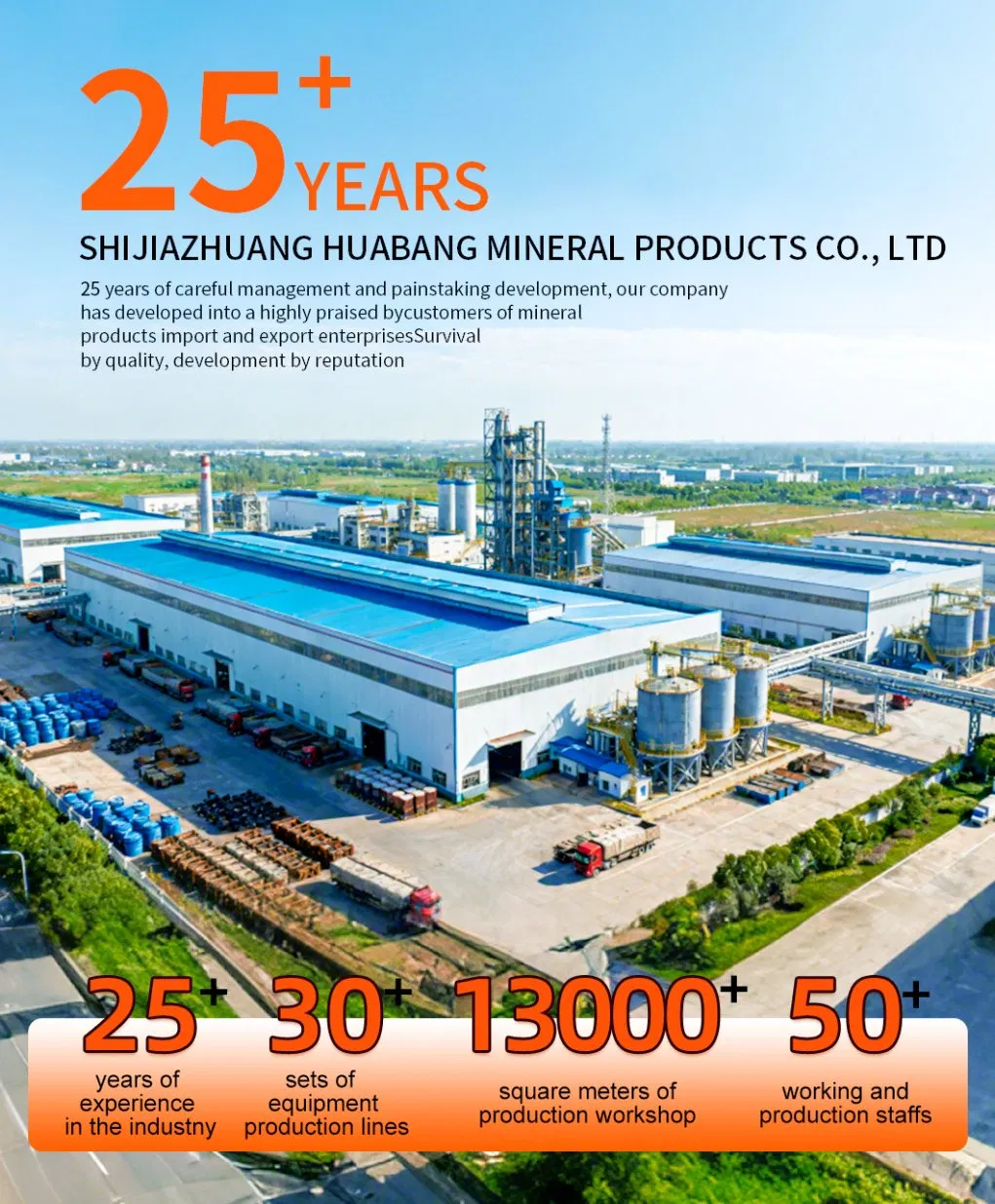
Production Capacity
50000ton/Year
Product Description

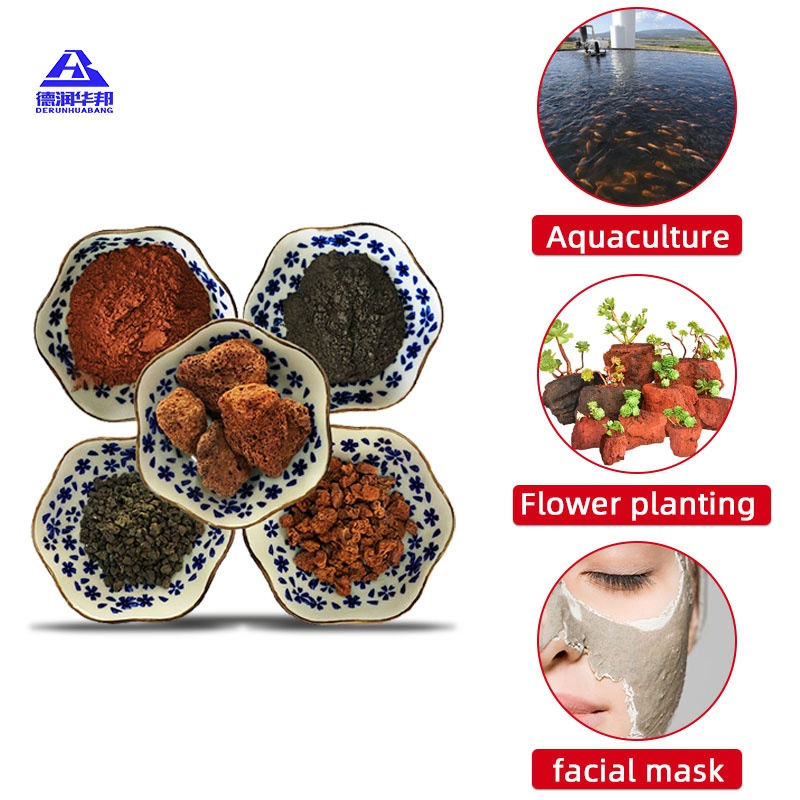
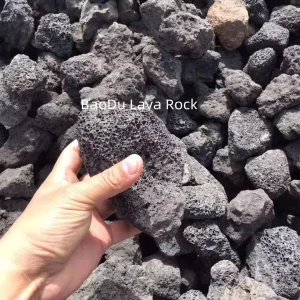
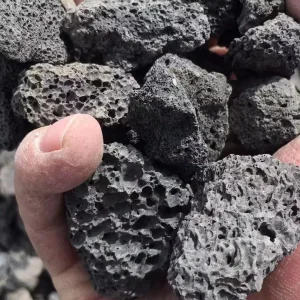
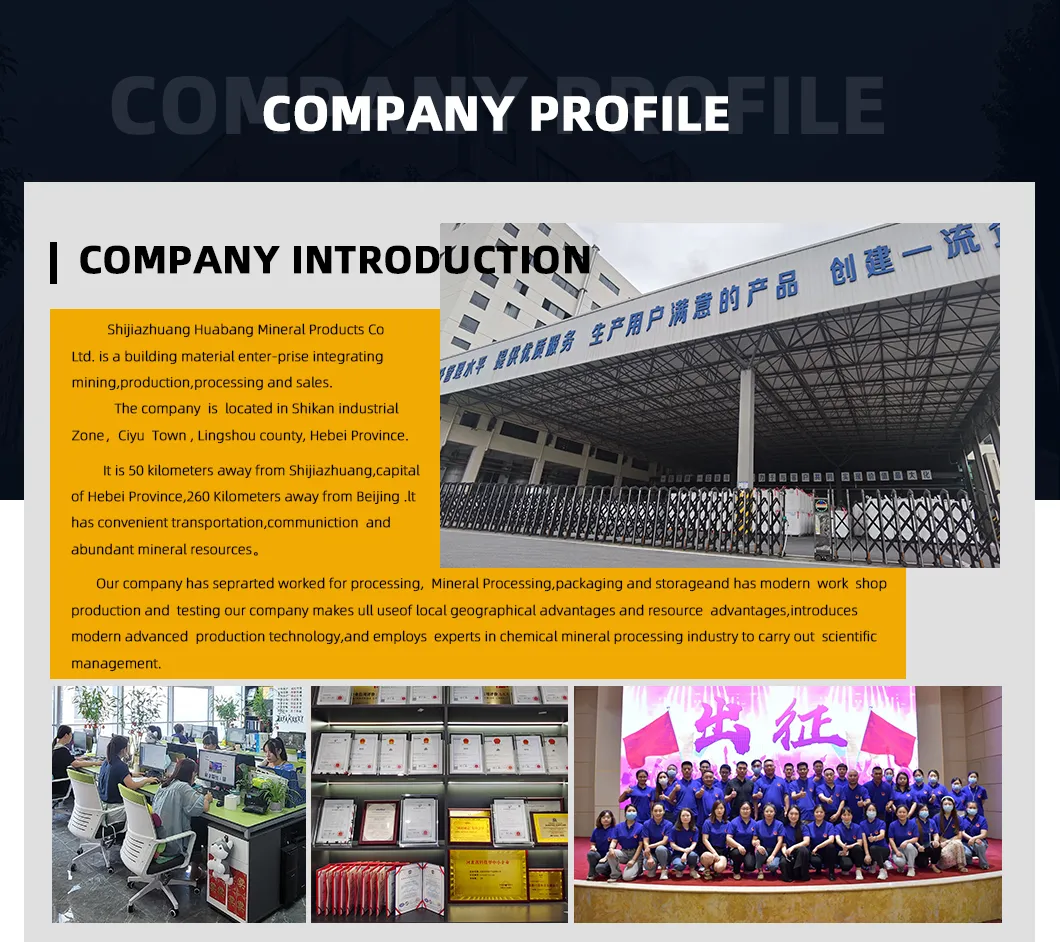
Volcanic stone, commonly known as pumice stone, basalt stone, or lava rock, is a high-performance functional and environmental material. It is naturally enriched with dozens of minerals and microelements including sodium, magnesium, aluminum, silicon, calcium, titanium, manganese, iron, nickel, cobalt, and molybdenum.
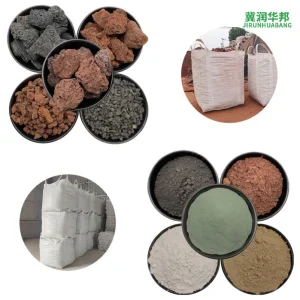
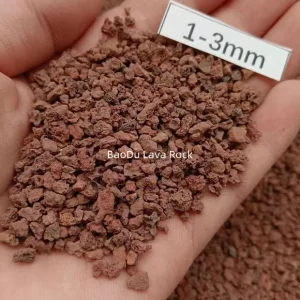
  • Available Sizes: 3-6mm, 6-8mm, 8-10mm, 1-3cm, 3-6cm, 6-8cm, 8-10cm, 10-50cm (Customizable).
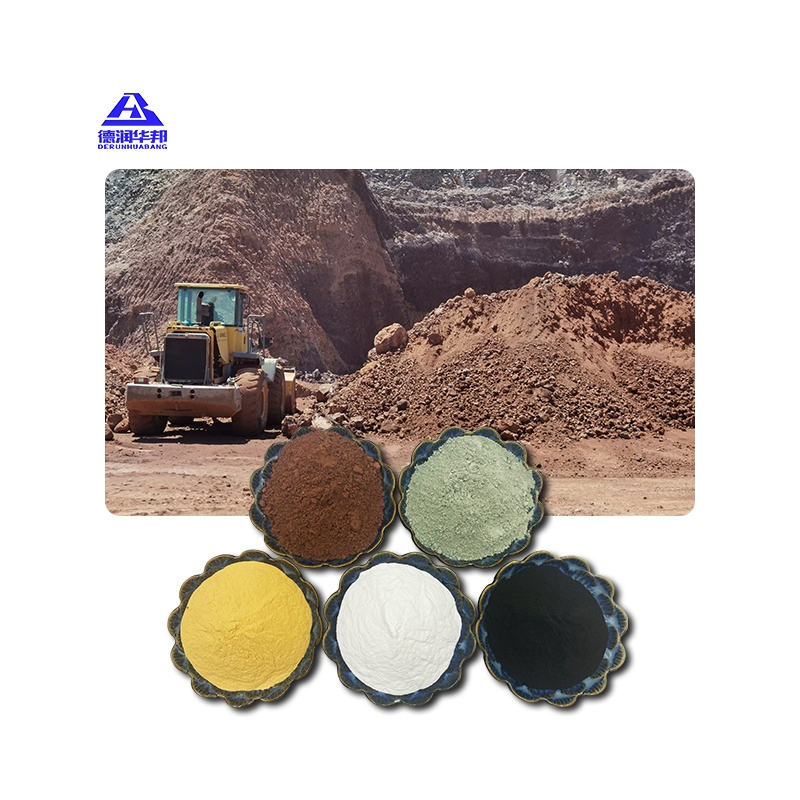
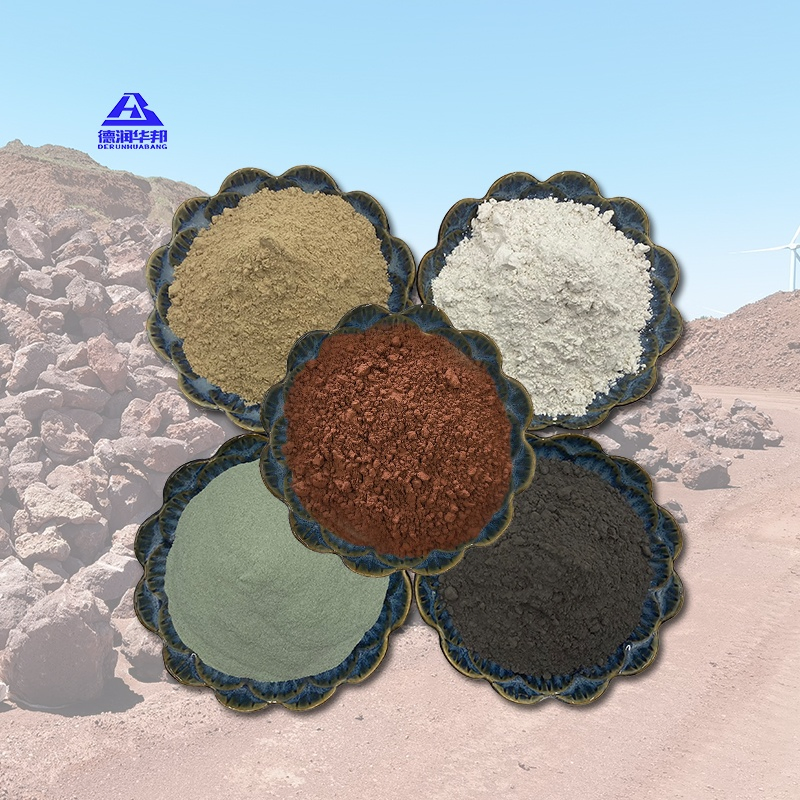
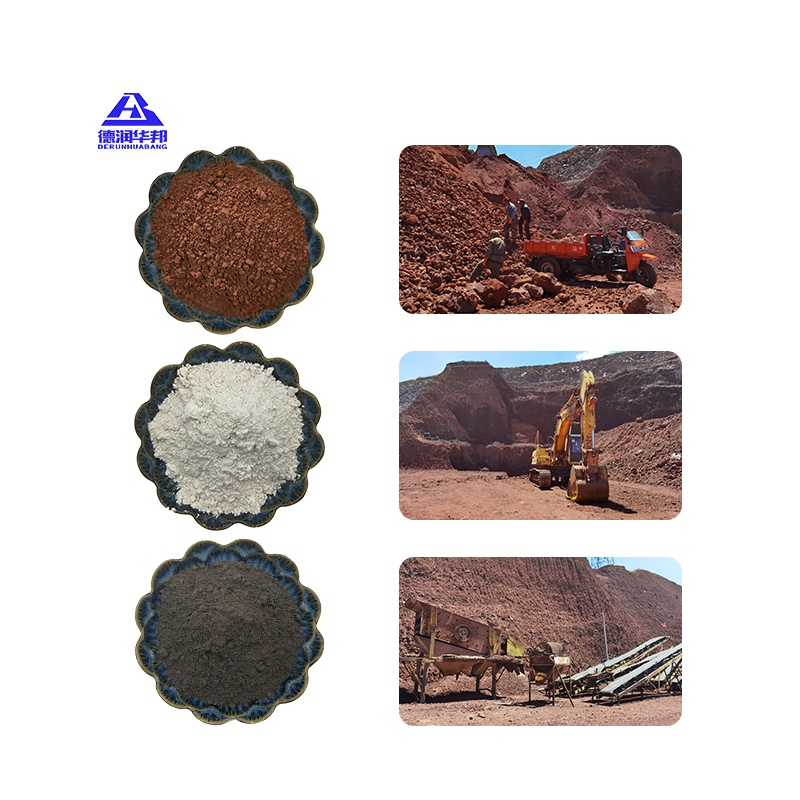
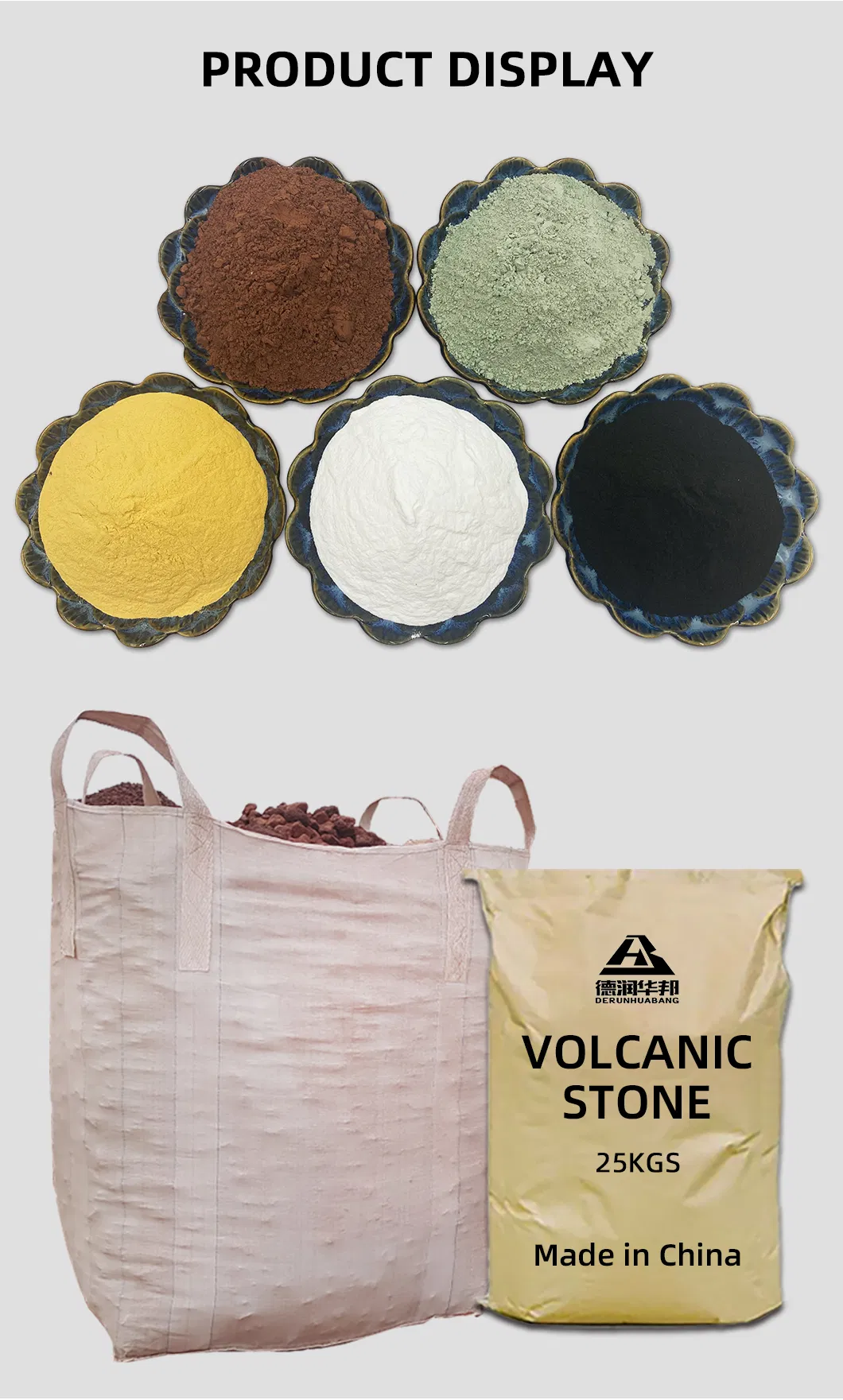
  • Available Colors: Red, Black.
  • Available Styles: Lump, particle, powder, sheet.
Application & Usage

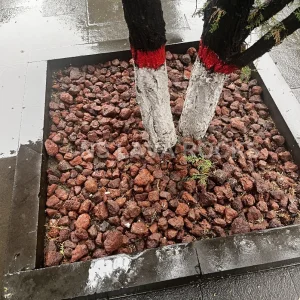
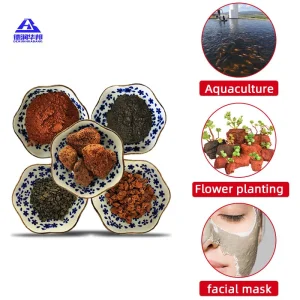
Due to its unique porous structure and mineral content, volcanic stone is widely utilized across various industries including landscape gardening, flooring, wall cladding, plant cultivation, and the aquarium industry.
Quality Certifications
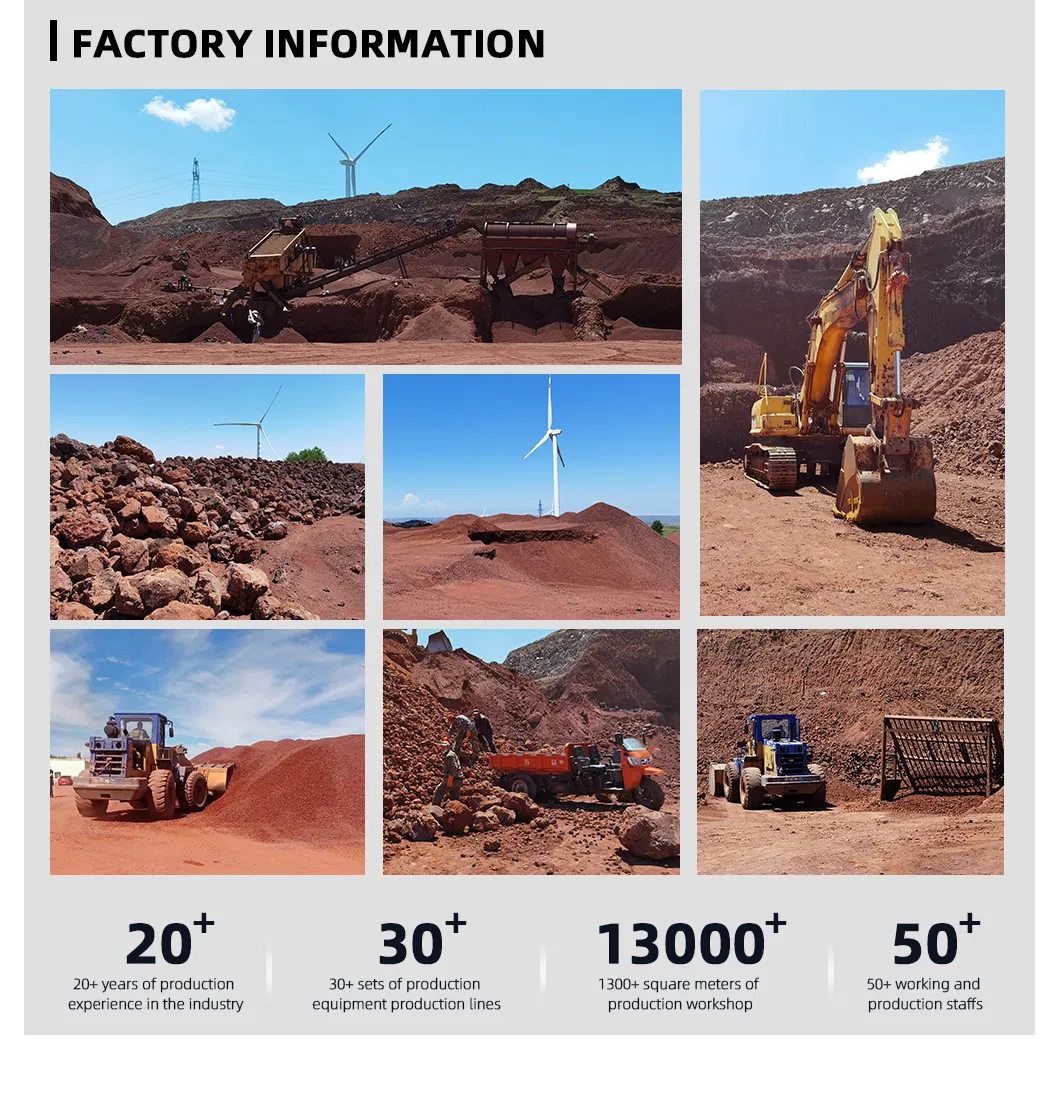
Production Capacity
Packaging & Shipping
Standard Package
25kg/Bag, 50kg/Bag, 1000kg/Bag
Packaging Unit
Pallet Support Available
Frequently Asked Questions
Q: What exactly is volcanic stone? A: It is a natural material formed from volcanic eruptions, commonly known as lava rock, basalt, or pumice stone. It is rich in minerals and highly porous.
Q: What sizes can you provide? A: We offer a wide range from fine powder to large rocks (3mm up to 50cm). Custom sizes are also available upon request.
Q: Is volcanic stone eco-friendly? A: Yes, it is a 100% natural, non-toxic, and environmentally safe material suitable for plants and aquatic life.
Q: What are the primary colors available? A: The natural stones are primarily available in Black and Red.
Q: In which industries is lava rock most commonly used? A: It is widely used in landscaping (gardens), aquarium filtration, construction (flooring/walls), and as a planting medium for succulents and other plants.
Q: What is the annual production capacity? A: Our current production capacity is approximately 50,000 tons per year.

Related Products