Engineered to withstand the demanding marine environments, coastal tides, and high mechanical loads of Fijian municipal and commercial developments.
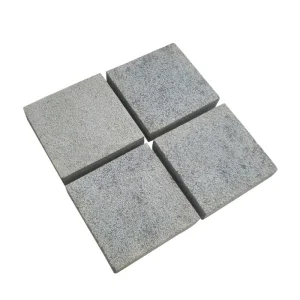
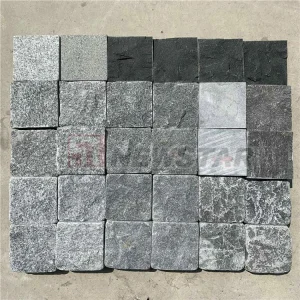
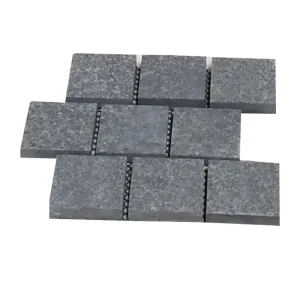
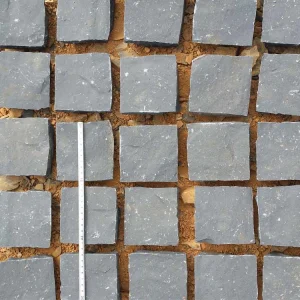
Fiji's architectural landscape, spanning from bustling municipal zones in Suva and Lautoka to luxury private island resorts in the Mamanuca and Yasawa groups, demands structural materials that can endure extreme environmental challenges. As a tropical volcanic archipelago, Fiji is characterized by high humidity, constant exposure to saline air, intensive rainfall cycles, and coastal erosion dynamics.
Traditional concrete pavers degrade rapidly under these conditions, succumbing to salt-induced spalling and cracking caused by temperature fluctuations. Natural basalt, formed by the rapid cooling of magnesium-rich and iron-rich lava, offers an unparalleled density and mineral composition. By introducing premium G684 and black basalt cobblestones to Fiji's infrastructure, engineers and landscape designers achieve lifetime durability that concrete or soft local sedimentary rocks simply cannot replicate.
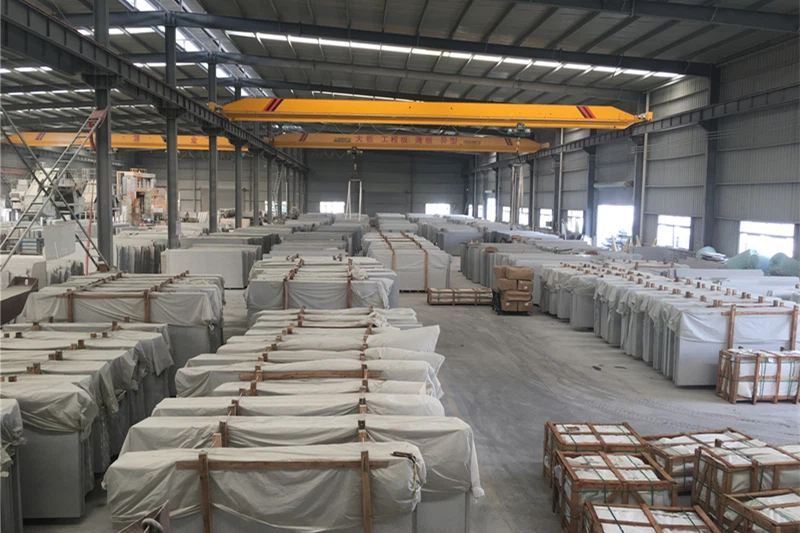
Analyzing specific engineering integration scenarios where natural basalt cobblestones solve structural, aesthetic, and functional challenges in Oceania.
In wet resort zones, slip hazards are a primary liability. Using flamed and natural-split G684 basalt provides a natural texture rating of R11/R12, ensuring high grip for guests walking barefoot, even in heavy monsoon rainfall.
Port areas in Lautoka require surfaces that withstand forklifts, containers, and constant marine machinery. Our dense basalt cubes boast compressive strengths exceeding 160 MPa, resisting indentation and heavy abrasions.
To counter flash flooding in urban areas like Nadi, open-joint basalt cobblestone layouts act as natural filters, allowing groundwater recharge and preventing storm runoff from overloading municipal drains.
A direct engineering comparison showcasing why high-grade basalt outperforms concrete and granite in humid oceanic climates.
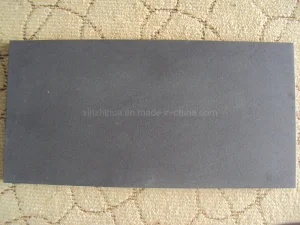
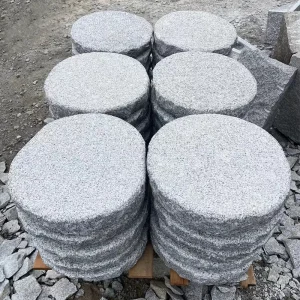
Broadening the landscape spectrum with multi-tonal gray granites, porous basalt tiles, and structural paving materials.
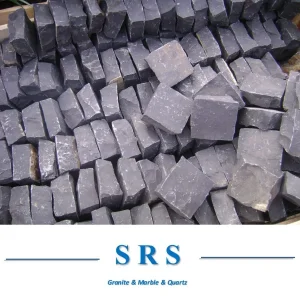
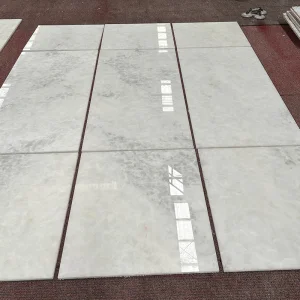
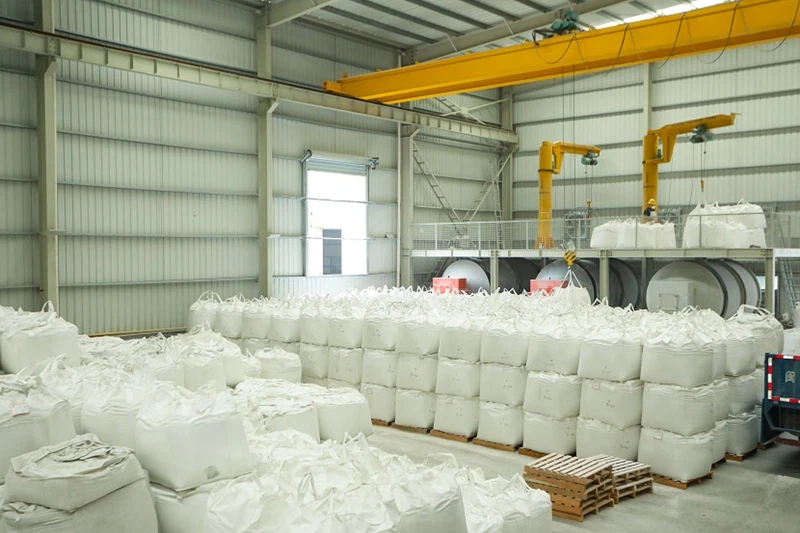
Laizhou Tranquix Stone Co., Ltd. is a professional manufacturer and supplier specializing in stone countertops, cobblestone, garden landscape stone, and stone furniture for both outdoor and indoor applications. Located in Laizhou—one of China’s most renowned stone production regions—the company benefits from abundant natural resources and a well-established stone processing industry.
Founded in 2010, Tranquix began as a small workshop focused on basic stone cutting and local supply. By 2015, the company expanded its operations with advanced CNC equipment and polishing lines, enabling it to enter international markets. Over the years, Tranquix has continuously upgraded its production capabilities and diversified its product range, evolving into a comprehensive stone solutions provider serving residential, commercial, and municipal projects worldwide.
Its product portfolio includes kitchen countertops, custom vanity tops, cobblestones for driveways and pathways, decorative landscape stones, and durable stone furniture such as benches and tables. Emphasizing both functionality and aesthetics, the company offers a variety of materials, finishes, and customization options to meet different architectural styles and environmental conditions.
With a strong focus on quality control, competitive pricing, and reliable delivery, Laizhou Tranquix Stone Co., Ltd. has built long-term partnerships across North America, Europe, and Asia. The company remains committed to innovation, sustainability, and customer satisfaction, positioning itself as a trusted partner in global stone solutions.
Optimized shipping workflows, customs clearances, and regulatory frameworks to guarantee secure delivery to the South Pacific.
Importing heavy stone items into Fiji requires strict adherence to the rules set by the Biosecurity Authority of Fiji (BAF). Wooden crates housing basalt cobblestones must be treated according to ISPM-15 standards. Tranquix Stone issues accredited heat-treatment/methyl bromide fumigation certificates with every consignment to prevent cargo clearance delays at Suva and Lautoka ports.
Operating from the stone processing hubs near Qingdao Port, we leverage partnerships with major marine shipping alliances (such as COSCO, PIL, and Maersk) to coordinate direct or minimal-transit voyages to Fiji. Typical transit windows range from 18 to 26 days. We pack basalt cobblestones in heavy-duty, steel-reinforced crates, ensuring zero transit shifts and allowing easy crane unloading on construction sites.
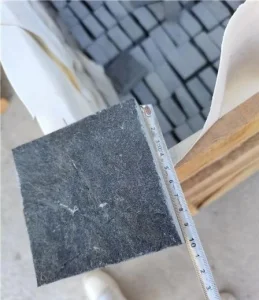
To ensure zero dimensional discrepancies, our quality assurance division tests every batch against tolerance specs. For cobblestones, we check:
How basalt cobblestones fit into modern sustainable architecture, low carbon footprint calculations, and international projects.
Natural stone continues to capture global landscape architecture markets due to its long service life. While synthetic pavers and concrete represent high carbon outputs during chemical processing, natural basalt is extracted and shaped mechanically. The resulting carbon footprint over its lifecycle is significantly lower. Furthermore, as municipal zones globally move towards sponge city technologies, the demand for natural stone cobbles that facilitate natural water drainage is growing. By choosing durable basalt cobblestones, project managers in Fiji invest in infrastructure that contributes to environmental preservation and regional climate resilience.
Expert technical answers to assist developers, estimators, landscape architects, and procurement managers in Oceanian territories.
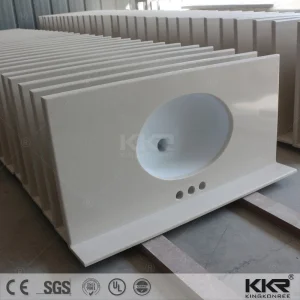
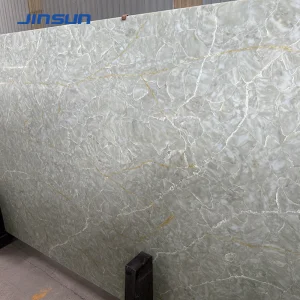
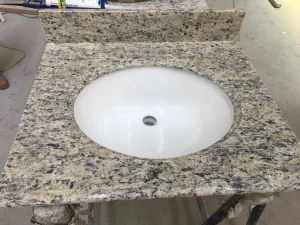
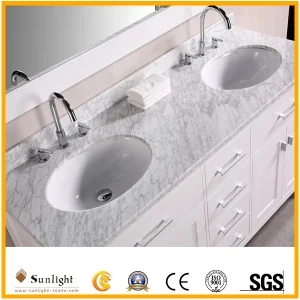
Complementing municipal paving projects with high-quality interior marble, quartz vanity tops, and custom furniture pieces.
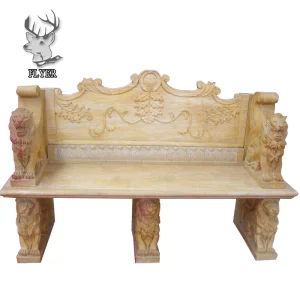

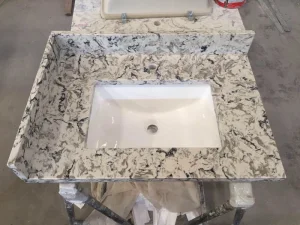
Get in touch with our commercial engineering team to request detailed technical datasheets, order physical samples, or receive a project estimation quote.
 Tranquix Stone