The durability of outdoor stone materials is significantly influenced by weather conditions. Factors such as temperature fluctuations, moisture, and UV exposure play crucial roles. According to industry reports, nearly 40% of stone degradation is weather-related, impacting both aesthetic and structural integrity. Understanding how weather affects outdoor stone materials is vital for architects, builders, and homeowners alike.
Extreme weather can lead to cracking and disintegration of stone surfaces. For example, freeze-thaw cycles cause water to expand in cracks, accelerating damage. A study by the Natural Stone Institute reveals that stones exposed to heavy rainfall experience a decrease in lifespan by up to 30%. This illustrates the need for careful material selection and maintenance.
Moreover, UV radiation can cause color fading and surface wear. Stones with high porosity absorb water and are particularly vulnerable. Industry experts suggest that implementing proper sealing and regular maintenance can mitigate these risks. However, many projects overlook this aspect, leading to premature deterioration. It's essential to invest time in understanding these factors for long-lasting outdoor stone solutions.
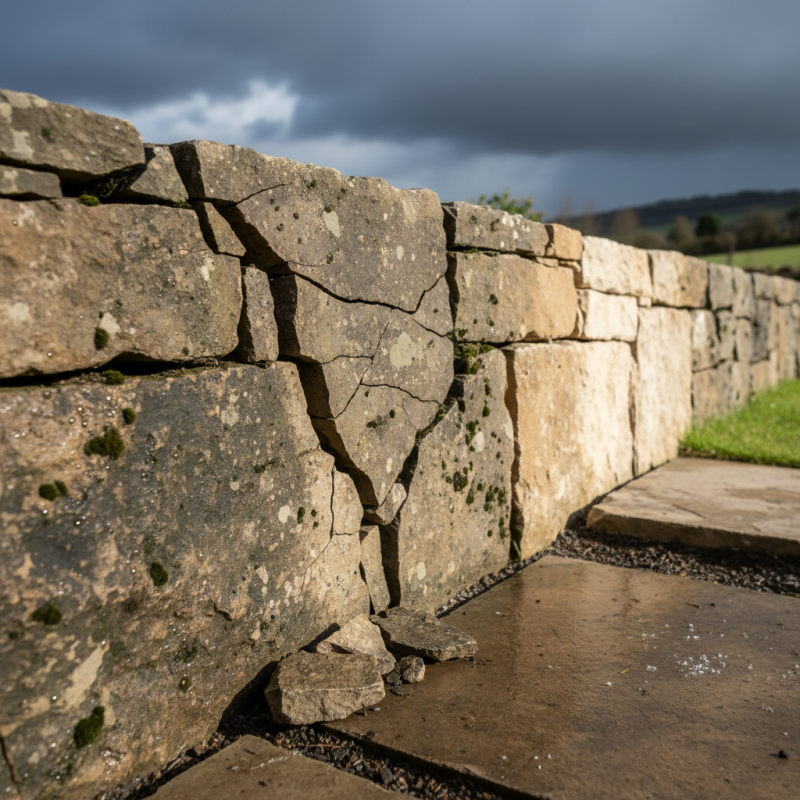
Weather plays a crucial role in the durability of outdoor stone materials. Various factors determine how these materials respond to environmental conditions. For instance, temperature fluctuations can lead to thermal expansion and contraction. This can cause cracks over time. Additionally, moisture levels can impact the integrity of stone. Excessive water may erode the surface, while freezing temperatures can cause ice to form in cracks, worsening damage.
Proper maintenance can greatly enhance the lifespan of outdoor stone. Regular sealing can protect against moisture infiltration. Also, avoiding harsh cleaning products helps maintain the stone's natural appearance.
When selecting stone for outdoor projects, consider its porosity. More porous stones absorb more water, which can weaken them. Take into account local climate conditions as well. Hot, dry areas can dry out stones too quickly, while humid regions may encourage mold growth.
Keep these factors in mind. They can make a significant difference in your project's success. Understanding the relationship between weather and stone durability is essential for long-lasting outdoor spaces.
: Moisture can seep into stones, causing internal damage over time. This is particularly true for porous stones.
Rainfall can wash away protective coatings, exposing stones to harmful elements and weathering effects.
UV radiation can break down chemical bonds in stones, leading to fading colors and weakening structures.
No, stones vary in resistance. Granite and limestone may show more discoloration with prolonged sunlight exposure.
Water that seeps into stones can freeze, expand, and create pressure, leading to cracks and damage over time.
Softer stones, like limestones, are more vulnerable than harder stones, such as granite, which may resist these effects better.
Regular inspections are essential to identify wear signs, such as biological growth or discoloration.
Proactive maintenance helps catch potential problems early, preventing more severe damage to the stone structures.
Yes, even high-quality stones can fail under freeze-thaw conditions if chosen without considering local climate factors.
Assess the freeze-thaw resistance of stones and consider the local climate to enhance longevity.
The article "How Weather Affects the Durability of Outdoor Stone Materials" explores several key factors that influence the longevity and integrity of stone used in outdoor settings. It examines how temperature fluctuations can lead to thermal expansion and contraction, potentially causing cracks and structural weaknesses in the stone. Additionally, the impact of moisture and rainfall is highlighted, as constant exposure to water can promote erosion and weaken the material over time.
Furthermore, the role of UV radiation is discussed, noting that prolonged sunlight exposure can degrade stone surfaces and alter their appearance. The article also details how freeze-thaw cycles exacerbate deterioration, where water trapped within the stone expands upon freezing, leading to more significant damage. Overall, understanding how weather affects outdoor stone materials is crucial for maintaining their durability and ensuring their long-lasting performance.

 Tranquix Stone