Top 10 Reasons Why Natural Stone is a Favorite for Outdoor Projects

Time:2026-07-21 Author:Mason
0%

Natural stone has captivated the hearts of many homeowners and designers alike. It is often the top choice for outdoor projects. According to landscape architect Emily Thornton, "The durability and beauty of natural stone make it a timeless option for any outdoor space." This reflects a powerful sentiment in the industry regarding why natural stone is popular in outdoor projects.

Moreover, natural stone offers unique textures and colors. Each piece tells its own story, adding character to patios, walkways, and gardens. The versatility of materials like granite and slate allows for endless design possibilities. However, using natural stone can be a challenge. Proper installation requires skill and experience. This journey can lead to unexpected issues, whether it's uneven surfaces or mismatched stones. Yet, many still embrace these imperfections, celebrating the idea that nature is not flawless.

With its ecological benefits and aesthetic appeal, the reasons for its popularity are compelling. Natural stone connects people to the environment. It enhances outdoor spaces beautifully while standing the test of time. Understanding why natural stone is popular in outdoor projects invites us to explore these elements more closely. Embracing its quirks can lead to stunning and unique outdoor spaces.
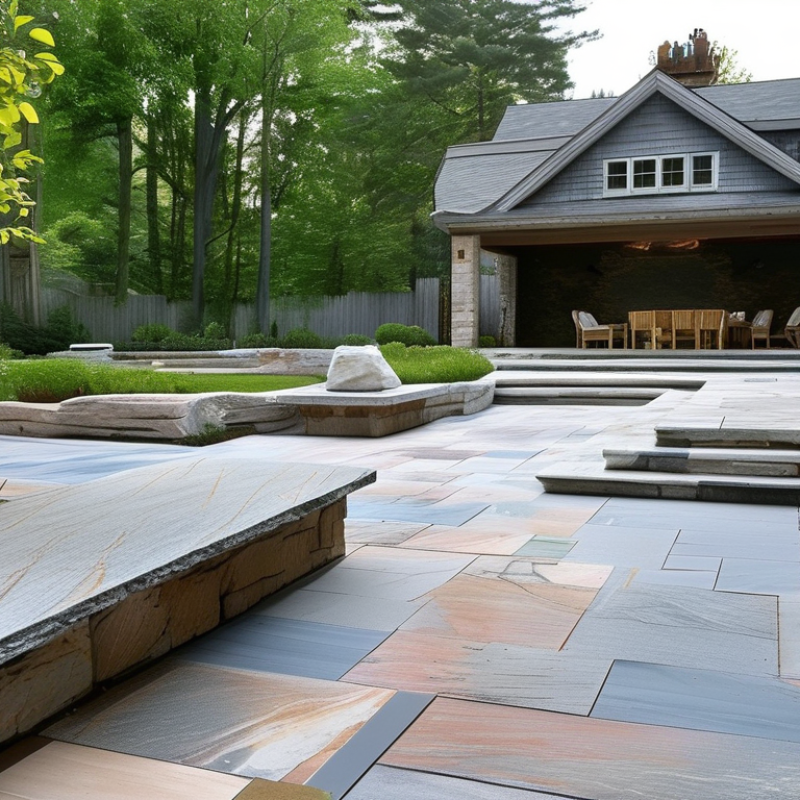
Top 10 Reasons Why Natural Stone is a Favorite for Outdoor Projects

Benefits of Natural Stone for Durability in Outdoor Environments

Natural stone is highly favored for outdoor projects due to its unparalleled durability. Unlike synthetic materials, natural stone can withstand harsh weather conditions. It resists cracks, fading, and wear over time. This makes it an ideal choice for patios, walkways, and outdoor kitchens.

Natural stone adds an organic beauty to outdoor spaces. Each piece has unique textures and colors, creating a distinct character. Properly sealed, it can withstand moisture and freezing temperatures. Maintenance is often simple; occasional cleaning preserves its natural luster.

Tips for using natural stone: Choose the right type for your climate. Some stones perform better under specific conditions. Always consult an expert before installation to avoid costly mistakes. Another tip—opt for thicker slabs in high-traffic areas. This helps prevent chipping and enhances longevity.

When considering natural stone, think about the layout and design. Imperfections can occur and need attention. Small inconsistencies in color or texture may arise, but they can add charm to your project. Embrace these quirks, as they make your outdoor space unique.

Top 10 Reasons Why Natural Stone is a Favorite for Outdoor Projects

Natural Aesthetics: Enhancing Landscape Design with Natural Stone

When it comes to enhancing landscape design, natural stone reigns supreme. Its unique textures and colors create a stunning visual appeal that artificial materials struggle to replicate. According to the National Stone, Sand & Gravel Association, natural stone has a longevity that often exceeds 100 years, making it a wise investment for outdoor projects. This durability means fewer replacements and repairs, ultimately saving money over time.

Using natural stone in gardens or patios adds an organic touch. Limestone, granite, and slate offer distinct aesthetic qualities. Each type has its own character, allowing for personalized designs. For instance, granite can withstand harsh weather while offering a sleek finish. However, choosing the right stone can be challenging. Some stones absorb water, leading to staining or cracking. It's essential to consider the local climate and usage.

Tips: Always consult a professional before making a selection. Consider the maintenance needs of each stone type. Test small samples in your environment to see how they react to weather and wear. The right choice can elevate your landscape to new heights. You’re not just creating a space; you’re crafting an experience.

Temperature Resistance: How Natural Stone Performs in Varying Climates

Natural stone is renowned for its temperature resistance, making it an ideal choice for outdoor projects. In regions with extreme weather conditions, natural stone demonstrates remarkable durability. According to a report by the Natural Stone Institute, stone can withstand temperatures ranging from freezing to extremely high summer heat without significant degradation. This resilience stems from its low thermal expansion, which minimizes the risk of cracking and warping.

Natural stone's ability to insulate against temperature fluctuations is impressive. In winter, stone retains warmth, while in summer, it remains cool to the touch. This feature not only enhances comfort but also contributes to energy efficiency in surrounding spaces. Some studies indicate that stone structures can lower heating and cooling energy needs by up to 20%.

Tip: When selecting natural stone, consider local climate conditions. Stones with higher density often perform better in extreme temperatures. It's crucial to check the stone's porosity levels, too. Low porosity stones are less likely to absorb water, reducing freeze-thaw damage in colder climates. Always consult with professionals to choose the best type for your specific environment.

Sustainability: Natural Stone's Eco-Friendly Properties and Sources

Natural stone is increasingly favored for outdoor projects due to its sustainability. The extraction process of natural stone typically involves minimal energy compared to synthetic materials. According to a study by the Natural Stone Institute, natural stone production generates 44% less carbon dioxide compared to concrete. This significant reduction highlights the eco-friendly properties of natural stone.

Natural stone is sourced from quarries that often prioritize environmental stewardship. Many quarries follow practices that involve land reclamation. This means that once quarrying is complete, the land can be restored to its natural state. It allows for local ecosystems to thrive again. Moreover, natural stone has a longer lifespan, which minimizes the need for replacements. It often outlives alternative building materials.

Another aspect is water conservation. Natural stone requires less maintenance and fewer chemical treatments, reducing potential runoff. Data from the Environmental Protection Agency indicates that landscape surfaces made from natural stone can help manage rainwater better than other materials. However, excessive quarrying can raise concerns about overexploitation. Striking a balance between resource use and environmental impact remains vital.

Top 10 Reasons Why Natural Stone is a Favorite for Outdoor Projects - Sustainability: Natural Stone's Eco-Friendly Properties and Sources

Reason Description Eco-Friendly Property Source of Material
Durability Natural stone is incredibly durable and can withstand harsh weather conditions. Long Lifespan Quarried from sustainable sources
Thermal Mass Helps regulate temperature, reducing energy costs in heating and cooling. Energy Efficient Locally sourced materials minimize transportation emissions
Low Maintenance Requires minimal upkeep compared to other materials. Reduced Resource Consumption Sustainably mined quarries
Natural Aesthetics Offers unique beauty and natural character to landscapes. Biodegradable Recycled stones used in some cases
Variety of Options Available in numerous types, colors, and finishes. Sustainable Selection Ethically sourced stone
Inert Material Does not emit harmful chemicals or pollutants. Indoor Air Quality Naturally occurring materials
Recyclability Old stone can be reused in new projects. Waste Reduction From deconstruction sites
Timeless Appeal Never goes out of style and enhances property value. Long-Lasting Design Harvested through environmentally sound practices
Natural Insulation Helps to insulate homes, reducing energy consumption. Carbon Footprint Reduction Regionally sourced materials
Historic Significance Many natural stones have historical value and stories. Cultural Heritage Indigenous quarrying practices

Cost-Effectiveness: Long-Term Value of Investing in Natural Stone for Outdoors

Choosing natural stone for outdoor projects is a smart choice. Its cost-effectiveness is notable. Although the initial investment may seem high, it pays off over time. Natural stone is durable and resistant to weather changes. This means fewer repairs and replacements.

Many homeowners appreciate the aesthetic appeal. Each stone has unique colors and patterns. This beauty can increase property value. However, not all stones are equal. Some can be more porous and may require sealing. It’s essential to consider these factors when making a decision.

Investing in natural stone also supports sustainability. It is a natural resource that can be recycled and reused. In comparison to synthetic materials, it has a lower environmental impact. Yet, there is a balance to strike. The extraction process can sometimes affect local ecosystems. Awareness of these issues is vital for responsible choices.

FAQS

: What are the benefits of using natural stone in landscape design?

: Natural stone offers unique textures and colors, enhancing visual appeal. It also has a longevity exceeding 100 years.

Why is natural stone considered a wise investment?

Its durability means fewer replacements and repairs, which can save money over time in outdoor projects.

How do different types of natural stone vary?

Limestone, granite, and slate each provide distinct aesthetic qualities and character, allowing for personalized designs.

What should I consider when choosing natural stone?

Consider local climate and usage. Some stones absorb water, which may lead to staining or cracking.

How does natural stone perform in extreme weather?

Natural stone is durable and can withstand temperatures from freezing to high heat without significant damage.

What are the energy efficiency benefits of natural stone?

Stone retains warmth in winter and stays cool in summer, potentially lowering heating and cooling energy needs by up to 20%.

What is the importance of porosity in natural stone?

Low porosity stones absorb less water, reducing the risk of freeze-thaw damage in colder climates, enhancing durability.

Should I test samples before selecting a stone?

Yes, testing small samples helps you see how stones react to weather and wear in your specific environment.

How can I ensure I choose the right natural stone?

Always consult a professional and consider maintenance needs for each stone type to make a well-informed decision.

Can natural stone enhance the comfort of outdoor spaces?

Yes. Its insulating properties contribute to comfort and energy efficiency, proving beneficial for outdoor environments.

Conclusion

Natural stone is increasingly popular in outdoor projects due to its remarkable durability, aesthetic appeal, and environmental benefits. One key reason why natural stone is popular in outdoor projects is its ability to withstand harsh weather conditions and temperature fluctuations, making it an ideal choice for various climates. The natural aesthetics of stone can significantly enhance landscape design, providing a timeless and elegant look that complements the surrounding environment.

Furthermore, natural stone is recognized for its eco-friendly properties, as it is sourced sustainably and contributes to a lower carbon footprint compared to synthetic materials. In terms of cost-effectiveness, while the initial investment may be higher, the long-term value and longevity of natural stone make it a wise choice for outdoor applications. Collectively, these factors illustrate why natural stone continues to be a favored material for outdoor designs and constructions.

Mason

Mason

Mason is a seasoned marketing professional with a deep expertise in the company's offerings and a passion for driving brand awareness. With a strong background in digital marketing strategies, he has an innate ability to connect with diverse audiences and effectively communicate product benefits.......