Outdoor projects in 2026 can greatly benefit from stone landscaping. This approach combines aesthetics with functionality. Homeowners often wonder: what are the benefits of stone landscaping? The answer is multifaceted.
Stone landscaping enhances the beauty of gardens and patios. Natural materials blend well with any environment, providing a timeless look. Durability is another significant advantage. Stone withstands harsh weather, maintaining its charm over time.
Moreover, stone requires minimal maintenance. Unlike wood or grass, it doesn't need frequent replacement. This approach also offers ecological benefits. Stone landscaping helps with water retention, reducing runoff and promoting healthy soil. Embracing this method leads to a balanced and harmonious outdoor space. Explore these benefits to make informed choices for your outdoor projects.
Benefits of Stone Landscaping for Your 2026 Outdoor Projects
Stone landscaping offers numerous advantages for outdoor projects in 2026. One significant benefit is its durability. Stones can withstand harsh weather conditions and require minimal maintenance. This makes them a practical choice for various climates. In addition, natural stone provides an aesthetic appeal that enhances the beauty of any garden or yard. The variety of colors and textures allows homeowners to create a unique and inviting outdoor space.
Another advantage of stone landscaping is its eco-friendliness. Natural stones do not contribute to environmental pollution. They promote drainage and reduce runoff, which is especially beneficial during heavy rains. Additionally, stone pathways can help minimize soil erosion. However, improper installation of stone can lead to issues like uneven surfaces or drainage problems. Homeowners should consider hiring experienced professionals for installation to avoid these pitfalls.
The use of stone can also create functional areas within your outdoor space. Fire pits, seating walls, and raised beds made from stone add both beauty and utility. Nevertheless, it's essential to reflect on the overall design. An overload of stone may make a space feel rigid or unwelcoming. Striking the right balance is crucial for a harmonious outdoor environment. Engaging with a landscape designer may provide valuable insights to create a space that is both functional and inviting.
Understanding the Aesthetic Appeal of Stone in Landscaping
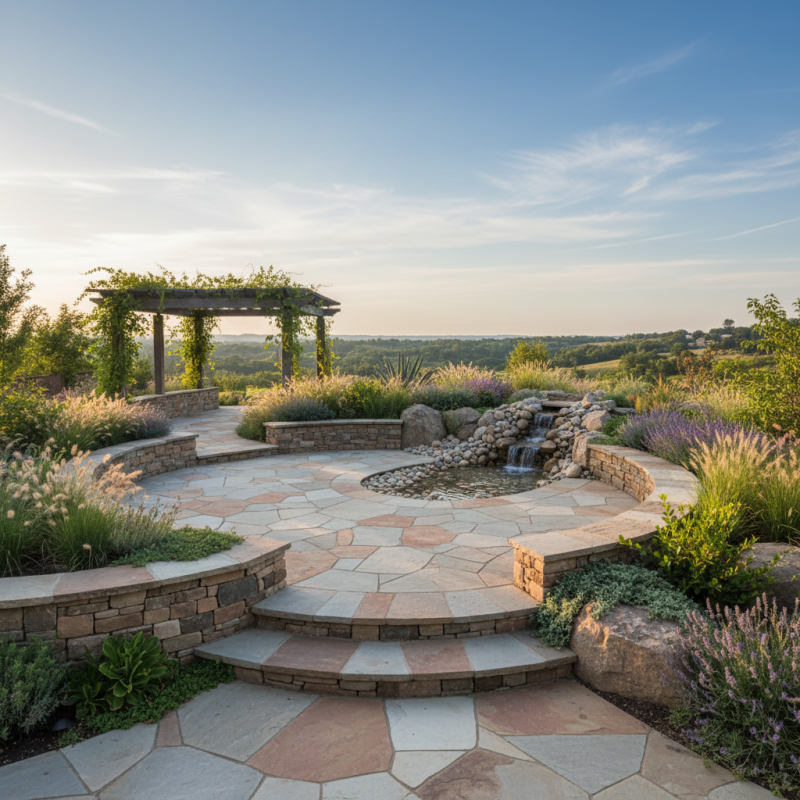
Stone landscaping brings a unique charm to outdoor spaces. It merges natural beauty with functional design. The aesthetic appeal of stone lies in its texture, variety, and timelessness. Using stone, you create pathways, walls, and features that harmonize with nature. These elements provide a rustic elegance that enhances any garden or yard.
To maximize your stone landscaping, consider the surroundings. Choose stones that complement your existing plants and architecture. Dark stones may create contrast against light surfaces. Lighter stones can brighten up shaded areas. Mix textures and sizes for visual interest. Imagine a winding path punctuated by different stone types. It invites exploration and adds depth to your project.
Remember, maintenance is essential. While stone is durable, regular cleaning improves aesthetics. Inquire about the best techniques for your stone type. Some stones may require sealing. Evaluate the weather conditions in your area; moisture can affect stone longevity. Pay attention to these details. They will help ensure your outdoor space remains beautiful and functional for years to come.
Exploring Durability and Longevity of Stone Materials
Stone landscaping offers remarkable durability and longevity, making it an ideal choice for outdoor projects in 2026. According to the National Association of Home Builders, stone materials can last over 100 years with minimal maintenance. This long lifespan is primarily due to their resistance to weathering and erosion. Unlike wood or synthetic materials, stone does not warp or become brittle over time.
Moreover, recent studies from the American Society of Landscape Architects suggest that stone landscaping can withstand extreme weather conditions better than other materials. It can endure harsh winters and intense heat without significant wear. Many homeowners reflect on their choices after a few years. Some materials require frequent repairs, leading to frustration. In contrast, stone surfaces, such as patios or pathways, maintain their integrity.
However, not all stones are created equal. Some types can stain or chip more easily than others. It's essential for homeowners to research the best options for their specific climate and usage. Engaging with local landscaping experts can provide valuable insights into suitable stone types. As you think about your outdoor projects, consider how stone can bring lasting beauty and practical benefits to your landscape.
Benefits of Stone Landscaping for Your 2026 Outdoor Projects
| Benefit |
Description |
Durability Rating (1-10) |
Longevity (Years) |
| Aesthetic Appeal |
Stone offers a natural and elegant look that enhances outdoor spaces. |
9 |
50+ |
| Weather Resistance |
Stone withstands extreme weather conditions without damage. |
10 |
50+ |
| Low Maintenance |
Requires minimal upkeep compared to other materials. |
8 |
30+ |
| Versatility |
Can be used for various landscaping features like patios and walls. |
9 |
25+ |
| Environmental Benefits |
Natural stone is sustainable and can blend into the environment. |
9 |
Indefinite |
Environmental Benefits of Using Stone in Outdoor Design
Using stone in outdoor landscaping offers significant environmental benefits. Natural stone is durable and requires little maintenance. This longevity reduces the need for frequent replacements, which can deplete resources. According to industry reports, stone can last for decades, reducing waste. Moreover, stone is often sourced locally, which decreases transportation emissions.
Stone also has excellent thermal properties. It helps regulate temperature in outdoor spaces. This can reduce the need for excessive artificial heating or cooling, promoting energy efficiency. Reports indicate that using stone can lower energy consumption by up to 30%.
Additionally, stone pavements aid in water management. They allow rainwater to permeate, helping recharge groundwater. However, some projects overlook drainage planning, leading to potential flooding issues. It's essential to balance aesthetics and functionality. Incorporating stone thoughtfully can transform landscapes while safeguarding the environment.
Benefits of Stone Landscaping for Your 2026 Outdoor Projects
This chart illustrates the various benefits of stone landscaping for outdoor projects planned for 2026. The data highlights aspects such as durability, aesthetic appeal, environmental impact, maintenance needs, and cost-effectiveness, demonstrating why stone is a preferred material in outdoor design.
Cost-Effectiveness of Stone Landscaping Over Time
Stone landscaping offers significant cost-effectiveness for outdoor projects in 2026. Unlike other materials, stone is durable and requires minimal upkeep. Once installed, it withstands various weather conditions well. This long-lasting quality reduces replacement costs, making it a wise investment for homeowners.
Over time, maintenance expenses drop noticeably. Natural stones like granite and slate don't fade or deteriorate easily. They maintain their aesthetic appeal without frequent refinishing or repainting. Although the initial costs may be higher compared to wood or synthetic materials, the longevity compensates. You’ll save money in the long run.
Yet, one must consider installation costs. Hiring professionals may add to the budget initially, but quality work pays off. Poor installation can lead to problems, resulting in extra costs. Reflecting on the project’s planning stage is crucial. Ensuring proper drainage and layout will maximize the stone's benefits for years.
Enhancing Property Value with Stone Features in Gardens
Incorporating stone features in your garden can significantly enhance its appeal and value. Natural stones provide a timeless aesthetic. They complement landscaping with durability and texture. A well-designed stone pathway or retaining wall can create focal points in your outdoor space. These elements attract potential buyers who appreciate unique landscaping.
To maximize property value, consider the following tips. Use local stones to create a sense of harmony with the environment. Mix various sizes and shapes for visual interest. Incorporate stone benches or fire pits for inviting gathering spaces. Maintenance is crucial; clean and repair stone features regularly to maintain their appeal.
Remember, quality matters. Invest in solid materials to avoid frequent replacements. Experiment with different layouts but be mindful of the overall flow of the garden. Stone features should enhance, not overwhelm. Balancing aesthetics with functionality is key in landscaping. Consider how each element serves your space and its future potential.
FAQS
: Stone landscaping creates a unique charm by merging natural beauty with functional design.
Stones offer texture, variety, and timelessness, enhancing the appeal of any garden or yard.
Consider the surroundings, existing plants, and architecture. Choose stones that create harmony within the space.
Mix different types, sizes, and textures of stones. A winding path adds depth and invites exploration.
Regular cleaning and repair enhance aesthetics. It helps maintain the durability and beauty of stone elements.
Weather conditions, moisture levels, and the stone type all influence its longevity in outdoor spaces.
Attractive stone pathways or walls create focal points, appealing to potential buyers with unique landscaping.
Yes, investing in solid materials prevents frequent replacements, ensuring long-term durability and appeal.
Balance aesthetics with functionality. Each element should enhance the space without overwhelming it.
Yes, incorporating stone benches or fire pits can create inviting areas for gatherings and social interaction.
Conclusion
Stone landscaping offers numerous advantages for outdoor projects planned for 2026. First and foremost, what are the benefits of stone landscaping? It provides significant aesthetic appeal, enhancing the visual charm of gardens and outdoor spaces. Stone materials are known for their durability and longevity, ensuring that they can withstand various weather conditions without significant wear, making them a wise long-term investment.
Moreover, stone landscaping contributes to environmental sustainability by reducing water usage and offering natural habitat support. From a financial perspective, while the initial costs may be higher, stone features prove cost-effective over time due to their minimal maintenance requirements and resilience. Ultimately, incorporating stone elements can also enhance property value, making it an attractive option for homeowners looking to elevate their outdoor spaces in a sustainable and stylish manner.

 Tranquix Stone