When considering kitchen renovations, many homeowners ponder if stone countertops are a wise choice. Industry expert Michael P. Smith, a renowned interior designer, asserts, “Investing in quality materials enhances not just your home, but its value.” This raises the pivotal question: is stone countertop worth the investment?
Stone countertops offer longevity and durability that few materials can match. Their resistance to heat, scratches, and stains makes them ideal for busy kitchens. Moreover, the timeless elegance of granite, quartz, or marble appeals to many buyers. However, the initial cost can be daunting. While stone options may be pricier upfront, they potentially save money in the long run due to their durability.
Yet, potential buyers must weigh more than just aesthetics and longevity. Maintenance is crucial. Some stones require sealing and specific cleaning products, which may complicate daily life. The emotional investment in a stone countertop should not be overlooked either. Homeowners often feel a sense of pride in their choice, enriching their culinary experiences. Balancing these factors is essential. Ultimately, each homeowner must reflect on whether the investment aligns with their lifestyle and aspirations.
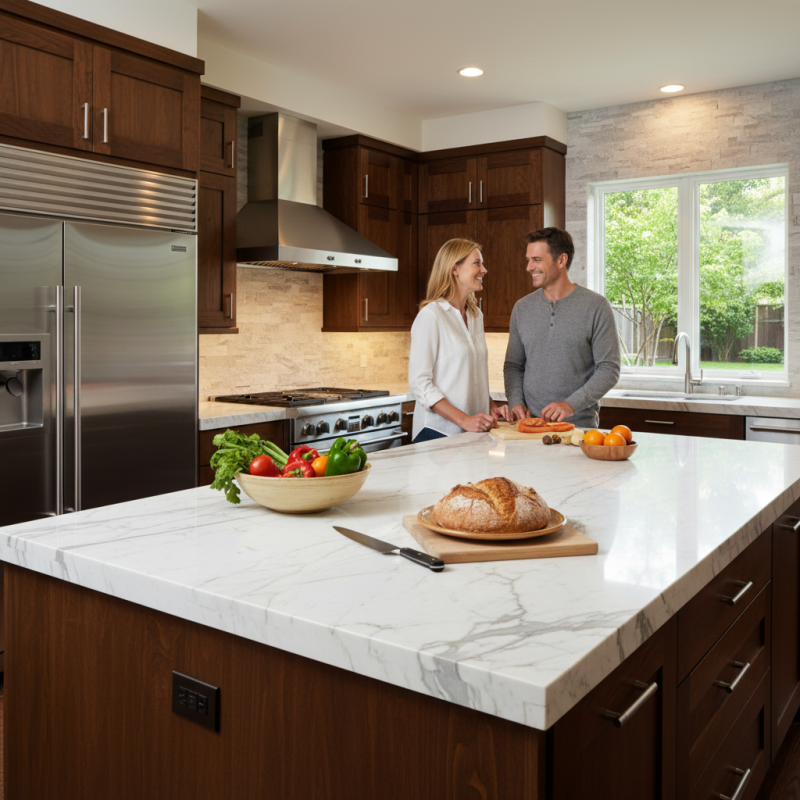
Benefits of Stone Countertops in Home Design
Stone countertops have become a popular choice in home design. Their natural beauty and durability make them an attractive option for many homeowners. Stone materials, such as granite and marble, can enhance the aesthetic appeal of your kitchen or bathroom. They provide a timeless look that can blend with various design styles, from modern to rustic.
Tips to consider include maintaining the surface regularly. Stone can absorb stains, so proper sealing is essential. Use a pH-balanced cleaner for daily cleaning to protect the stone's integrity. Another aspect to think about is the weight of stone countertops. Ensure your cabinets can support the heavier material. A professional assessment might be necessary before installation.
Choosing stone also requires reflection on its lifespan. Though stone countertops are durable, they can chip or crack over time. It’s important to handle heavy pots and pans with care. Think about your lifestyle. If you frequently host gatherings, the stone will be tested more vigorously. This insight can influence your decision.
Costs and Budget Considerations for Stone Countertops
When considering stone countertops, costs are a key factor. High-quality stone options, such as granite or quartz, typically range from
$50 to $200 per square foot, depending on the material and the complexity of installation. According to the National Association of Home Builders, homeowners can expect
an average total cost of around $3,000 to $5,000 for a full kitchen installation. This figure may rise if custom fabrications are required.
Budgeting for stone countertops involves understanding both material and installation costs. While the initial investment may seem steep, stone surfaces can increase a home's resale value by about
10%, as reported by Remodeling Magazine. Think about long-term benefits. Maintenance costs for stone are usually lower than for other surfaces,
making them cost-effective over time.
Tip: Always compare multiple quotes. Prices from different suppliers can vary significantly.
Tip: Consider the total cost of ownership, not just the initial price. Assess how durability will impact future expenses.
Choosing stone is rewarding, but reflection on hidden costs is essential, such as upkeep and repair. Evaluate dealers carefully for expertise and reliability.
Durability and Maintenance of Stone Countertops
Stone countertops are renowned for their durability. Most granite surfaces can withstand heat, scratches, and even chipping better than synthetic materials. According to the Natural Stone Institute, proper care can extend the life of these countertops by decades. They can last up to 30 years or more when maintained correctly. However, they are not impervious to damage. Sealing is required regularly to prevent stains from acidic substances. Neglecting this can lead to discoloration.
Maintenance is another critical aspect. Regular cleaning with pH-balanced cleaners is essential. This prevents soap scum or residue buildup. Over time, this could affect the countertop's appearance. While stone is resilient, it does require a commitment to maintenance. Buyers should weigh the time and effort against the allure of low-maintenance alternatives.
From an investment perspective, stone countertops often enhance home value. A report by Remodeling Magazine indicates that homeowners can recoup about 70-80% of their initial investment. However, the costs can be higher than other materials. Homeowners should consider their lifestyle and cooking habits before deciding. A stone countertop can be a smart choice, but it comes with responsibilities.
Durability and Maintenance of Stone Countertops
This chart shows the durability ratings on a scale of 1 to 10 for various types of stone countertops. Generally, granite is the most durable, followed by quartz and soapstone, while limestone tends to be less durable.
Comparing Stone Countertops with Other Materials
When considering a stone countertop, homeowners often weigh its advantages against other materials. Stone, such as granite or marble, provides a unique aesthetic appeal. Its natural variations and colors can enhance any kitchen or bathroom. The durability of stone makes it resistant to scratches, heat, and stains, which is crucial for high-use areas. These countertops can last a lifetime, adding to their long-term value.
However, comparing stone to alternatives like laminate or quartz reveals some trade-offs. Laminate countertops offer affordability but lack the elegance and durability of stone. Quartz provides a similar look to stone but may not withstand high temperatures as well. Additionally, stone requires periodic sealing, which some homeowners might overlook. This maintenance can lead to issues if not addressed.
Stone countertops can also be heavier, requiring a reinforced installation. This can add to labor costs, potentially making them less accessible for some. It's essential to consider your kitchen's layout and the weight-bearing capacity of your cabinets. In contrast, lighter materials like solid surface may be easier to manage. Each option has its pros and cons, requiring careful thought before making a final decision.
Resale Value Impact of Installing Stone Countertops
Installing stone countertops can significantly impact your home's resale value. Homebuyers often appreciate the elegance and durability of these materials. Granite, quartz, and marble are popular choices. They reflect quality and taste, enhancing the overall appeal of your kitchen or bathroom.
However, not all stone countertops guarantee a high return on investment. The initial costs can be steep. This investment may not always pay off in a quick sale or an increase in property price. Buyers might prefer other features over countertops. For instance, updated appliances or energy-efficient windows could take precedence.
It's crucial to consider your local market trends. In some areas, stone countertops can provide a solid return. In others, they might not have the same allure. Analyzing neighborhood preferences can reveal whether the investment aligns with buyer expectations. Balancing personal taste and market demand is key.
Is Stone Countertop a Smart Investment for Your Home? - Resale Value Impact of Installing Stone Countertops
| Material Type |
Initial Cost (per sq. ft.) |
Average Resale Value Increase |
Durability (Years) |
Maintenance Level |
| Granite |
$50 |
80% |
15-20 |
Low |
| Marble |
$60 |
70% |
10-15 |
Medium |
| Quartz |
$70 |
75% |
25+ |
Low |
| Soapstone |
$65 |
65% |
20+ |
Low |
| Limestone |
$40 |
60% |
10-15 |
High |
FAQS
: High-quality stone options range from $50 to $200 per square foot, depending on material and installation complexity.
Yes, stone surfaces can increase a home's resale value by about 10% over time.
Beyond initial expenses, consider maintenance and repair costs associated with stone upkeep.
Stone offers durability and aesthetic appeal, while laminate is cheaper but less elegant. Quartz looks similar but might not handle heat as well.
Yes, stone countertops need periodic sealing, which is necessary to prevent issues.
Yes, while they add appeal, buyers may prioritize updated appliances over countertops in some markets.
Yes, stone countertops are heavier and may require reinforced cabinetry, adding to labor costs.
Absolutely, as prices can vary widely among suppliers, making careful comparison essential.
Assess the dealer's expertise and reliability, as this influences your overall satisfaction.
Yes, weigh the benefits of durability and aesthetics against the potential for higher initial costs and maintenance.
Conclusion
When considering if stone countertops are worth the investment, it is essential to evaluate several key factors. First, the benefits of stone countertops in home design are significant, offering aesthetic appeal and a timeless quality that enhances any kitchen or bathroom. They are also durable and require relatively low maintenance compared to other materials, making them a practical choice for homeowners.
However, costs and budget considerations play a crucial role in the decision-making process. While stone countertops can be a more expensive upfront investment, their longevity often offsets the initial price. Additionally, comparing stone countertops with other materials shows that they typically offer better durability and a higher resale value, making them a smart choice for those looking to increase their home's worth. Ultimately, if you are pondering, "is stone countertop worth the investment," the combination of their benefits, durability, and positive impact on resale value makes them an appealing option for many homeowners.

 Tranquix Stone