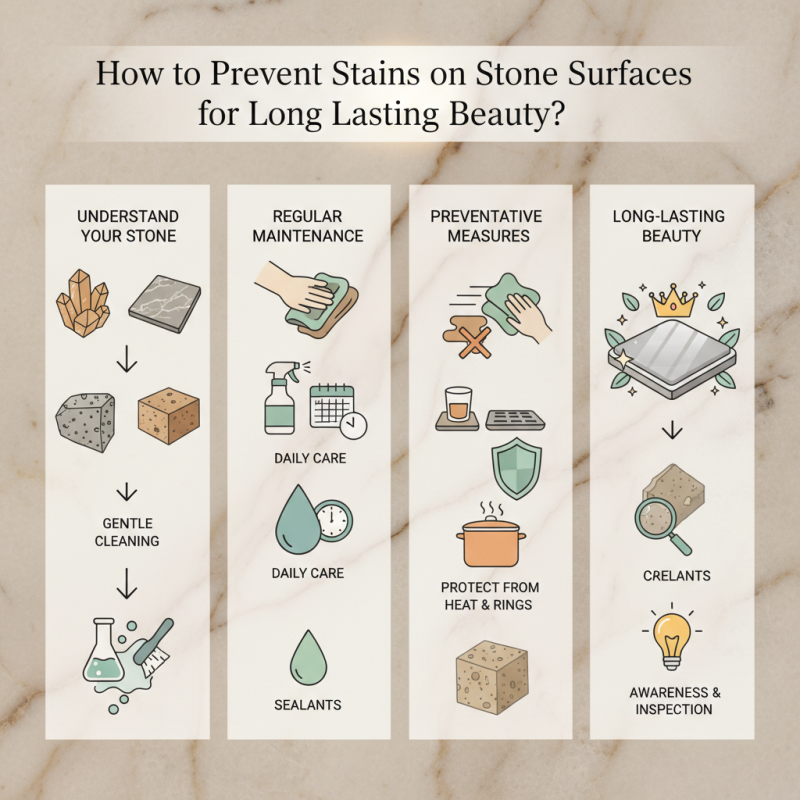
Maintaining the beauty of stone surfaces is a challenge many homeowners face. Given their natural elegance, it's essential to know how to prevent stains on stone surfaces effectively. Stains can mar the appearance of countertops, floors, and walls, leading to costly repairs.
Understanding the nature of different stones is crucial. Each type has unique properties and vulnerabilities. Regular cleaning with appropriate products can extend the life of your stone surfaces. A gentle approach often yields the best results. Too much scrubbing or harsh chemicals can lead to dull finishes or damage.
Preventative measures go beyond cleaning. Sealants can provide an extra layer of defense against spills. It's important to choose the right sealant for your specific stone. While these solutions can help, they are not foolproof. Regular maintenance and awareness are key to preserving the long-lasting beauty of stone surfaces.
Understanding the Vulnerability of Stone Surfaces to Stains
Stone surfaces are beautiful but vulnerable. They can easily absorb liquids and stains. Any spill, whether it's wine, oil, or coffee, leaves a mark. These stains can be tough to remove. Understanding how these materials react to different substances is crucial.
Certain stones, like marble and limestone, are more porous. This means they absorb stains deeply and quickly. Granite is more resistant, but it’s not invincible. Regular sealing can help protect these surfaces, but it’s not a foolproof solution. Over time, seals can wear off, making stones susceptible again.
Cleaning methods matter too. Using harsh chemicals can damage the stone's surface. A mild soap and water solution is often the safest. Frequent maintenance is essential, but it’s not always easy. Neglecting minor spills can lead to long-term damage. Awareness and prompt action can help maintain beauty.
Selecting the Right Sealant for Stone Surface Protection
Choosing the right sealant for stone surfaces is crucial. A good sealant protects against stains and enhances the overall beauty of the stone. There are various options available, each serving different needs. Some sealants are water-based, while others are solvent-based. Understanding these differences is key to making an informed choice.
Water-based sealants are often easier to apply. They emit fewer fumes and are more eco-friendly. Solvent-based options typically offer stronger protection. They penetrate deeper into the stone, providing long-lasting coverage. Consider the type of stone and its natural porosity when selecting. Testing a small area can help determine compatibility.
Application techniques also matter. It's vital to clean the surface thoroughly before application. Any residue can affect sealant performance. Additionally, consider maintaining the sealant after application. Regular reapplication may be necessary, especially in high-traffic areas. Evaluating the effectiveness of your chosen sealant can lead to better decisions in the future.
Effective Cleaning Techniques for Stone Surfaces
Stone surfaces are beautiful but can be prone to stains. Proper cleaning techniques play a crucial role in preserving their beauty. According to the Stone Conservation Institute, improper maintenance can lead to irreversible damage, reducing the lifespan of your investment. Regular cleaning and attention to detail are vital.
Using a pH-neutral cleaner is essential for maintaining stone surfaces. Harsh chemicals can strip the natural finish. A solution made of warm water and a mild detergent works wonders. Make sure to use a soft cloth or sponge to avoid scratches. Rinse thoroughly and dry to prevent water spots.
Tip: For daily maintenance, consider sweeping or dusting to remove debris. This helps prevent scratches and dirt buildup.
Another important aspect is the immediate treatment of spills. Natural stone absorbs liquids quickly. Wipe up spills immediately to minimize the chance of stains. Citrus juices, red wine, and oils are particularly harmful. Implementing a sealing routine every few years can add a layer of protection.
Tip: Test the sealer on a small area first. Not all stones react the same way, and some may require special care.
Remember, even with diligent care, some stains may occur over time. It's essential to be patient and reflective in your cleaning routine, as imperfections may arise. Fine-tuning your approach based on specific stone types can ensure long-lasting beauty.
Routine Maintenance Practices to Preserve Stone Beauty
Maintaining the beauty of stone surfaces is vital for their longevity. Regular care can significantly reduce stains and damage. According to a study, proper maintenance can extend the life of stone by up to 50%. Daily cleaning plays a crucial role in this process. Use a soft cloth and mild soap solution to wipe surfaces. Avoid harsh chemicals that can strip the natural finish.
Tip: Always blot spills immediately. This simple action prevents deep penetration of stains. For high-traffic areas, consider using coasters, mats, or rugs to protect the surface.
In addition, sealing stone surfaces every few years can dramatically enhance durability. A well-sealed surface is less porous and resistant to staining. The Stone Care Industry Association recommends applying a quality penetrating sealer. Regular inspections are essential. Look for signs of wear or damage. Immediate action can save you from costly repairs later.
Tip: Re-evaluate your cleaning routines periodically. What worked years ago may not suit today’s needs. Reflect on the condition of your stones and adjust accordingly to maintain their beauty.
How to Prevent Stains on Stone Surfaces for Long Lasting Beauty? - Routine Maintenance Practices to Preserve Stone Beauty
| Maintenance Practice |
Frequency |
Recommended Products |
Notes |
| Regular Dusting |
Weekly |
Microfiber Cloth |
Prevents dust build-up that can cause scratches. |
| Spot Cleaning |
As Needed |
Stone Safe Cleaner |
Address spills immediately to avoid staining. |
| Deep Cleaning |
Monthly |
pH Balanced Cleaner |
Ensures thorough dirt and grease removal. |
| Sealing |
Every 6-12 Months |
Stone Sealant |
Protects surface from water and oil absorption. |
| Polishing |
As Needed |
Stone Polish |
Restores the shine and enhances the beauty of stone. |
Tips for Quickly Addressing Stains on Stone Surfaces
Stains on stone surfaces can spoil their natural beauty.
Quick action is essential for effective cleaning.
According to the Stone Industries Council, nearly 50% of stone damage comes from improper care.
When a stain occurs, immediate response often makes the difference.
For organic stains from food and drink, absorb the spill with a paper towel right away.
Avoid scrubbing, which can worsen the stain. Instead, use a gentle blotting motion.
A poultice made from baking soda and water can help draw out stubborn stains.
Leave it on the stain for several hours, and then rinse.
In the case of oil-based stains, consider using mineral spirits.
Apply it with a clean cloth for better absorption.
These approaches are effective yet might not yield perfect results.
Sometimes, a stain may linger, forcing you to reassess your cleaning methods.
The key is consistency and patience, ensuring you follow up with regular maintenance.
FAQS
: Consider the type of stone and its porosity. Water-based and solvent-based options serve different needs.
Water-based sealants are easier to apply and eco-friendly. Solvent-based ones provide stronger, deeper protection.
Use a pH-neutral cleaner. Warm water mixed with mild detergent works well too.
Wipe up spills immediately. Natural stone absorbs liquids quickly, increasing the risk of stains.
Improper maintenance can lead to irreversible damage. Regular cleaning preserves beauty and longevity.
Use a soft cloth or sponge. Harsh scrubbers can scratch the stone's surface.
Reapplication may be necessary every few years, especially in high-traffic areas.
Stains might occur over time. Reflect on your cleaning routine to improve your approach.
Always test the sealant on a small area. Different stones react differently, and some may need special care.
Regular sweeping or dusting helps remove debris. This prevents scratches and buildup over time.
Conclusion
To maintain the beauty of stone surfaces, understanding their susceptibility to stains is crucial. Stone materials, being porous, can easily absorb spills if not properly protected. Learning how to prevent stains on stone surfaces begins with selecting the right sealant, which acts as a barrier against liquid penetration. Regular cleaning using gentle methods will also help mitigate stain formation and maintain the surface's luster.
In addition, implementing routine maintenance practices, such as resealing and using appropriate cleaning products, can significantly extend the life of stone surfaces. For quick response to unforeseen stains, immediate action is essential; blotting and using suitable stain removal techniques can prevent lasting damage. By following these guidelines, one can ensure that stone surfaces retain their beauty for years to come.

 Tranquix Stone