Maintaining outdoor stone surfaces is essential for their longevity and beauty. Many homeowners overlook this critical aspect of home care. Knowing how to maintain outdoor stone surfaces can significantly impact their appearance and durability. Weather, foot traffic, and environmental factors pose challenges to stone surfaces. Proper maintenance ensures they withstand these elements over time.
Regular cleaning is one of the main tasks involved in stone surface upkeep. Use a gentle cleaner to prevent damage. Additionally, sealing stones protects against stains and moisture. However, not all sealants are created equal. It's crucial to choose one that suits your specific stone type. Over-sealing can also create problems, leading to a cloudy appearance.
You might encounter unexpected challenges during maintenance. For instance, stubborn stains can require specialized treatment. It's vital to stay informed and adapt your care methods. Remember, outdoor stone surfaces need attention and reflection on their condition. By continually learning how to maintain outdoor stone surfaces, you ensure they remain a beautiful feature of your home.
Choosing the Right Stone for Outdoor Surfaces
Choosing the right stone for outdoor surfaces is crucial for both aesthetics and durability. Natural stones like granite, marble, and slate are popular choices. Each has unique characteristics and benefits. Granite is strong and weather-resistant. It can withstand harsh conditions without extensive maintenance. Slate, on the other hand, has a beautiful finish. Yet, it can be susceptible to chipping if not handled carefully.
Consider the climate in your area when selecting stone. In regions with heavy rainfall, porous stones might absorb water and crack in freezing temperatures. This could lead to costly repairs. Furthermore, the color and texture of the stone should complement the surrounding landscape. Choosing a color that fades over time can affect the overall look of your outdoor space. It’s vital to visualize how the stone will age.
Before purchase, consult with experts or experienced installers. They can provide insights into longevity and maintenance needs. Understanding the potential limitations of each stone type is essential. Some stones may require sealants or special cleaning methods. Always weigh the pros and cons before making a decision. This thoughtful approach ensures you choose the best surface for your outdoor setting.
How to Properly Maintain Outdoor Stone Surfaces for Longevity? - Choosing the Right Stone for Outdoor Surfaces
| Stone Type |
Durability |
Maintenance Frequency |
Ideal Applications |
Cost per Square Foot |
| Granite |
High |
Every 2-3 years |
Patios, walkways |
$10 - $15 |
| Limestone |
Moderate |
Every year |
Driveways, pool decks |
$5 - $10 |
| Slate |
High |
Every 2 years |
Roofs, walkways |
$7 - $12 |
| Sandstone |
Low to Moderate |
Every 6 months |
Walkways, garden paths |
$4 - $9 |
Understanding Common Outdoor Stone Issues
Outdoor stone surfaces enhance the beauty of gardens and patios but face various challenges. Common issues include stains, moss growth, and cracking. Stains often arise from spilled substances, leaving unsightly marks. Moss thrives in damp conditions, making stones slippery and unsafe. Cracks can occur due to weather changes or improper installation, leading to further damage if ignored.
Proper inspection is essential to address these issues. Regularly check for stains and treat them promptly. Use mild, eco-friendly cleaners to maintain the surface's integrity. For moss, a broom or pressure washer can help remove it. Cracks require immediate attention, as they can worsen over time. Filling them with appropriate sealants can restore the surface and prevent water damage.
Not every solution works seamlessly. Some cleaners may cause discoloration, while aggressive washing can damage delicate stones. Thus, experimentation and observation are crucial. Understanding the characteristics of your specific stone type will guide effective maintenance. Balancing aesthetics and functionality may take time, but investing effort in maintenance will prolong the life of your outdoor stone surfaces.
Outdoor Stone Surface Maintenance Issues
Essential Cleaning Techniques for Stone Surfaces
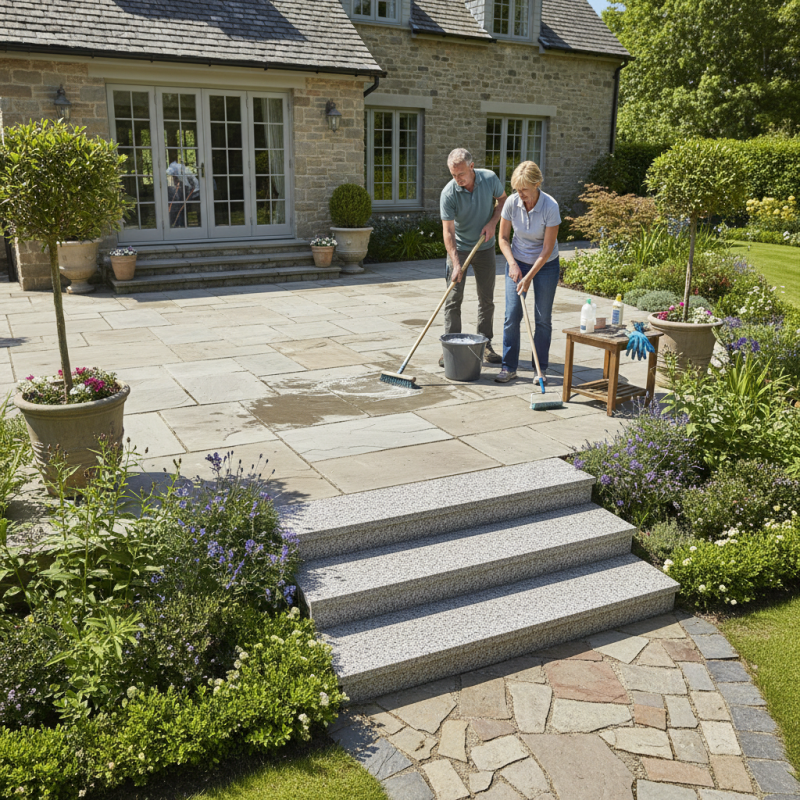
Outdoor stone surfaces require regular cleaning to maintain their beauty and durability. Start by sweeping away debris with a broom. This simple action prevents dirt from accumulating. Use a pressure washer for stubborn stains, but keep the nozzle at least 12 inches away. Too close, and you risk damaging the stone.
For deeper cleaning, a mixture of water and mild detergent works well. Apply it with a soft-bristle brush to avoid scratching. Focus on crevices where dirt hides. Rinse thoroughly after scrubbing. Allow the surface to dry completely. Wet stones can become slippery and attract more grime.
Occasionally, it's important to inspect for signs of wear. Look for cracks or discoloration. These may indicate larger problems. Consider sealing the stone to protect it from weather and stains. Take these steps, and your outdoor stone surfaces will remain inviting for years.
Protective Sealants: When and How to Apply
Protective sealants play a crucial role in maintaining outdoor stone surfaces. They act as a barrier against moisture, stains, and environmental damage. Choosing the right time to apply sealants is vital. Spring or early fall, when the weather is dry, is often ideal for application. Ensure temperatures are mild to promote proper adhesion.
Before applying a sealant, clean the surface thoroughly. Remove dirt, moss, or any debris that may hinder the sealant's effectiveness. Allow the surface to dry completely. This step is often overlooked but is essential for a long-lasting outcome.
Tips: Always follow the manufacturer’s instructions for best results. Test a small area before full application to check compatibility. Stay aware that sealants need periodic reapplication, usually every few years, depending on exposure and wear. Maintaining outdoor stone surfaces isn’t just about beauty; it’s about protecting your investment.
Seasonal Maintenance Tips for Longevity of Stone Surfaces
Outdoor stone surfaces require regular attention to ensure durability. Seasonal maintenance is vital. According to the National Association of Home Builders, proper care can extend the lifespan of stone surfaces by up to 15 years. During spring, check for cracks or chips caused by winter weather. Repairing these issues early can prevent larger problems later.
Summer maintenance involves cleaning stone surfaces to remove dirt and algae. Use a gentle detergent and a soft brush. The Stone Foundation recommends routine cleaning every three months. Apply a sealant in late summer to protect against harsh fall and winter elements. This practice helps maintain the stone's appearance and structural integrity.
In fall, clear debris from the surface. Leaves and twigs can trap moisture and cause stains. Consider using a pressure washer for deep cleaning. Winter brings frost and freezing temperatures, which can damage stone. Ensure that snow and ice are promptly cleared. Despite the best care, stone surfaces may still develop wear. Regular inspections and proactive measures are key to preserving their longevity over time.
FAQS
: Regular cleaning is essential to maintain their beauty and durability.
Start by sweeping with a broom to prevent dirt buildup.
Yes, but keep the nozzle at least 12 inches away to avoid damage.
Use a mixture of water and mild detergent with a soft-bristle brush.
Rinsing prevents residue buildup which can attract more grime.
Look for cracks or discoloration which may indicate larger problems.
Apply sealants in spring or early fall when the weather is dry.
Clean the surface thoroughly and ensure it is completely dry.
Sealants typically need reapplication every few years, depending on wear.
It protects your investment and keeps them looking inviting.
Conclusion
Maintaining outdoor stone surfaces is essential for ensuring their longevity and aesthetic appeal. Understanding how to maintain outdoor stone surfaces starts with selecting the right type of stone, as different materials have varying characteristics and durability. Common issues like staining, weathering, and algae growth can be mitigated through regular inspections and understanding the specific challenges your stone surface may face.
To keep your stone surfaces looking their best, essential cleaning techniques should be employed, including the use of gentle cleaners and proper scrubbing methods. Additionally, applying protective sealants at appropriate intervals can shield stones from moisture and dirt. Seasonal maintenance tips, such as clearing debris and adjusting protective measures based on weather conditions, can further enhance the lifespan of outdoor stone surfaces, ensuring they remain beautiful and functional for years to come.

 Tranquix Stone