How to Maintain Outdoor Stone Surfaces Effectively?

Time:2026-08-10 Author:Amelia
0%

Maintaining outdoor stone surfaces is essential for preserving their beauty and longevity. According to a report by the Natural Stone Institute, proper maintenance can extend the life of these surfaces by up to 30%. However, many homeowners overlook this crucial step, leading to costly repairs and replacements. Understanding how to maintain outdoor stone surfaces can save time and money.

Weather exposure, foot traffic, and environmental factors can cause significant wear. The quality of stone also matters; softer stones are more prone to damage. Regular cleaning with appropriate products is vital. Many people use harsh chemicals that can erode the stone. This approach often requires trial and error to find the right balance.

Investing in professional maintenance services can also be beneficial. Experts recommend routine inspections to identify potential issues early. Neglecting maintenance can lead to serious consequences, including cracks and discoloration. Therefore, knowing how to maintain outdoor stone surfaces is not just an option; it's a necessity for every property owner who values aesthetics and durability.
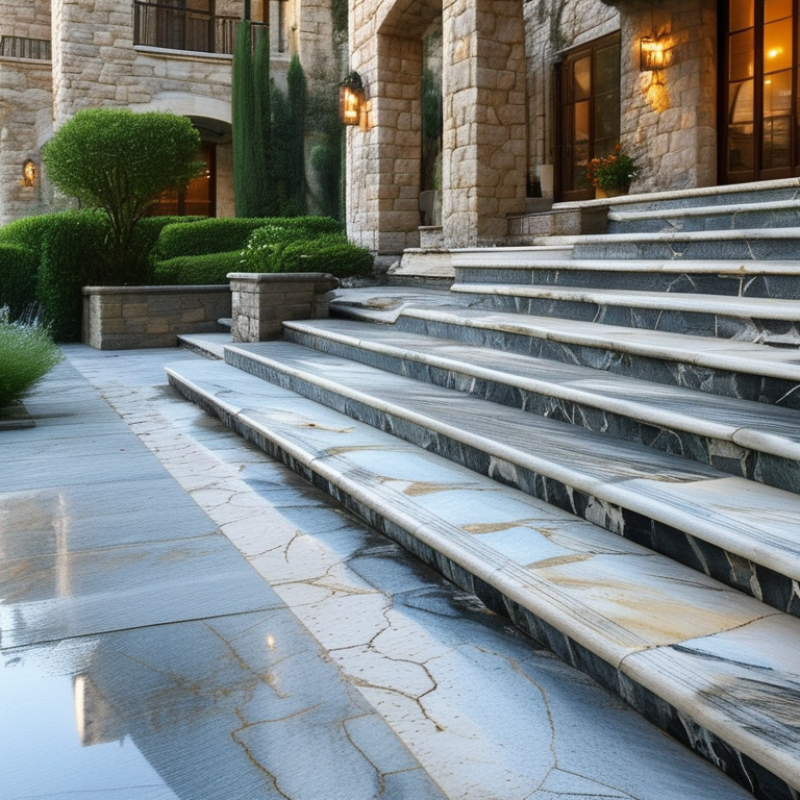
How to Maintain Outdoor Stone Surfaces Effectively?

Understanding Different Types of Outdoor Stone Surfaces and Their Care

Outdoor stone surfaces come in various types, each requiring specific care. Natural stones like granite, limestone, and slate have unique characteristics. Granite is durable and resists staining, but it can be slippery when wet. Limestone offers a softer feel but can be prone to weathering and stains from acidic substances. Understanding these attributes helps tailor your maintenance approach.

Cleaning methods vary by stone type. For granite, use a pH-balanced cleaner and avoid harsh chemicals. They can cloud the surface and strip its shine. Limestone needs gentle scrubbing with water and a mild detergent to prevent damage. Ensure you dry the surfaces properly, as water spots can become a nuisance. Regular sealing for both stones helps resist moisture penetration.

Maintenance is not just about cleaning. Observing the surfaces for cracks or chips is essential. Small issues can escalate into significant repair costs. Avoid heavy furniture that can crack the stone. Imperfections can lead to bigger problems if neglected. Regular inspections and adjustments in care routines based on weather and use can extend the life of your outdoor stone surfaces.

Essential Tools and Products for Maintaining Outdoor Stone Surfaces

Maintaining outdoor stone surfaces requires the right tools and products. Essential cleaning solutions include pH-balanced cleaners. A soft-bristle brush helps remove dirt without scratching. Use a pressure washer with care; it can damage some stone types if used too aggressively.

Invest in quality sealants to protect your surfaces. These create a barrier against stains and moisture. Make sure to reapply regularly for maximum effectiveness. Additionally, a good-quality broom helps keep debris at bay. Regular sweeping prevents moss and algae growth, which can stain your stone.

Tips: Always test new products in a small area first. Rinse thoroughly to avoid residue buildup that can lead to discoloration. After heavy rains, inspect the stones for any signs of damage or wear. Being proactive can save you from bigger maintenance issues down the line.

Step-by-Step Cleaning Procedures for Various Stone Types

Maintaining outdoor stone surfaces is essential for their longevity. Different types of stone require specific cleaning methods. For instance, granite surfaces benefit from a gentle soap and water solution. Use a soft cloth to avoid scratches. Rinse thoroughly to remove any soap residue.

On the other hand, limestone is more porous. It may require a more delicate approach. Utilizing a mixture of water and vinegar can help lift stains, but be cautious. Vinegar can erode the stone if left for too long. Rinse immediately after cleaning. Pouring water on the surface can prevent lingering effects of the acid.

Finally, remember that not all stones react the same way. It’s beneficial to test any cleaning solution on a small area first. This helps assess potential damage. Over time, even the best cleaning practices might not remove all stains. Regular maintenance is key to preserving the beauty of stone surfaces. Each type has its unique quirks, and adapting your strategy reflects your understanding.

Preventive Measures to Protect Stone Surfaces from Weathering and Damage

Maintaining outdoor stone surfaces is essential for longevity. Weathering can cause damage over time, leading to costly repairs. To protect these surfaces, proactive steps are needed.

One effective preventive measure is sealing. A quality sealant helps repel water and prevent stains. Regularly inspect the stone for cracks. If found, repair them immediately to prevent further damage.

Tips:
- Clean stone surfaces with a mild detergent.
- Use a soft brush to avoid scratching the surface.
- Avoid harsh chemicals that can erode the stone.

Another key aspect is landscaping. Ensure water drains away from stone areas. This reduces the risk of water pooling, which can lead to erosion. Additionally, keep plants trimmed to prevent roots from damaging the stone.

Reflection: Even with care, stone surfaces may still show wear. Regular maintenance is crucial, and sometimes repairs will be necessary. Stay vigilant about the condition of your stone surfaces to extend their life.

Outdoor Stone Surface Maintenance Effectiveness

Long-Term Care Strategies: Sealants and Regular Maintenance Routines

To maintain outdoor stone surfaces, sealants play a critical role. Selecting the right sealant is vital for longevity. There are different types, such as penetrating and topical sealants. Each has its strengths and weaknesses. For example, penetrating sealants offer protection by soaking into the stone. They are less visible but may need reapplication sooner than expected. Topical sealants are easier to apply and provide a shiny finish, but they can wear down quickly under heavy use.

Establishing a regular maintenance routine is essential. This routine should include cleaning and inspecting the surfaces for damage. Use a soft-bristle broom or a hose to remove dirt and debris. Avoid harsh chemicals that could harm the stone. Instead, consider using a pH-neutral cleaner. Frequent inspections can catch minor issues before they escalate. Remember, maintaining outdoor stone surfaces is an ongoing process. The weather can take its toll over time, leading to unexpected wear. Being proactive can save time and money in the long run.

FAQS

: What types of outdoor stone surfaces exist?

: Outdoor stone surfaces include natural stones like granite, limestone, and slate, each with distinct characteristics.

How should I clean granite stone surfaces?

Clean granite with a pH-balanced cleaner. Avoid harsh chemicals that can dull the surface.

What cleaning method works best for limestone?

Use gentle scrubbing with water and mild detergent. Ensure the surface dries properly to prevent water spots.

How often should I seal my outdoor stone surfaces?

Regular sealing is essential. It helps resist moisture and stains, so reapply as recommended for best results.

Why is it crucial to inspect stone surfaces regularly?

Regular inspections help identify cracks or chips that can become costly repairs if neglected.

What should I avoid placing on my stone surfaces?

Avoid heavy furniture. It can crack the stone and lead to bigger issues over time.

How can landscaping affect outdoor stone surfaces?

Proper landscaping ensures water drains away. This reduces the risk of erosion and protects stone integrity.

Can I use a pressure washer on all stone types?

Use a pressure washer carefully. Some stone types may get damaged if the pressure is too high.

What should I do after heavy rains?

Inspect your stone surfaces for any signs of damage or wear following heavy rains to catch issues early.

How can I prevent moss and algae growth on stone?

Regular sweeping helps keep debris away. This prevents moss and algae from staining your stone surfaces.

Conclusion

Maintaining outdoor stone surfaces is essential for their longevity and aesthetic appeal. To effectively learn how to maintain outdoor stone surfaces, one must first understand the different types of stones and their specific care requirements. Essential tools and products include brushes, brooms, and appropriate cleaning solutions tailored for various stone types.

A comprehensive cleaning routine involves step-by-step procedures to remove dirt and stains while preserving the stone's integrity. Additionally, implementing preventive measures such as sealing the surfaces and establishing regular maintenance routines can protect against weathering and damage. Long-term care strategies, including the use of sealants, are crucial for sustaining the beauty and durability of outdoor stone surfaces over time.

Amelia

Amelia

Amelia is a seasoned marketing professional with a wealth of expertise in our company’s core offerings. With an unwavering passion for driving growth and innovation, she plays a pivotal role in shaping our marketing strategies and enhancing brand visibility. A key aspect of her responsibilities......