As the demand for durable and aesthetically pleasing materials grows, many homeowners and builders are asking, "what is the lifespan of stone surfaces?" This question reflects a broader interest in longevity and sustainability. Stone surfaces, ranging from granite countertops to marble floors, have long been valued for their strength and timeless beauty. However, not all stone is created equal.
In 2026, advances in technology may improve both the durability and maintenance of these surfaces. Different types of stone exhibit varying lifespans due to their composition. For example, some soft stones can wear down quickly under daily use, while others may last a lifetime. Factors such as environmental conditions, usage patterns, and maintenance routines can also significantly impact longevity.
Beyond just aesthetics, the long-term implications of stone surface choice matter. Choosing the right stone surface not only enhances a space but also affects waste and resource management. A well-chosen stone can minimize replacement needs, promoting sustainability. Reflecting on these factors can guide buyers in making informed decisions while weighing beauty against practical longevity.
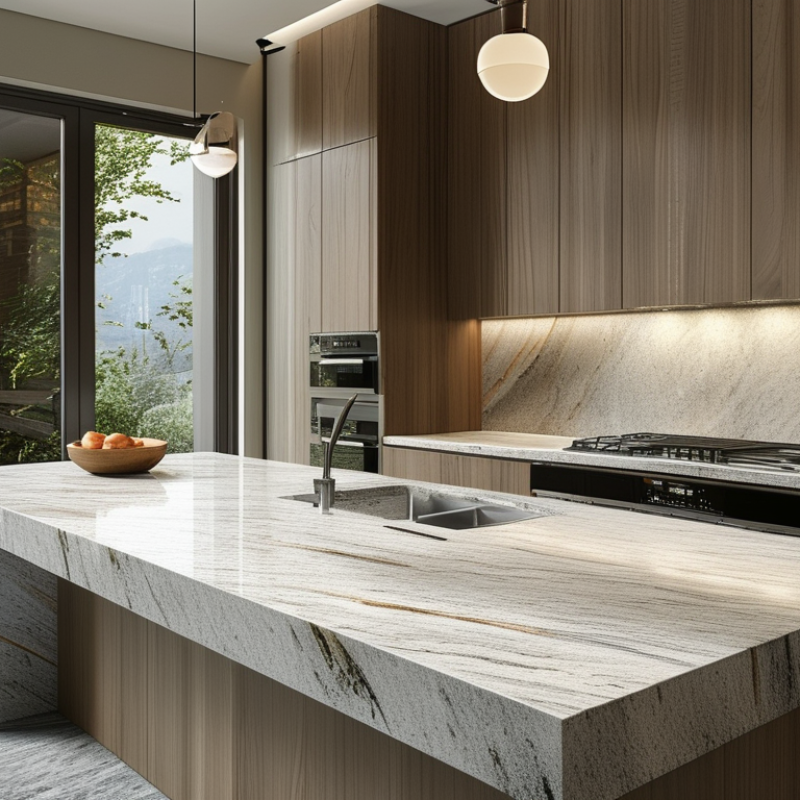
Understanding Stone Surface Lifespan: An Overview
Understanding the lifespan of stone surfaces is crucial for homeowners and builders alike. Many factors affect durability. For instance, the type of stone, installation methods, and environment play significant roles. High-quality granite or marble can last decades. In contrast, softer stones like limestone may wear out more quickly.
Maintaining stone surfaces also impacts longevity. Regular sealing and cleaning can extend their life. However, neglecting maintenance leads to stains and scratches. People often overlook the importance of care. Even the finest stone can fade if treated poorly.
In 2026, experts predict mixed results. New technologies are emerging. They promise extended durability, yet traditional materials remain popular. The choice of stone will involve balancing aesthetics, cost, and maintenance. Reflecting on this can help homeowners make informed decisions.
Factors Influencing the Longevity of Stone Surfaces
The longevity of stone surfaces in 2026 is influenced by various factors. Primary among these are the type of stone and its intended use. Granite, for instance, has an exceptional durability, often lasting over 100 years in residential applications. Marble, while visually appealing, requires more upkeep due to its porous nature. Industry data from the Natural Stone Institute shows that maintenance practices can extend the life of these surfaces significantly.
Environmental conditions also play a crucial role. Exposure to harsh weather, pollution, and UV radiation can degrade stone surfaces. A recent report highlighted that buildings in coastal areas, subject to salt spray, may experience a 30% reduction in lifespan compared to those in a temperate climate. Regular cleaning, sealing, and prompt repair of cracks can counteract some of these negative effects.
Moreover, installation quality cannot be overlooked. Proper techniques are essential for longevity. Uneven surfaces or inadequate sealing can lead to quicker deterioration. Interestingly, many homeowners tend to favor aesthetics over pragmatics, which can be a short-sighted decision. Balancing beauty and durability is key to maximizing the lifespan of stone surfaces.
What is the Lifespan of Stone Surfaces in 2026? - Factors Influencing the Longevity of Stone Surfaces
| Stone Type |
Average Lifespan (Years) |
Maintenance Frequency |
Weather Resistance |
Cost of Replacement ($) |
| Granite |
50-100 |
Every 5-10 years |
High |
2000-5000 |
| Marble |
20-50 |
Every 3-5 years |
Medium |
3000-7000 |
| Limestone |
15-30 |
Every 2-4 years |
Low |
1000-3000 |
| Slate |
50-100 |
Every 5-7 years |
High |
1500-3500 |
Comparative Analysis of Different Types of Stone Materials
Stone materials have been a popular choice for various structures and surfaces due to their inherent durability and aesthetic appeal. In 2026, the lifespan of stone surfaces will continue to vary based on the type of stone used.
Granite, known for its toughness, typically lasts over a hundred years. Its resilience makes it a preferred option for countertops and floors.
Marble, while beautiful, is softer and can exhibit wear more quickly. It may only last a few decades when subjected to heavy foot traffic.
Limestone and slate exhibit different characteristics. Limestone is porous and can stain easily without proper sealing. Its average lifespan might not exceed 50 years in high-use areas.
Slate, on the other hand, is more durable and resistant to weathering. It is often used for roofing and outdoor spaces, with a lifespan that can reach up to 75 years or more. However, the environmental conditions and maintenance practices can influence the longevity of these surfaces greatly.
Understanding these nuances in stone types is essential for homeowners and builders alike. Each material requires specific care and consideration. Regular maintenance can enhance their lifespan, but neglect can lead to significant deterioration. Future trends in stone formation may bring forth enhanced materials, but the current types require dedicated attention to perform at their best.
Maintenance Practices to Enhance Stone Surface Durability
To ensure stone surfaces last in 2026, effective maintenance practices are crucial. Regular cleaning is essential. Dust, dirt, and grime can wear down surfaces. A study by the National Stone Institute notes that regular maintenance can extend the lifespan by up to 30%. Techniques such as pressure washing help remove stubborn stains without causing damage.
Sealing stone surfaces every few years greatly enhances durability. This practice helps prevent water penetration, which can lead to cracking and degradation. A research report from the Marble Institute of America found that properly sealed surfaces can resist moisture-related issues effectively. For instance, choosing the right sealant can make a significant difference. It's important to follow the manufacturer’s recommendations for application frequency and method.
Lastly, monitoring environmental factors is key. Extreme weather can impact stone surfaces. In regions with harsh climates, more frequent maintenance may be necessary. Homeowners in these areas should assess their stone surfaces regularly. Ignoring small issues can lead to larger problems over time. Regular inspections can save time and money in the long run, reinforcing the value of proactive measures.
Lifespan of Stone Surfaces and Maintenance Practices (2026)
This chart illustrates the estimated lifespan of various stone surfaces based on different maintenance practices. Proper maintenance significantly enhances durability and longevity.
Future Innovations in Stone Surface Technology and Lifespan
As we look to 2026, the evolution of stone surface technology promises exciting advancements. Innovations in processing techniques and treatment processes will significantly enhance durability and lifespan. New synthetic coatings will become prevalent, creating a protective barrier against environmental wear and tear. These developments could extend the lifespan of stone surfaces well beyond what we currently know.
Tips: Regular maintenance can dramatically improve the longevity of stone surfaces. Cleaning with pH-neutral solutions may prevent deterioration. Be mindful of heavy objects that can cause chips or cracks.
The future may also see the integration of smart technology. Imagine surfaces that can self-repair minor damages or monitor their own condition. However, this concept raises questions about feasibility and environmental impact. There’s a balance to maintain between innovation and sustainability.
Tips: Always consult professionals for installation and upkeep. They can provide tailored advice based on your specific stone surface type. Overlooking expert guidance could lead to unexpected costs down the line.
FAQS
: The type of stone and its intended use are primary factors influencing longevity.
Granite is highly durable and can last over 100 years, while marble requires more maintenance.
Harsh weather, pollution, and UV radiation can degrade stone surfaces significantly over time.
Coastal areas may see a 30% reduction in lifespan due to salt spray and harsh conditions.
Regular cleaning, sealing, and prompt repairs can significantly extend the life of stone surfaces.
Regular cleaning is essential to prevent dirt and grime from wearing down the surfaces.
Sealing prevents water penetration, reducing the risk of cracking and degradation.
Homeowners should regularly assess environmental factors and the condition of their stone surfaces.
Neglecting small issues can lead to larger, more costly problems over time.
Prioritizing beauty over durability can lead to short-sighted decisions affecting longevity.
Conclusion
The article titled "What is the Lifespan of Stone Surfaces in 2026?" provides an insightful overview of the various factors that influence the longevity of stone surfaces. It discusses how different types of stone materials, such as granite, marble, and limestone, exhibit varying durability levels, impacted by their inherent characteristics and environmental conditions. Additionally, maintenance practices play a crucial role in enhancing the lifespan of these surfaces, emphasizing regular cleaning, sealing, and protection from wear and tear.
Looking towards the future, the article also explores innovations in stone surface technology that may extend longevity and improve performance. By addressing what is the lifespan of stone surfaces, the article highlights the importance of understanding material properties and maintenance routines to ensure these surfaces remain functional and aesthetically pleasing for years to come.

 Tranquix Stone