As we approach 2026, many landscape enthusiasts are curious about what are the latest trends in stone landscaping. This evolving field emphasizes the blend of natural beauty and sustainable design. Stone materials add durability and aesthetic appeal. They create stunning outdoor spaces while minimizing maintenance needs.
Recent trends show a shift towards environmentally friendly options. Reclaimed stone and local materials are gaining popularity. These choices reduce carbon footprints and ensure a unique look. Textured surfaces and mixed materials, like wood and stone, are also on the rise. This combination provides a contemporary feel to traditional designs.
Homeowners increasingly seek personalization in their landscapes. Customized stone pathways and seating areas offer unique touches. They reflect individual preferences and lifestyle needs. However, it’s essential to balance innovation with practicality. Overly ambitious designs may risk losing functionality. Thus, understanding what are the latest trends in stone landscaping involves more than aesthetics; it requires thoughtful planning and execution.
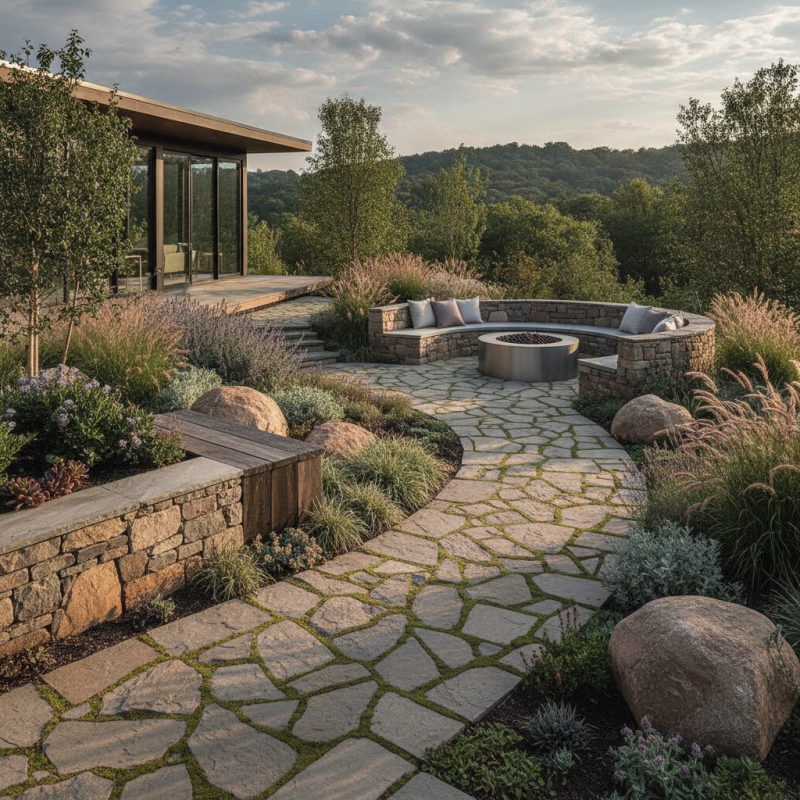
The trend towards sustainable landscaping continues to evolve, especially in stone selection. In 2026, innovations focus on eco-friendly materials. According to a recent report by the Green Building Council, up to 70% of landscaping projects now prioritize sustainability. This shift encourages the use of locally sourced stones. Geologically diverse regions produce unique textures and colors. Sourcing stones from nearby locations minimizes transportation emissions, reinforcing a commitment to environmental health.
Recycled stone products are gaining traction as well. Such materials reduce landfill waste by reusing demolished structures. A study by the Landscape Industry Association indicates that using recycled stones can lower installation costs by as much as 30%. Yet, challenges remain in achieving consistent quality. Not all recycled stones meet durability standards. Homeowners and designers must be vigilant about their sources. Exploring innovative treatments can enhance the lifespan of these materials, making them more appealing for future projects.
Natural stone alternatives like permeable pavers are also trending. They allow water to permeate, addressing drainage concerns while promoting sustainability. However, the market lacks uniform standards for these products, leading to confusion among consumers. Manufacturers must collaborate to establish guidelines. As the industry innovates, education on these developments is vital for professionals and homeowners alike. Engaging with reliable resources can make all the difference in informed stone selection.
The impact of climate change is reshaping stone landscaping trends for 2026. Increased temperatures and erratic weather patterns are altering how landscape designers approach stone materials. A recent report from the American Society of Landscape Architects highlights that 75% of professionals foresee a shift toward more sustainable practices. This includes selecting stones that require less water and maintenance.
Natural stones are increasingly favored due to their durability. As temperatures rise, the need for heat-resistant materials becomes vital. Data from industry surveys reveal that over 60% of landscape designers are opting for reflectively lighter stones. This choice helps manage heat absorption, benefiting plant life and reducing irrigation needs.
Tips: Choose stones that are sourced locally to minimize environmental impact. Consider integrating permeable paving stones to promote better water drainage. Investing in resilient materials can lower long-term costs, despite the initial price tag. Adapting stone choices to address climate resilience is now more critical than ever.
In 2026, stone landscaping is evolving through innovative design aesthetics and techniques. Homeowners increasingly favor natural-looking materials. Reports indicate that over 65% of landscape architects seek sustainable options. Incorporating local stones not only supports eco-friendliness but also enhances texture and color variations in outdoor spaces.
Emerging techniques in stone placement focus on creating fluid, organic shapes rather than rigid lines. This reflects a broader trend towards biophilic design, where spaces resonate with nature. Recent surveys show that 70% of designers implement curved pathways and irregular stone arrangements in their projects. These designs evoke a sense of movement and harmony, fostering a connection to the environment.
Yet, challenges remain. Quality control is crucial when sourcing materials. Inconsistent stone colors and sizes can disrupt design coherence. Reliable suppliers are essential for maintaining visual integrity. As the industry grows, understanding these nuances becomes vital. Landscape professionals are urged to evaluate their sources and stay updated on emerging trends to ensure client satisfaction.
| Trend Category | Description | Design Techniques | Color Palette | Material Innovations |
|---|---|---|---|---|
| Natural Stone Features | Incorporating natural stone elements to enhance outdoor aesthetics. | Layering stones with varying sizes to create depth. | Earthy tones, such as browns and greens. | Recycled and sustainable stone options. |
| Geometric Designs | Utilizing geometric shapes for paving and wall designs. | Using large format stones in patterns like herringbone. | Bold colors such as grays and blacks. | Textures created through technology-enhanced stone finishes. |
| Water Features | Integrating aquatic elements into stone landscaping. | Creating streams or ponds with natural stone edges. | Soft blues and teals to complement the water. | Non-slip stone surfaces for safety around water areas. |
| Fire Pits | Incorporating stone fire pits into gardens and patios. | Using stones to create a circular or square fire enclosure. | Warm tones such as reds and oranges. | Heat-resistant stone materials. |
| Vertical Gardens | Creating stone walls that host plant life. | Integrating pockets for plants within stone structures. | Neutral colors to highlight the greenery. | Moisture-retaining stone materials. |
In 2026, stone landscaping is adopting innovative technologies to enhance outdoor spaces. Smart technology integration is transforming conventional designs. Automated irrigation systems now adjust to weather changes, ensuring optimal water usage. This not only conserves water but also reduces maintenance efforts.
Consider using sensors to monitor soil moisture. This will help maintain healthy plants while minimizing water waste. Exploring LED lighting options for pathways adds ambiance and safety. Smart lights can be programmed for various occasions, adapting to your lifestyle and needs.
Incorporating smartphone apps to control these systems offers convenience. Homeowners can manage settings while away. It's essential to evaluate how technology fits into your landscape design. Striking the right balance between beauty and functionality requires careful thought. Embrace modern solutions while being mindful of nature’s needs.
Investing in stone landscaping offers a unique blend of beauty and function. Recent studies highlight that while initial costs can be significant, the long-term benefits often outweigh these expenses. For instance, a report from the National Association of Landscape Professionals notes that the average cost of natural stone installation ranges from $15 to $30 per square foot. However, this investment yields not only aesthetic appeal but also increases property value by up to 15% over time.
Maintenance costs for stone landscapes are typically lower than other materials. With proper installation, stones can last for decades without significant wear. A study by the American Society of Landscape Architects indicates that investing in durable materials can reduce long-term maintenance costs by more than 20%. This durability reduces the need for frequent replacements, saving homeowners from future financial burdens.
Yet, careful planning is essential. Fluctuations in stone prices can impact overall budgets. In some cases, choosing more affordable stone alternatives may lead to unintended long-term costs. Homeowners should weigh immediate savings against potential future issues. Engaging with experienced professionals can ensure that the choices align with both aesthetic desires and financial goals.
: The current trend emphasizes sustainable, eco-friendly materials in stone selection for landscaping projects.
Sourcing local stones minimizes transportation emissions and supports environmental health.
Recycled stones reduce landfill waste and can lower installation costs by up to 30%.
Not all recycled stones meet durability standards, which can affect quality and longevity.
They allow water permeability, addressing drainage issues while promoting sustainable landscaping.
Climate change drives the demand for heat-resistant stones and materials requiring less water and maintenance.
Landscape designers prefer durable natural stones and reflectively lighter materials to manage heat absorption.
Homeowners should choose natural-looking materials and seek organic shapes for a biophilic design.
Inconsistent stone colors and sizes can disrupt design coherence, so reliable suppliers are essential.
They should evaluate sourcing materials carefully and stay updated on emerging trends to maintain visual integrity.
As we look toward 2026, understanding what are the latest trends in stone landscaping is crucial for homeowners and designers alike. The latest innovations in stone selection focus on sustainable materials that not only enhance beauty but also support environmental health. Additionally, the impact of climate change has influenced design strategies, pushing for resilient landscapes that can adapt to shifting weather patterns.
Emerging techniques in stone placement and design aesthetics emphasize creativity and functionality, allowing for diverse expressions in outdoor spaces. Moreover, the integration of smart technology into stone landscaping solutions is becoming increasingly common, providing efficient maintenance and enhanced user experience. Finally, a thorough cost analysis reveals that while initial investments may be substantial, the long-term benefits in durability and environmental impact make stone landscaping an economically sound choice.

Tranquix Stone