When considering home construction and design, one question frequently arises: what is the difference between natural and engineered stone? Each type of stone offers unique characteristics, aesthetics, and functionality. Natural stone, like granite or marble, is formed from geological processes over thousands of years. Its beauty is unmatched, showcasing patterns and colors that are entirely unique.
On the other hand, engineered stone is man-made, typically composed of crushed stone, resin, and pigments. This means it can mimic the appearance of natural stone while offering more uniformity and potentially lower maintenance. However, questions around durability and environmental impact may arise. While engineered stone can be designed to meet specific preferences, some argue it lacks the authentic charm of its natural counterpart.
Understanding these differences can help homeowners make informed decisions. By exploring the pros and cons, one can better appreciate the nuances of each material. As we delve deeper, we will uncover ten key differences that highlight the qualities of these stones, guiding you towards the best choice for your needs.
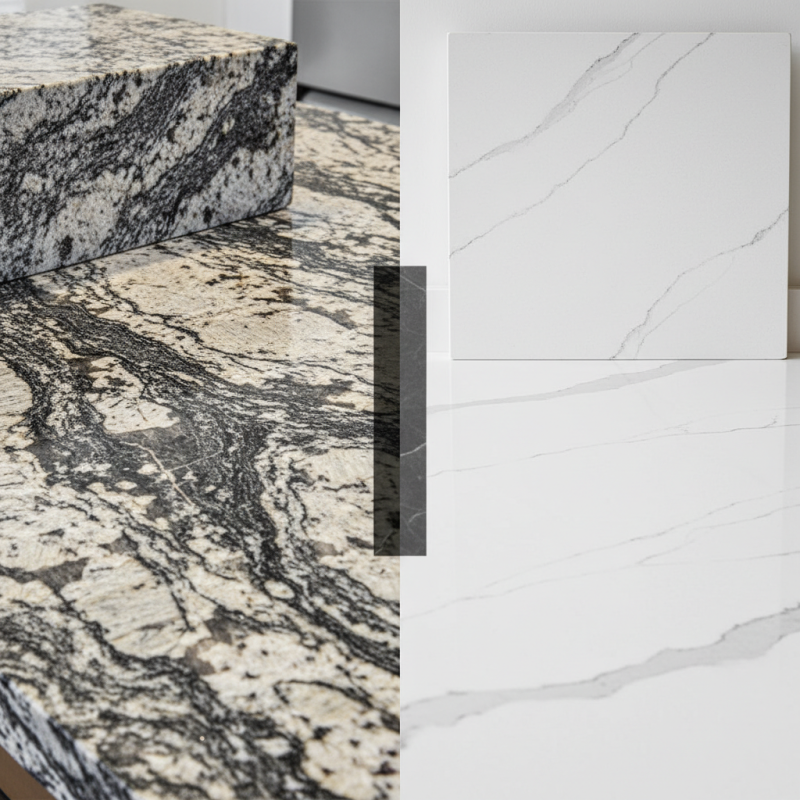
Characteristics of Natural Stone: Composition and Formation
Natural stone is formed over millions of years under specific geological conditions. Composed primarily of minerals, it often features unique patterns and colors. Each stone type offers distinct qualities based on its origin. For instance, granite is a combination of quartz, feldspar, and mica. It's known for its durability and resistance to heat, making it ideal for countertops.
Engineered stone, on the other hand, is a man-made product. It's typically composed of a minimum of 90% crushed natural stone combined with resins and pigments. This allows for a more consistent appearance, but it lacks the unique charm of natural stone. According to the Natural Stone Institute, natural stones can increase a property's value. In contrast, engineered stones can vary significantly in performance and quality.
The environmental impact of both materials is notable. Natural stone extraction can disrupt ecosystems, while engineered stone production involves chemical processes that also raise concerns. A study by the Environmental Surface Design organization highlights that natural stone can be more sustainable when sourced responsibly. However, the allure of engineered stone's uniformity and ease of maintenance can sway many. It’s essential to consider both the aesthetic and environmental implications when choosing between the two.
10 Key Differences Between Natural and Engineered Stone
This chart compares ten key characteristics of Natural Stone and Engineered Stone, rated on a scale from 1 to 10. The differences illustrate their unique properties, applications, and maintenance requirements.
Characteristics of Engineered Stone: Manufacturing Process and Materials
Engineered stone is a popular choice in modern construction and design. Its manufacturing process combines natural materials with resin and pigment. This results in a product that mimics the appearance of natural stone but offers several advantages. For instance, engineered stone typically contains up to 90% crushed quartz, making it more durable than many natural stones. Industry reports note that this durability provides a lower chance of chipping and cracking, particularly in busy kitchen environments.
The versatility of engineered stone is evident in its applications. It can be produced in various colors and patterns, catering to diverse aesthetic preferences. The controlled manufacturing process allows for a consistency that natural stone cannot always provide. However, this consistency can sometimes lead to criticism, as some believe engineered stone lacks the unique character found in natural rocks. Additionally, concerns regarding the environmental impact of synthetic resins in the production of engineered stone are also becoming more discussed within the industry.
Consumers often face a dilemma choosing between the unique nuances of natural stone and the uniform appeal of engineered products. Understanding the pros and cons is vital for making an informed decision. According to market research, the demand for engineered stone is expected to grow, as more people appreciate its practical benefits and versatility. However, ongoing discussions around sustainability and aesthetics remind us of the complexities involved in selecting materials for our spaces.
Durability and Maintenance: Comparing Longevity and Repairs
When comparing natural and engineered stone, durability and maintenance are essential factors. Natural stone, such as granite or marble, offers unique beauty but requires careful upkeep. It’s susceptible to staining, especially when oil or acidic substances come into contact with it. Sealing is necessary to enhance its longevity. However, even sealed stones need reapplication over time. Maintenance can become a hassle, depending on the stone's use.
Engineered stone, on the other hand, is often more resilient. It’s designed to resist stains, scratches, and heat. Repairs are rarely needed, making it ideal for busy households. Though it can chip, the color and pattern are consistent, so repairing a damaged area can be easier. Synthetic options also allow for a wider range of colors and styles, appealing to modern aesthetics.
However, this durability comes with a potential downside. Some engineered stones may lack the depth and warmth of natural options. While they are easier to maintain, they may not have the rich character that many homeowners desire. Ultimately, the choice between natural and engineered stone balances personal taste and practical needs. Each has its unique charm along with its maintenance challenges.
Aesthetic Appeal: Style Options and Visual Differences
Natural and engineered stone provide unique visual experiences. Natural stone, such as marble or granite, boasts organic patterns that tell a story. Each slab is different, showcasing colors and veining born from nature. The beauty lies in these imperfections. They can evoke a sense of timelessness and authenticity, creating a strong connection to nature.
Engineered stone is crafted for consistency. It comes in a wide variety of colors and patterns, offering a modern aesthetic. Because it’s man-made, it can mimic natural stone’s appearance while maintaining uniformity. Designers appreciate its versatility, as it allows for creative freedom. However, this can sometimes lead to a less unique look. While engineered stone offers sleek options, it can lack the character found in natural varieties.
Choosing between them often comes down to personal style. Natural stone brings a rich, historic feel to spaces. Engineered stone caters to contemporary tastes. Each material has its pros and cons. Reflecting on these factors can enhance your design choices. Aim for a balance that suits your environment and personal preferences.
Cost and Environmental Impact: Economic and Ecological Considerations
When comparing natural and engineered stone, cost and environmental impact emerge as significant factors. Natural stone is often more expensive, with prices ranging from $50 to $250 per square foot. This high cost stems from the extraction and transportation processes, which can be resource-intensive. In contrast, engineered stone tends to be more affordable, averaging about $30 to $100 per square foot. However, lower costs can obscure environmental implications associated with manufacturing.
Engineered stone is created using a mix of natural stone aggregate and resin, which contributes to its lower price. The production process, while efficient, raises concerns about ecological impacts. Reports suggest that 45% of the energy used in stone production comes from non-renewable sources. In contrast, natural stone, despite its higher price, often relies on more sustainable quarrying practices. Nevertheless, quarrying can disrupt local ecosystems and contribute to habitat loss.
Consider the lifecycle of both materials. Natural stone can last for decades, reducing the need for replacements. Engineered stone, while durable, might require more maintenance over time. Therefore, while initial costs may be tempting for engineered options, long-term environmental impact should be responsibly assessed. Balancing cost with ecological consideration is essential for sustainable choices in construction and design.
10 Key Differences Between Natural and Engineered Stone: Cost and Environmental Impact
| Aspect |
Natural Stone |
Engineered Stone |
| Cost |
$50 - $200 per sq. ft. |
$40 - $100 per sq. ft. |
| Durability |
High durability, can last centuries |
Very durable, resistant to chips and cracks |
| Variety |
Unique natural variations |
Consistent patterns and colors |
| Ease of Maintenance |
Requires regular sealing |
Low maintenance, no sealing needed |
| Environmental Impact |
Sourced from quarries, can disrupt ecosystems |
Made from recycled materials, less ecological disruption |
| Weight |
Heavier, requires sturdy support |
Lighter and easier to handle |
| Heat Resistance |
Highly heat resistant |
Moderate heat resistance |
| Color Options |
Natural earthy tones |
Wide range of colors available |
| Installation |
Complex installation |
Easier to install |
| Repairability |
Difficult to repair |
Easier to repair and replace |
FAQS
: Natural stone is primarily composed of minerals and features unique patterns. Common types include granite, marble, and limestone.
Engineered stone is a man-made product containing at least 90% crushed natural stone mixed with resins.
Yes, natural stone can enhance a property’s value, reflecting its unique qualities and aesthetic appeal.
Natural stone needs regular sealing to prevent staining and maintain its beauty. Ups keep can be time-consuming.
Yes, engineered stone is typically more resilient and resistant to stains, scratches, and heat, making maintenance simpler.
Natural stone extraction can harm ecosystems. Engineered stone production raises chemical concerns, so sourcing matters.
While it can be repaired, the process is often more complicated due to varying colors and patterns.
Many people appreciate the unique character and warmth of natural stone that engineered options may lack.
Engineered stones may not have the depth of color and texture that some homeowners desire, despite their durability.
Sealed stones require reapplication over time, which adds to maintenance and can vary in frequency.
Conclusion
When exploring the question of "what is the difference between natural and engineered stone," it is essential to consider several key characteristics. Natural stone, formed over millions of years through geological processes, boasts unique compositions and textures that offer authenticity and a variety of colors. In contrast, engineered stone is manufactured using a blend of natural minerals and resins, allowing for more consistent patterns and colors, as well as tailored designs to meet specific aesthetic preferences.
Durability and maintenance are also critical factors—natural stone is generally known for its longevity but may require more upkeep and repairs compared to engineered stone, which is designed for enhanced resilience against wear and tear. Additionally, cost considerations and environmental impact play significant roles, as engineered stone often presents a more economical choice, while natural stone may involve a greater ecological footprint due to extraction processes. Understanding these differences assists consumers in making informed decisions based on their needs and values.

 Tranquix Stone