As 2026 approaches, homeowners are faced with decisions regarding kitchen upgrades. One significant choice is whether to invest in stone countertops. The question many ask is, "Is stone countertop worth the investment?" This inquiry hinges on various factors, including cost, durability, and aesthetic appeal.
Stone countertops offer a unique beauty that synthetic materials often cannot match. They add a touch of luxury to any kitchen, potentially increasing the home’s market value. Investing in stone can provide long-term benefits, making it an attractive option for many. However, they can be expensive, and upkeep may require a commitment to maintenance.
Before deciding, consider your lifestyle and budget. Stone surfaces demand care and can be susceptible to chips or cracks if mishandled. It's essential to weigh the upfront costs against potential effects on resale value. Exploring all options ensures you make an informed choice, highlighting the nuances in the question of whether investing in stone countertops is truly worthwhile.
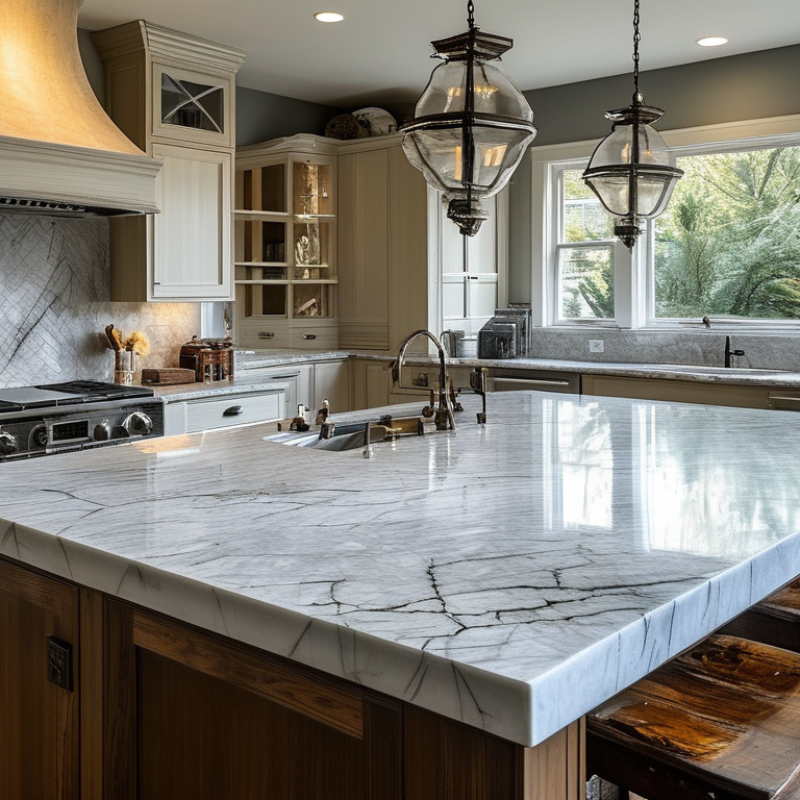
The rising popularity of stone countertops in home renovations is evident in recent market trends. According to a report by the Home Improvement Research Institute, stone surfaces have gained a 30% increase in demand over the past five years. More homeowners are opting for durable materials that offer both aesthetic appeal and longevity.
Many see stone countertops as a long-term investment. They enhance kitchen and bathroom designs significantly. However, it’s important to weigh the costs and benefits. A granite countertop can cost between $40 and $100 per square foot, depending on the type and finish. For those on a budget, exploring options like quartz or soapstone may provide a balance of quality and affordability.
Tips: When choosing stone countertops, consider the maintenance required. Some stones need sealing, while others are more stain-resistant. Always ask for samples and visualize how they complement your overall decor. Additionally, reflect on the installation costs, which can vary widely. A proper install can ensure longevity, while a rushed job may lead to issues down the line.
| Material Type | Cost per Square Foot ($) | Lifespan (Years) | Maintenance Level | Popularity Trend (2023-2026) |
|---|---|---|---|---|
| Granite | $60 - $100 | 20+ | Low | High |
| Marble | $100 - $150 | 15 - 20 | Medium | Moderate |
| Quartz | $50 - $100 | 25+ | Low | Increasing |
| Soapstone | $70 - $120 | 30+ | Very Low | Stable |
| Limestone | $40 - $80 | 15 - 25 | Medium | Decreasing |
Investing in stone countertops is becoming increasingly popular. Homeowners are drawn to their durability and timeless appeal. According to a recent industry report by the National Kitchen and Bath Association, over 60% of homeowners chose stone for their kitchen remodels in 2023. This trend suggests that stone countertops are viewed as a worthy investment.
Stone countertops add significant value to a home. In a 2023 appraisal review, properties with natural stone surfaces sold for 15% more than similar homes without them. This data indicates that buyers are willing to pay a premium for stone features. Additionally, these surfaces are resistant to scratches and stains, making them a practical choice for busy households.
However, potential buyers should consider the initial cost. While stone countertops can start from $50 per square foot, custom options can go well beyond $100. There is a tangible return on investment, but the upfront expense may deter some. In the long run, these materials offer benefits like longevity and elegance that can justify the investment, though it requires careful consideration.
When considering stone countertops in 2026, a cost analysis reveals intriguing insights. According to a report by the National Kitchen and Bath Association, stone countertops, such as granite and quartz, cost between $50 and $150 per square foot. This pricing is significantly higher than laminate and vinyl options, which average around $20 to $40 per square foot. While stone may seem expensive upfront, its durability and longevity can make it a better investment over time.
Stone countertops have a lifespan of 20 years or more, far exceeding that of many cheaper materials. The same report indicates that replacement costs can add up quickly for lower-grade surfaces. Homeowners may find they replace laminate countertops every 5 to 10 years, which could double their initial investment in the long run. An understanding of these figures suggests that the initial cost may be justified.
However, it's crucial to consider potential downsides. Stone surfaces often require professional installation, which can further inflate costs. Additionally, while they are highly durable, they can be prone to chips and scratches without proper care. Homeowners should weigh these factors against their budgets and lifestyle needs. A thorough analysis will reveal if stone countertops truly align with their goals for beauty and practicality in the long haul.
Stone countertops have become increasingly popular due to their durability and aesthetic appeal. However, their maintenance and longevity require careful consideration. Regular upkeep is essential to keep these surfaces looking pristine. Sealing is necessary to prevent stains and damage. Depending on the type of stone, this may need to be done every six months to a year. A thorough cleaning routine using pH-balanced cleaners will help preserve the stone's surface.
While stone countertops can last for decades, they are not without their flaws. Scratches and chips can occur, especially if the stone is softer. These imperfections can detract from their beauty and require professional repair. Homeowners should weigh the cost of repairs against the benefit of investment. Sometimes, it’s challenging to determine the right balance between beauty and practicality.
In 2026, prospective buyers must consider how they will care for their stone countertops. High maintenance may deter some. The initial cost can be tempting, but ongoing care is a commitment. It's crucial to remain aware that even the most beautiful stone can show wear over time. Understanding this will help make informed choices.
The stone countertop market is evolving. Key trends are shaping its value in 2026. According to a report by MarketsandMarkets, the global stone countertop market is expected to reach $28.87 billion by 2026. The demand for durable and sustainable materials is rising. Consumers care about longevity and aesthetic appeal.
Customization is another driving force. Homeowners want unique designs that reflect their style. Recent surveys show that 70% of consumers prefer personalized options. This is pushing manufacturers to innovate. The adoption of advanced technology in stone processing is making this possible. Enhanced cutting and finishing techniques are improving quality. Yet, the costs can be high.
Tips: Consider your budget carefully. Stone countertops can be a significant investment. Look for local suppliers to reduce shipping costs. Research different stone types to find the perfect match for your home. Keep in mind that while stone can be durable, it also requires proper maintenance. Regular sealing is crucial to prevent stains and damage.
This chart illustrates the projected investment trends in various types of stone countertops by 2026. The data showcases the increasing popularity of quartz countertops, followed by granite, marble, and other stones. As consumers lean towards durability and aesthetics, quartz has become the most sought-after material.
: Stone countertops have seen a 30% increase in demand over five years. Many homeowners appreciate their durability and beauty.
Yes, they enhance design significantly. However, consider both costs and benefits carefully before making a decision.
Costs can range from $40 to $100 per square foot, influenced by material type and finish. Budget options are available.
Regular maintenance is key. Sealing may be required every six months to a year to prevent stains and damage.
Use pH-balanced cleaners. Avoid harsh chemicals that can damage the stone's surface, keeping it looking pristine.
Installation costs vary widely. A proper installation ensures longevity, while a poor job may create future problems and higher costs.
Yes, scratches and chips can occur, especially with softer stones. Repairs can be costly, impacting your investment's overall value.
Sealing frequency depends on the stone type. Most need sealing every six months to one year for optimal care.
High maintenance may deter some buyers. The initial appeal can fade as care becomes a long-term commitment.
While they can be stunning, understanding wear over time is essential. Flaws may develop that require reflection on choices made.
In 2026, the trend of incorporating stone countertops in home renovations continues to rise, driven by their aesthetic appeal and durability. Homeowners are increasingly recognizing the key benefits of investing in stone countertops, which include enhanced property value and a timeless look that can seamlessly blend with various design styles. Furthermore, a cost analysis reveals that while stone countertops may have a higher upfront cost compared to other materials, their longevity and low maintenance requirements often result in significant savings over time.
As homeowners seek to create lasting and attractive spaces, understanding whether "is stone countertop worth the investment" becomes crucial. The maintenance needs and durability of stone also contribute to their appeal, ensuring that this material remains a popular choice in the evolving market. Trends in 2026 indicate that consumers are likely to prioritize quality and sustainability, further solidifying stone countertops as a worthy investment in home design.
Tranquix Stone