In today’s competitive real estate market, enhancing property value is crucial. Stone design serves as a powerful tool in achieving this goal. According to a recent report by the National Association of Realtors, properties featuring stone accents can see an increase in value by up to 20%. This statistic highlights the significance of design choices in real estate.
Renowned architect Dr. Emily Stone emphasizes this notion, stating, "Using natural stone not only elevates aesthetics but also contributes to long-term property value." Her insights point to the fact that stone is durable and timeless, traits that resonate with potential buyers. Furthermore, incorporating stone features can enhance curb appeal, creating a lasting first impression.
Homeowners often overlook the potential of stone design. Simple additions, like stone pathways or exterior walls, can significantly impact value. The challenge lies in choosing the right type of stone. Some designs may clash with the property’s style. It’s important to reflect on how design decisions align with market trends and personal taste.
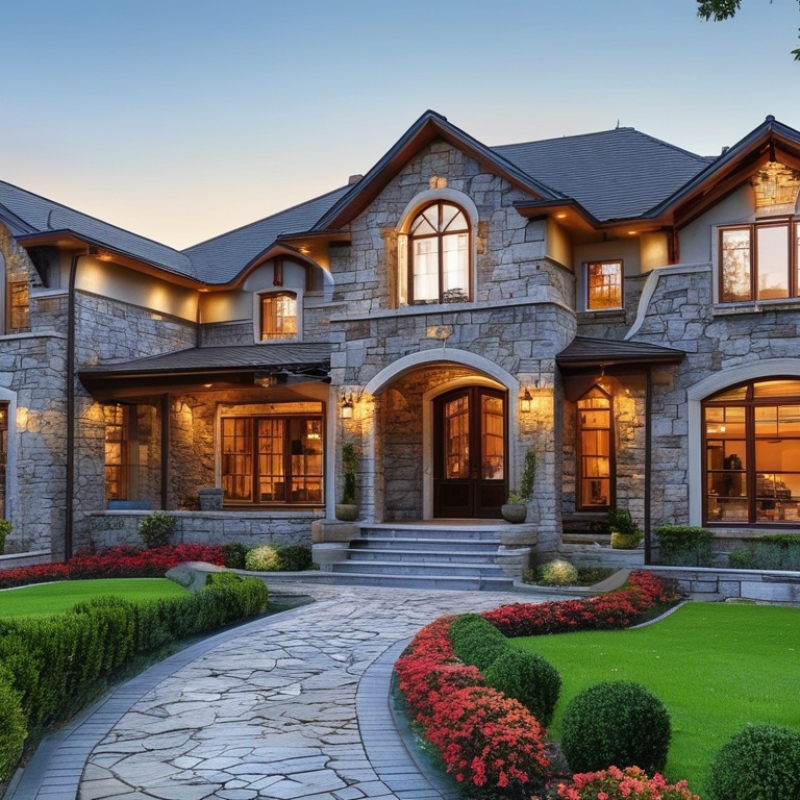
Stone facades have gained popularity for enhancing curb appeal. They add a timeless quality that makes homes stand out. According to the National Association of Realtors, homes with stone exteriors have a higher resale value, often recouping over 90% of renovation costs. This impressive statistic highlights the return on investment when using stone design elements.
Incorporating stone accents can also create visual interest. These features break the monotony of traditional home exteriors. For instance, a stone entryway or decorative columns can draw attention and create a welcoming atmosphere. However, it’s essential to balance stone use with other materials to avoid overwhelming the design. Overdoing it may lead to a cluttered appearance, detracting from the home's overall charm.
In regions with varying climates, the choice of stone is critical. Certain stones may crack under extreme temperatures. Selecting the right type ensures durability and enhances the property’s aesthetics. Consulting with local experts can provide insights into the best materials. This careful planning can yield significant improvements, ensuring your home not only looks appealing but also stands the test of time.
Natural stone can dramatically enhance your outdoor spaces. Patios built from materials like slate, limestone, or granite offer timeless beauty. These stones are incredibly durable and easy to maintain. They resist wear and tear from weather changes, making them perfect for outdoor use.
When designing your patio, consider incorporating patterned stone designs. Unique patterns can add character and depth to the space. Remember to ensure that the stones are properly installed to avoid uneven surfaces. Uneven stones can be a safety hazard. Consult with a professional for best results.
Adding natural stone features can elevate your outdoor ambiance. Try using stone borders or seat walls to create definition. Lighting can also accentuate the beauty of stonework at night. Reflect on how each element harmonizes with nature. This will help create a more inviting environment.
Incorporating stone elements in interior design can significantly enhance the aesthetic appeal of a space. Stone adds a sense of durability and timelessness that other materials lack. For example, a stone accent wall can serve as the focal point in a living room, drawing attention without overwhelming the senses. Using natural stones like slate or granite in kitchen countertops also provides both beauty and functionality.
Textures play a crucial role when using stone. A rough-hewn fireplace can create a cozy atmosphere, while polished marble floors offer a touch of elegance. Mixing different types of stone can add depth. However, overdoing it can clutter a space. Opt for simple pieces, like small stone vases or sculptures. These can elevate a layout without it feeling cramped.
Lighting is essential when integrating stone. Natural light enhances the colors and textures of stone surfaces, while strategic artificial lighting can highlight designs. Experimenting with shadows can lead to surprising effects. Not every combination will work seamlessly, so it’s wise to test different arrangements. Embracing imperfections in stone, like unique veining, can add character and invite thoughtful reflection.
| Design Element | Impact on Property Value | Cost Estimate | Benefits |
|---|---|---|---|
| Natural Stone Flooring | High | $10 - $20 per sq. ft. | Durability, low maintenance |
| Stone Accent Walls | Moderate | $50 - $100 per panel | Aesthetic appeal, adds character |
| Fireplace Surrounds | High | $1,000 - $5,000 | Enhances warmth, focal point |
| Stone Countertops | Very High | $50 - $150 per sq. ft. | Luxury feel, high durability |
| Exterior Stone Veneer | High | $15 - $30 per sq. ft. | Curb appeal, insulation |
| Garden Pathways | Moderate | $10 - $25 per sq. ft. | Aesthetics, functionality |
| Stone Patios | High | $15 - $60 per sq. ft. | Outdoor living space, entertainment |
| Stone Borders for Landscaping | Low to Moderate | $5 - $15 per linear ft. | Defines spaces, low maintenance |
| Stone Columns | High | $200 - $800 each | Architectural interest, support |
| Stone Water Features | High | $500 - $10,000 | Adds tranquility, enhances landscape |
Stone materials enhance property durability. They stand strong against weather extremes and are less prone to damage. According to the National Association of Home Builders, properties with stone features can see up to a 10% increase in market value. This makes stone not just a design choice but a smart investment.
Regular maintenance is crucial. Simple tasks like sealing stone can prevent staining and moisture damage. In fact, untreated stone can absorb water, leading to costly repairs. A survey by Remodeling magazine indicates that homeowners can save up to 30% on maintenance costs when using high-quality stone finishes.
Consider these tips: Choose stones that are locally sourced. This reduces transport costs and environmental impact. Always ask for professional installation. Proper fitting ensures longevity. Finally, integrate stone with plant life. This enhances aesthetics and improves your property’s ecosystem. Making thoughtful choices about stone design elevates both value and sustainability.
This bar chart represents the top 10 features of stone design that can significantly improve property value. Each feature's impact on property value is expressed as a percentage, showcasing the importance of integrating stone materials into property design.
Stone landscaping features can significantly enhance property value. According to a study by the National Association of Realtors, homes with professional landscaping can sell for up to 20% more. Stone elements like patios and retaining walls add visual appeal and functionality. They often require less maintenance than traditional plant landscaping, offering a long-term value for homeowners.
Incorporating stone paths, fire pits, or water features can create a focal point. These features not only draw the eye but also invite social gatherings. A well-placed stone bench can transform a simple yard into a serene oasis. Think about using local stones to ensure durability and a cohesive look.
Tip: When designing, consider the balance between hardscape and softscape. Too much stone can feel harsh. Aim for a combination that invites comfort and usability. Engage a landscape architect who can guide you through the process, ensuring your design reflects both beauty and practicality. Make sure the features align with your property’s style for optimal appeal.
: Stone withstands weather extremes and is less prone to damage. It adds strength to structures.
Regular maintenance, like sealing, helps prevent stains and moisture damage. Untreated stone can absorb water.
Yes, properties with stone features may see a 10% increase in market value. It's a smart investment.
Stone paths, patios, and retaining walls add visual appeal. They often require less upkeep than traditional landscaping.
Choosing local stone reduces transport costs and environmental impact. It also ensures better durability.
Integrating stone with plant life improves aesthetics and supports the ecosystem. Balance is key in design.
Professional installation ensures proper fitting, enhancing the longevity of stone features. DIY may lead to mistakes.
Features like fire pits or benches invite gatherings and interaction. They enhance the usability of your outdoor area.
Balance hardscape and softscape to create comfort. Too much stone can feel harsh, while a blend is inviting.
Stone features often require less maintenance. They offer lasting beauty and functionality for homeowners.
In today's competitive real estate market, homeowners are increasingly seeking ways to enhance their properties' appeal and value. One effective strategy is to learn how to improve property value with stone design. By incorporating stone facades and accents, homeowners can significantly boost curb appeal, making a lasting first impression. Furthermore, utilizing natural stone for patios and outdoor spaces creates stunning environments that promote outdoor living and relaxation.
In addition to exterior enhancements, integrating stone elements in interior design can elevate a home's aesthetic and functionality. Stone materials also improve durability and reduce maintenance costs, appealing to prospective buyers. Lastly, adding stone landscaping features, such as walkways and retaining walls, enhances both beauty and usability. Together, these elements create a cohesive and attractive property that stands out in the market, ensuring a smart investment for homeowners.

Tranquix Stone