How to Clean and Maintain Cobblestone Pavers?

Time:2026-09-09 Author:Sophia
0%

Cobblestone pavers bring texture, history, and dependable strength to driveways, walkways, patios, and garden paths. Yet their uneven surfaces collect soil, leaves, moss, and spilled oil. Learning how to clean and maintain cobblestone helps preserve both appearance and stability. The right method depends on the stone type, joint material, weather exposure, and existing sealer.

A practical maintenance routine starts with removing loose debris using a soft broom. Then, rinse the surface with clean water and inspect darker stains closely. A pH-neutral stone cleaner and a stiff nylon brush are usually safer than harsh chemicals. Always test the solution on a hidden area first. Small details matter. Avoid metal brushes, strong acids, and excessive pressure, which can damage the stone or wash out joint sand. I have seen attractive paving lose its natural color after one aggressive cleaning attempt. That experience is worth remembering.

Regular inspections also reveal loose stones, cracked joints, blocked drainage, and early weed growth. Addressing these problems early can reduce expensive repairs later. Sealing may help in some settings, but it is not suitable for every cobblestone surface. Product instructions and the paver manufacturer’s guidance should take priority. Weather also changes the schedule; shaded areas often need more attention than sunny ones. No routine works perfectly everywhere. A careful homeowner observes the surface, adjusts cleaning methods, and records what works. This guide explains each step clearly, while keeping safety, stone protection, and long-term performance at the center.
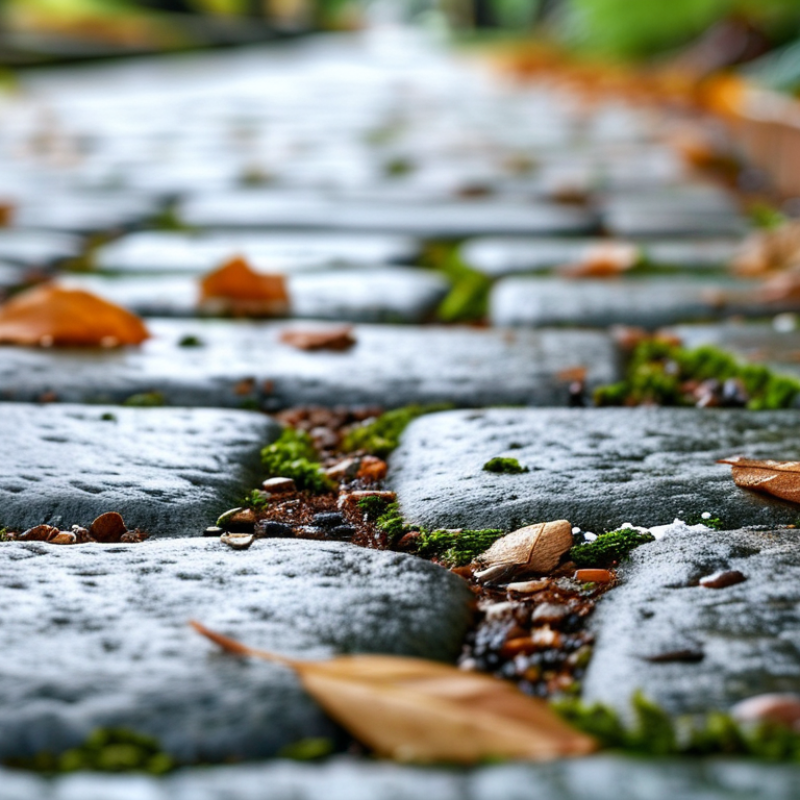
How to Clean and Maintain Cobblestone Pavers?

Assess Cobblestone Paver Materials and Cleaning Requirements

Before cleaning cobblestone pavers, identify the material and inspect its condition. Granite usually tolerates firm brushing, while limestone may scratch or react to acidic cleaners. Concrete pavers often absorb oil, leaving darker patches after rain. Check for loose joints, chipped edges, moss, and white mineral deposits. A close inspection matters. I usually photograph the area first, then test water absorption in an hidden corner. If water darkens the stone quickly, use gentler cleaning and allow careful drying. Do not assume every gray cobble is granite. Appearance can mislead.

Remove leaves and grit with a soft broom before adding water. Use low-pressure rinsing and a pH-neutral cleaner suited to the confirmed material. Work in small sections, keeping the surface wet. This prevents loosened soil from drying into streaks. A nylon brush is safer than a wire brush near joints. Oil, rust, and biological growth need different treatments, so one chemical method rarely works reliably. Never mix cleaners. Protect nearby plants and inspect runoff. Excessive pressure washing can remove joint sand or widen existing cracks. I once cleaned too aggressively and created a patch that looked newer, but less natural.

Tips: Test every cleaner first. Use clean water. Rinse thoroughly. Replace missing joint material only after the pavers dry. Avoid sealing immediately after washing; trapped moisture may cause cloudy patches. Recheck the surface after several days, because some stains fade slowly.

Remove Surface Debris Before Washing the Pavers

How to Clean and Maintain Cobblestone Pavers?

Remove surface debris before washing the pavers. That simple step prevents grit from becoming abrasive mud. I use a stiff, soft-bristle broom and work from the highest edge downward. Leaves, seed pods, and loose sand often hide inside the joints. Do not drag metal tools across the surface. They can scratch stone and dislodge joint material.

The Concrete Masonry and Hardscapes Association’s maintenance guidance recommends routine sweeping before wet cleaning. Its technical recommendations also warn that uncontrolled water pressure can disturb joint sand. This matters because joint loss can reduce pavement stability and encourage weed growth. The U.S. Environmental Protection Agency’s 2022 National Water Quality Inventory identifies sediment as a recurring water-quality impairment. Dry removal keeps that sediment out of nearby drains.

Check the joints carefully.

I once washed too early. The water pushed fine soil deeper between the stones, creating dark lines that required extra work. A better method is to remove debris twice: sweep lengthwise, then sweep across the joints. Use a plastic hand brush around edges and drainage channels. If moss remains, lift it gently before washing. Avoid blasting concentrated spray at corners. A low-pressure rinse is usually safer after the surface is visibly clear. Even experienced workers can miss compacted grit beneath parked planters, so inspect those hidden areas before using water.

Clean Cobblestones with Suitable Tools and Solutions

Cobblestone pavers collect dust, soil, leaf stains, and grit between their joints. A stiff nylon brush removes loose debris without scratching the stone. A broom with firm bristles works well on dry surfaces. Avoid wire brushes. They can leave fine marks and expose rough edges.

Use warm water and a pH-neutral stone cleaner for routine washing. Mix the solution according to its label, then test it on a hidden area. Scrub small sections with a nylon brush, especially around moss and compacted soil. Rinse with clean water before the cleaner dries. A low-pressure washer can remove stubborn dirt, but keep the nozzle moving. I once held the spray too close and displaced joint sand. That mistake made later repairs harder.

Oil spots need quick attention. Cover fresh spills with an absorbent powder, wait, and sweep carefully. Do not spread the stain with a wet cloth. For organic marks, a mild oxygen-based cleaner may help, but stronger chemicals can alter the stone’s color. Wear gloves and eye protection during cleaning. Remove weeds by hand, then refill empty joints with suitable paving sand. Check drainage after washing; standing water often causes repeated staining. The surface may look clean while the joints remain weak. That detail is easy to miss.

How to Clean and Maintain Cobblestone Pavers

Recommended annual frequency for common cobblestone maintenance tasks

Sweep cobblestones regularly to remove grit and organic debris before they settle into the joints. Rinse with clean water when needed, treat stains promptly with a pH-neutral cleaner, and schedule one deeper cleaning each year. Avoid harsh acids and wire brushes because they can damage the stone surface and jointing material.

Treat Stains, Moss, Weeds, and Joint Growth Safely

Cobblestone pavers need gentle cleaning, because their uneven faces hold dirt and moisture. I begin by sweeping loose grit from every joint. Then I rinse the surface with clean water. For oil or food stains, I use a mild, pH-neutral cleaner and a stiff nylon brush. I test a hidden corner first. My early mistake was scrubbing too aggressively, which exposed loose sand and dulled the stone.

Moss usually appears in shaded, damp areas. I remove thick growth with a plastic scraper, then wash the area carefully. A diluted oxygen-based cleaner can help with remaining discoloration, but it should never sit until dry. Keep nearby plants wet and protected during cleaning. Avoid harsh acids and excessive pressure. They may damage the stone, surrounding soil, or joint material. Wear gloves and eye protection, even for simple work.

Weeds should be pulled when the soil is slightly damp. Remove the roots, not only the leaves. Small weeds often return through weakened joints. After the pavers dry, I refill open gaps with clean jointing sand and brush it deeply into place. Water lightly, following the material instructions. I check the surface after heavy rain, because washed-out joints invite more growth. This routine is not perfect. Some stains need repeated treatment, and stubborn moss may reveal a drainage problem rather than a cleaning problem.

Inspect, Repair, Seal, and Maintain Cobblestone Pavers Regularly

Cobblestone pavers need regular inspection, especially after heavy rain, frost, or repeated vehicle traffic. I check for rocking stones, cracked edges, open joints, moss, and standing water. Loose pavers often indicate a weakened base, not merely a surface problem. Mark these areas before cleaning. A stiff broom removes grit, leaves, and soil from the joints. Use clean water and a pH-neutral cleaner for darker stains. Avoid aggressive pressure washing, which can remove joint material and disturb the bedding layer.

Repair damaged sections carefully. Lift loose cobbles, remove unstable sand, and rebuild the base in thin, compacted layers. Reset each stone so its surface matches the surrounding grade. Replace severely damaged units with stones of similar size, thickness, and texture.

I once repaired a small low spot without checking drainage. It looked perfect for a month, then collected water again. That mistake made the cause clear: appearance cannot replace proper inspection.

Seal only when the surface is clean, dry, and fully repaired. Test the sealer on a hidden area first, because some stones darken or develop uneven patches. Apply thin coats according to the product instructions, leaving joints open where drainage depends on them. Over-sealing can trap moisture and encourage surface deterioration. Sweep regularly, remove weeds by hand, and rinse spills quickly. Inspect the pavers every few months. Small repairs are easier.

FAQS

: How should I prepare cobblestone pavers before washing?

: Sweep away leaves, seed pods, loose sand, and hidden grit. Use a soft-bristle broom from the highest edge downward. Then sweep across the joints. Keep it dry first.

Why should debris be removed before using water?

Water can turn loose grit into abrasive mud. This may scratch stone surfaces and push soil deeper between pavers. Dry removal also reduces sediment entering nearby drains.

What tools are safest for cleaning cobblestone pavers?

Use soft brooms, plastic hand brushes, plastic scrapers, and stiff nylon brushes. Avoid metal tools. They can scratch uneven stone and loosen joint material.

How can I clean oil or food stains?

Apply a mild, pH-neutral cleaner and scrub with a nylon brush. Test a hidden corner before treating the visible stain. Some stains need repeated treatment.

How should moss be removed from shaded areas?

Lift thick moss with a plastic scraper. Wash gently afterward. A diluted oxygen-based cleaner may help discoloration. Do not let the solution dry on the surface.

How do I remove weeds from the joints?

Pull weeds when the soil is slightly damp. Remove the roots, not only the leaves. Refill open gaps with clean jointing sand after the pavers dry.

Can I use high-pressure water on cobblestone pavers?

Avoid concentrated spray at corners and joints. Excessive pressure may dislodge sand and disturb pavement stability. A low-pressure rinse is usually safer.

What should I do after cleaning and heavy rain?

Inspect the joints for washed-out sand, dark lines, or returning weeds. Brush fresh jointing sand into open gaps. My earlier cleaning was too aggressive, so I now inspect more carefully.

Conclusion

Learning how to clean and maintain cobblestone pavers begins with understanding the material and its specific care requirements. Start by removing leaves, dirt, sand, and other loose debris with a broom or gentle blower before washing. Use suitable tools, such as a soft brush and low-pressure water, together with a mild cleaning solution that will not damage the stones or joint material. Avoid harsh chemicals and excessive pressure, which may cause discoloration, surface erosion, or loosened joints.

For stains, moss, weeds, and unwanted growth between the pavers, treat each problem carefully with appropriate methods and remove the growth without damaging surrounding stones. After cleaning, inspect the surface for cracks, uneven areas, loose pavers, and weakened joints. Make necessary repairs, replace damaged joint material, and consider applying a suitable sealer when the surface is fully dry. Regular sweeping, prompt stain removal, weed control, and periodic inspections will help preserve the appearance, stability, and service life of cobblestone pavers.

Sophia

Sophia

Sophia is a dedicated marketing professional with an exceptional depth of knowledge about her company's products and services. With a keen understanding of market trends and customer needs, she crafts insightful blog posts that not only inform but also engage readers, enriching the company’s online......