The cost of stone installation can vary greatly based on a multitude of factors. Understanding what factors affect stone installation cost is essential for project planning and budgeting. According to a report by the National Stone Association, installation prices can range from $15 to $30 per square foot, influenced by various elements such as material type, labor, and location.
Expert Joe Black, a renowned contractor with over 20 years in the field, emphasizes the need for careful assessment. He states, "Quality stone and skilled labor are key to a successful installation." This insight highlights the importance of selecting the right materials and hiring experienced professionals to avoid unexpected costs down the line.
Seasonality and regional differences further complicate pricing. For instance, winter installations may incur additional costs due to weather challenges. Homeowners must also consider the scale of the project, as larger jobs often lead to economies of scale, yet may also uncover unforeseen complications. Therefore, knowing what factors affect stone installation cost is crucial for an informed decision.
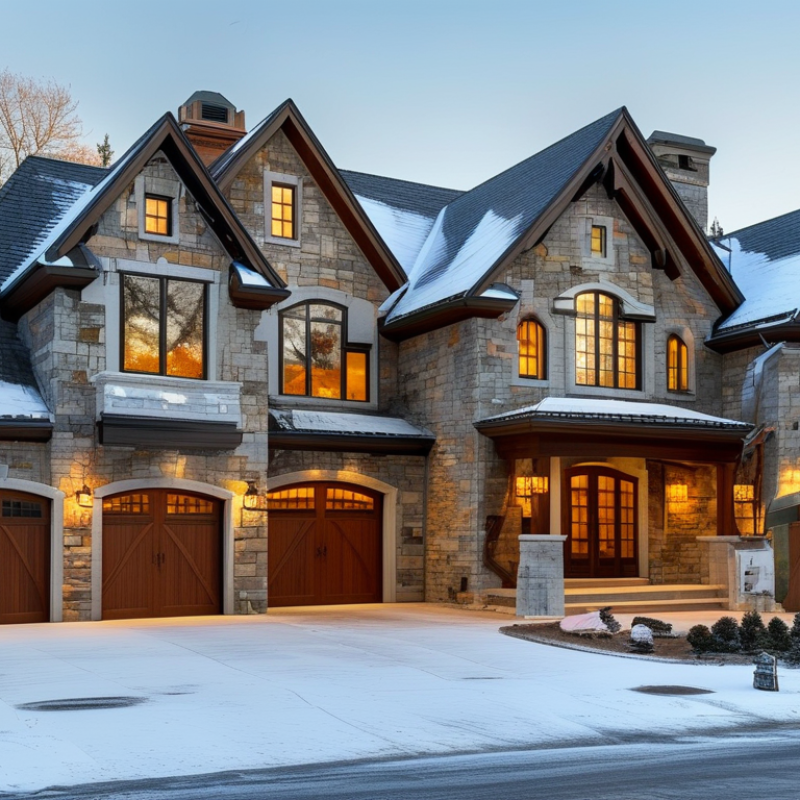
Types of Stone Materials and Their Cost Implications
Choosing the right stone material is crucial for any installation project. Different types of stones vary widely in cost. Natural stone, such as granite or marble, is generally more expensive. It is durable and adds sophistication. However, it requires proper maintenance to prevent damage.
On the other hand, engineered stone can be a cost-effective option. It mimics the look of natural stone but is often cheaper. Yet, some may find it less appealing because it lacks the unique features of natural stone. The installation process also influences total costs, as some stones require specialized skills.
When planning your project, consider your budget carefully. Does the beauty of granite outweigh the potential maintenance costs? Are you prepared for potential imperfections in the installation? Reflecting on these questions can guide your decision-making process. Choosing stone is not just about aesthetics; it's an investment that requires careful thought. Each type of stone tells its own story while impacting both immediate and long-term costs.
What Factors Influence the Cost of Stone Installation?
This chart illustrates the average cost per square foot of various stone materials commonly used in installation projects. The data reflects estimated costs that vary depending on quality, type, and market conditions.
Labor Costs Associated with Stone Installation
When considering stone installation, labor costs play a crucial role in the overall cost structure. According to industry reports, labor often accounts for 30% to 50% of the total project cost. Skilled labor is essential for proper installation, as errors can lead to additional expenses. Hiring inexperienced workers may seem cost-effective, but it might result in costly mistakes.
Factors impacting labor costs include the complexity of the project and local wage rates. In urban areas, hourly labor rates can exceed $70, while rural regions may see costs as low as $40. Moreover, installation involving intricate designs demands advanced skills, further increasing labor expenses. Reports indicate that projects requiring cutting, shaping, or custom fitting trigger higher labor costs.
Time is a significant factor as well. Most stone installations take several days, depending on the size and layout. Delays can inflate costs, especially if workers are paid hourly. It's essential to account for all potential challenges in labor planning to avoid unforeseen expenses. Efficient project management and skilled workers can mitigate risks and lead to a smoother installation process, ultimately saving costs.
Surface Preparation and Its Impact on Overall Expenses
Surface preparation is a critical factor that significantly impacts the cost of stone installation. Proper preparation ensures that the stones adhere well and perform optimally over time. It involves cleaning the underlying surface, leveling it, and making necessary repairs. If the foundation is unstable, it may require additional investments, which can increase overall costs.
Many homeowners overlook surface issues. They may think a simple cleaning is enough. However, inadequate preparation can lead to significant problems later. Uneven surfaces can cause stones to crack or shift. This can result in costly repairs down the line. Professionals often recommend an assessment of the site before installation to ensure it meets the necessary standards.
Investing in quality surface preparation pays off in the long run. It may seem expensive upfront, but it prevents future issues. Ultimately, the condition of the surface can make or break a stone installation project. Quality work today ensures satisfaction tomorrow.
Geographic Location and Accessibility Factors
Geographic location significantly impacts stone installation costs. Areas with high demand for high-quality stone often see inflated prices. Urban centers typically incur higher transportation fees. These costs can quickly add up. Accessibility also plays a crucial role. If a job site is in a difficult-to-reach area, additional fees will likely apply.
Local regulations may influence installation practices as well. Certain regions may have stricter requirements for construction materials. Compliance with these standards can increase labor costs. Transporting heavy stone can pose challenges, especially in remote areas. Crews may need more time to handle logistics, adding to overall expenses.
Consider the local climate too. Weather conditions can affect installation timeframes. Extreme temperatures may delay the work. It's vital to assess these factors before starting a project. Understanding the geographical nuances will help in budgeting effectively.
Each project is unique, and reflecting on these points can lead to better planning.
Maintenance Requirements and Long-term Cost Considerations
When considering stone installation, maintenance requirements play a crucial role in long-term costs. Regular upkeep is essential. For instance, unsealed stone may absorb stains and require heavy cleaning. According to the National Stone Institute, proactive maintenance can reduce replacement costs by up to 80%.
Different types of stone require varying maintenance levels. For example, granite is durable and low-maintenance. On the other hand, marble is softer and needs regular sealing. Neglecting these requirements may lead to costly repairs. Industry data shows that improperly maintained stone can decrease its lifespan by up to 50%.
Investing in quality installation can influence future maintenance. Skilled professionals understand how to properly seal and treat materials, affecting durability. However, the initial investment may be perceived as high. Weighing long-term benefits against upfront costs is important. Proper care often translates to significant savings down the road.
What Factors Influence the Cost of Stone Installation? - Maintenance Requirements and Long-term Cost Considerations
| Factor |
Description |
Estimated Cost Impact (%) |
Maintenance Frequency |
Long-term Considerations |
| Type of Stone |
Granite, Marble, Slate, etc. |
10-30% |
Low - High (annually) |
Durability and Erosion Rate |
| Installation Complexity |
Simple vs. Intricate Patterns |
5-25% |
Varies by Design |
Ease of Repair |
| Surface Treatment |
Polished, Honed, etc. |
10-20% |
Annual Sealing Recommended |
Stain Resistance |
| Installation Location |
Indoor vs. Outdoor |
5-15% |
High for Outdoor |
Weather Resistance |
| Labor Costs |
Skilled vs. Unskilled Labor |
15-40% |
Ongoing Training Required |
Quality of Workmanship |
FAQS
: The type of stone, its durability, maintenance needs, and installation skills all impact costs.
Natural stone offers beauty and durability but can be costly to maintain.
Proper surface preparation is crucial. Neglecting it can lead to future expenses due to damage.
Granite needs less maintenance; marble requires more care and regular sealing to prevent damage.
Yes, inadequate preparation can lead to uneven surfaces and costly repairs down the line.
Proactive maintenance and quality installation can significantly lower future repair costs.
Engineered stone is cheaper and resembles natural stone, but may lack unique qualities.
Some stones require specialized skills for installation, which can add to overall expenses.
Yes, evaluating the site ensures it meets standards and avoids surprises during installation.
Neglecting maintenance may lead to faster deterioration, increasing replacement costs significantly.
Conclusion
When considering what factors affect stone installation cost, several key elements come into play. First, the type of stone material selected significantly influences expenses, as different materials have varying price points and qualities. Additionally, labor costs for installation can vary based on local wage rates and the complexity of the job. Proper surface preparation is crucial, as inadequate preparation can lead to higher overall expenses due to potential rework or additional materials needed.
Geographic location also plays a role; regions with easier access to stone quarries may experience lower transportation costs, while remote areas might see an increase. Finally, long-term maintenance requirements must be considered, as some stone types require more upkeep than others, impacting overall costs over time. Understanding these factors is essential for anyone looking to install stone effectively and economically.

 Tranquix Stone