Which Stone is Easiest to Maintain Outdoors For Your Needs?

Time:2026-05-28 Author:Oliver
0%

Choosing the right stone for outdoor settings is crucial. Homeowners often ask, "which stone is easiest to maintain outdoors?" According to a study by the Natural Stone Institute, nearly 60% of homeowners prioritize low maintenance when selecting materials. The right stone can significantly impact both aesthetics and upkeep.

Granite, for instance, is known for its durability and resistance to stains. It requires minimal sealing and is often favored in high-traffic areas. On the other hand, limestone offers a unique look but may require more frequent maintenance. A report from the American Society of Landscape Architects notes that maintenance costs can vary widely depending on stone choice. Understanding these factors can guide your decision.

However, even the best stones have their downsides. For example, softer stones can develop scratches and wear over time. This raises an important question about long-term investment. Assessing your specific needs and understanding regional weather can lead to better choices. Ultimately, selecting the right stone involves not just aesthetics, but also maintenance considerations.
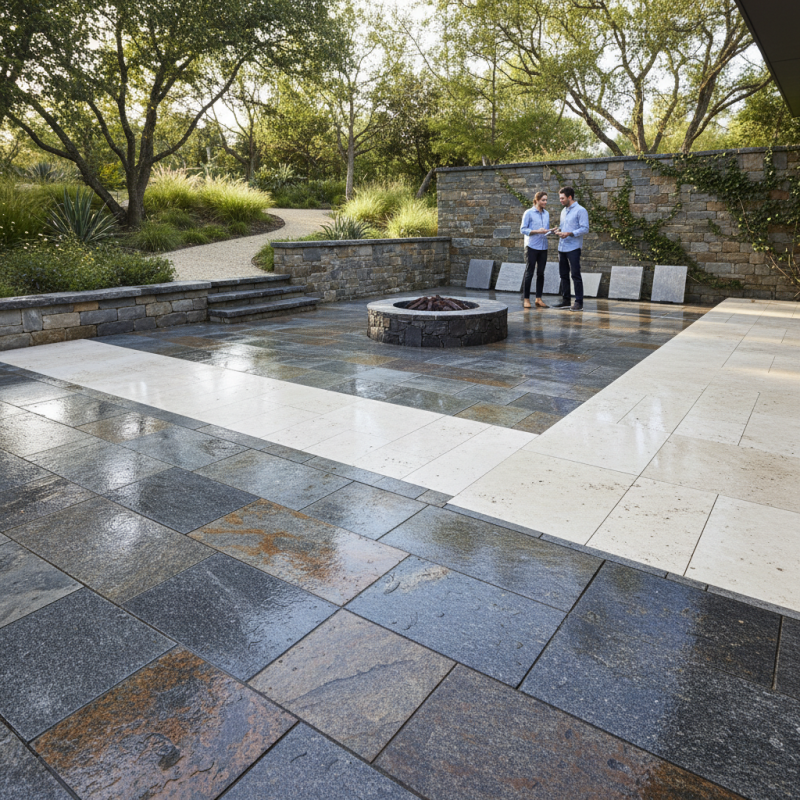
Which Stone is Easiest to Maintain Outdoors For Your Needs?

Factors to Consider When Choosing Outdoor Stones for Maintenance

When selecting outdoor stones, maintenance is key. Different stones require varying levels of care. For instance, porous stones like limestone may stain easily. Regular sealing can help but does add to upkeep.

Consider the local climate before making a choice. Some stones can crack in extreme temperatures. In damp environments, mold can also be an issue with certain materials. Granite is more resilient, but cleaning needs still arise.

Think about where the stones will be placed. High-traffic areas might suffer more wear and tear. Pea gravel provides great drainage but requires frequent raking. Reflecting on your options is vital for lasting beauty. What works for your neighbor might not work for you.

Comparing Durability and Long-Term Performance of Outdoor Stones

Choosing the right stone for outdoor applications revolves around durability and long-term performance. Certain stones, such as granite, are renowned for their resilience. A report from the Marble Institute states that granite can last over a century with minimal maintenance. It withstands harsh weather conditions, making it a top choice for patios and pathways.


Limestone, on the other hand, may appear aesthetically pleasing but has its drawbacks. It can be vulnerable to erosion and staining over time. The National Stone Institute indicates that limestone is best suited for mild climates and requires more upkeep to maintain its appearance. Regular sealing is often needed, which can become a burden.


When considering lifespan, sandstone also requires attention. While it offers unique colors and textures, it is less durable than granite. Studies show that sandstone is prone to cracking and fading, particularly in extreme temperatures. This stone can be beautiful but not practical for all outdoor settings. Evaluating the environmental impact and maintenance levels is crucial when making a choice.

Cost-Effectiveness: Budgeting for Your Outdoor Stone Needs

When considering outdoor stone options, cost-effectiveness is key. Many homeowners wonder how to balance quality with budget. A 2021 report from the National Association of Home Builders indicates that stone materials can vary significantly in price. For instance, natural stones like slate or granite might cost between $10 to $30 per square foot, while man-made stones can start as low as $5 per square foot.

Maintenance plays a vital role in overall costs. According to the Marble Institute of America, some stones require regular sealing and cleaning, which can add unexpected expenses. A homeowner can save money by choosing stones that are less porous, meaning they don't absorb water. For example, travertine often needs more upkeep due to its porous nature, leading to higher long-term costs. In contrast, quartzite is known for its durability and lower maintenance needs, making it more budget-friendly over time.

Additionally, installation costs should not be overlooked. According to the American Society of Landscape Architects, labor can account for upwards of 50% of the project's total expense. DIY installation may seem tempting, but incorrect placement can lead to expensive repairs later. Weighing material and labor costs is essential for any project. Selecting stones that are not only aesthetically pleasing but also practical can make a significant difference in long-term satisfaction and savings.

Maintenance Requirements of Popular Outdoor Stone Types

When choosing outdoor stones, maintenance is crucial. Different types have varied care needs. For instance, granite is known for its durability. It resists stains and requires minimal cleaning. However, it may chip over time, needing occasional repair.

Limestone, on the other hand, is more susceptible to damage and stains. It often requires sealing to protect its surface. Without proper care, it can wear down quickly. While it's beautiful, it demands more attention.

**Tips:** Regular cleaning can extend the life of your stones. Use mild soaps and water for routine care. Avoid harsh chemicals, as they can cause more harm than good. Seek expert advice when uncertain about maintenance. Understanding the specific needs of your chosen stone can help prevent future issues. Be prepared for some trial and error as you learn how to care for your outdoor space effectively.

Maintenance Requirements of Popular Outdoor Stone Types

Seasonal Care Tips for Keeping Your Outdoor Stones in Top Shape

Maintaining outdoor stones throughout the seasons can be challenging. Different types of stones have unique needs, and proper care is essential to keep them looking their best. Understanding the specific requirements of your chosen stone is the first step. For instance, softer stones may require more frequent sealing than harder varieties. Regular inspection is crucial; even small cracks can lead to bigger problems.

Cleaning is vital. Use a gentle pressure washer or a soft brush to remove dirt and debris. Avoid harsh chemicals that might damage the stone's surface. Seasonal changes can also affect your stone’s appearance. In winter, mulch or gravel can prevent ice buildup. In summer, an occasional rinse can wash away dust. Additionally, consider the effect of local vegetation. Overhanging branches can drop leaves, which may stain your stones.

When it comes to maintenance tools, choose them wisely. A simple broom can often do wonders. Reflect on how weather changes impact your stones. If they look worn, they may need a deeper cleaning or even restoration. Observing these small changes will help you maintain the beauty and integrity of your outdoor spaces.

FAQS

: What should I consider when choosing outdoor stones?

: Maintenance is crucial. Different stones require different levels of care and attention.

How does climate affect stone selection?

Some stones can crack in extreme temperatures. Others might develop mold in damp environments.

Why is granite a preferred option for outdoor use?

Granite is durable and can last over a century with minimal maintenance. It withstands harsh weather well.

What are the drawbacks of limestone?

Limestone looks nice but is prone to erosion and staining. It needs regular sealing, adding to upkeep.

How does sandstone compare to other stones?

Sandstone has unique colors but is less durable. It can crack and fade in extreme weather conditions.

What maintenance can I expect with pea gravel?

Pea gravel provides good drainage but requires frequent raking to stay neat and effective.

Should I avoid specific stones based on my location?

Yes, consider your local climate. What works in one area might not be suitable for another.

How can I reflect on my stone choices?

Evaluating your options is key. Think about aesthetics, durability, and maintenance for lasting beauty.

What happens in high-traffic areas?

Stones in these areas may wear down more quickly. Choosing a durable option is essential.

Is there an environmental impact to consider?

Yes, the lifespan and upkeep of stones affect your choice. Think about long-term sustainability and care.

Conclusion

When considering "which stone is easiest to maintain outdoors," several factors come into play. It's essential to evaluate durability and long-term performance, as these qualities determine how well a stone will withstand the elements and the test of time. Additionally, cost-effectiveness is crucial; understanding your budget for outdoor stone needs will guide your selection process.

Maintenance requirements vary among popular outdoor stone types, so familiarizing yourself with these specifics can help in making an informed choice. Furthermore, adopting seasonal care tips can ensure your chosen stone remains in top condition throughout the year. By carefully weighing these aspects, you can select the best outdoor stone that matches both your aesthetic preferences and practical maintenance requirements.

Oliver

Oliver

Oliver is a seasoned marketing professional with a wealth of expertise in driving brand awareness and engagement. With a deep understanding of our company's product offerings, he consistently delivers high-quality content that enriches our professional blog. His insights not only shed light on......