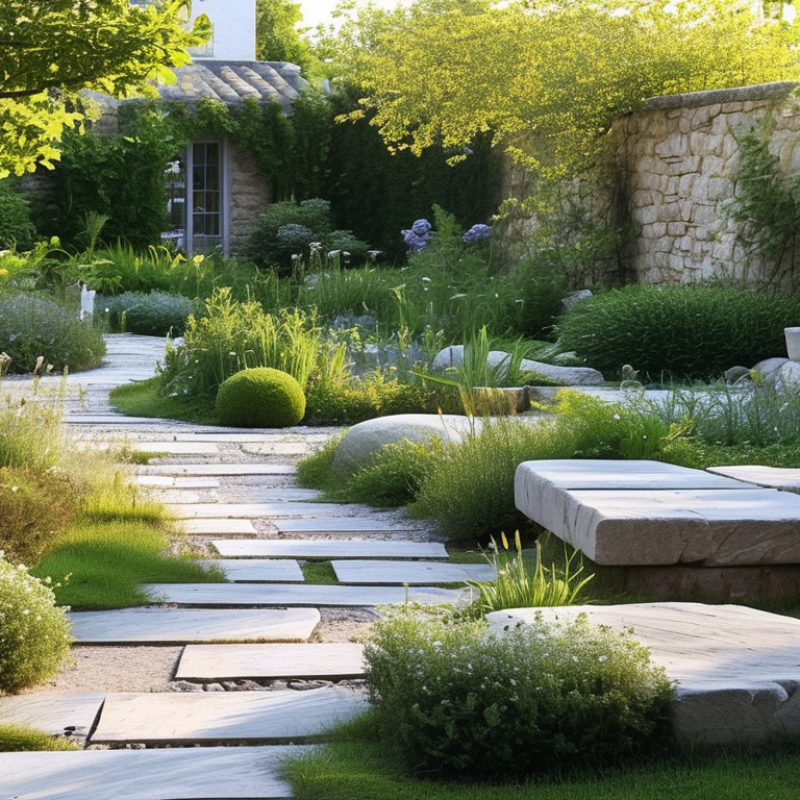
Creating a visually captivating garden can transform any outdoor space. If you’re wondering how to design a garden with natural stone, you’re in for a treat. Natural stone can add a rustic charm and elegance that is hard to replicate with other materials. Picture a winding pathway made of sandstone, leading to a tranquil seating area framed by lush greenery.
However, integrating natural stone requires thoughtful planning. It’s essential to consider the type of stone that complements your home. Different stones evoke different moods and aesthetics. For instance, slate offers a modern vibe, while limestone lends a classic touch. Understanding how each stone interacts with light and vegetation is key to achieving a balanced design.
Creating a stunning garden is not just about aesthetics; it also involves practical considerations. Maintenance can be a challenge. Some stones may require sealing or regular cleaning to maintain their appearance. Reflecting on these aspects will ensure your garden remains beautiful for years to come. By grasping how to design a garden with natural stone, you can cultivate a unique outdoor haven that resonates with your personal style.
Choosing the right natural stone plays a crucial role in garden design. Natural stone not only enhances aesthetics but also brings durability. According to a 2022 industry report, gardens featuring natural stone increase property values by up to 15%. This statistic highlights the economic benefits of integrating stone into your landscape.
When selecting stones, consider factors such as color, texture, and size. For instance, bluestone offers a cool tone that complements green foliage. On the other hand, sandstone provides warmer hues and a softer texture. Mixing different stones can create a visually compelling palette, while also reflecting personal style. However, be mindful of maintenance; some stones require regular sealing to prevent stains.
The location also matters. For pathways, select stones that provide good traction, even when wet. This reflects the importance of functionality alongside beauty. Evaluate your climate; some stones might not withstand freezing temperatures. Always research local suppliers for specific guidance. It's important to reflect on personal experiences when choosing; what works for one garden may not suit another.
Natural stone offers unique aesthetic appeal in landscaping. Its textures and colors enhance any garden. According to the National Association of Landscape Professionals, over 60% of landscape architects prefer natural stone for hardscaping projects. This choice highlights stone's ability to blend with various design elements.
Using natural stone can create focal points and pathways. For instance, a granite boulder can serve as a striking centerpiece. Meanwhile, limestone or slate can provide elegant pathways. The diversity of stone types allows for distinct styles, fitting both modern and traditional gardens. However, aesthetic choices should consider local climate impacts on stone durability.
Natural stone can be costly and difficult to source. Inconsistencies in color and texture may arise, leading to design challenges. A well-planned approach can mitigate these issues. Understanding stone maintenance is also crucial for long-term appeal. Regular cleaning and sealing can enhance its natural beauty. Integrating these elements will ensure a stunning garden that withstands the test of time.
| Feature | Description | Benefits | Examples |
|---|---|---|---|
| Color Variety | Natural stones come in various colors, from muted earth tones to vibrant hues. | Enhances visual appeal and gives the garden unique character. | Sandstone, Slate, Granite |
| Texture | Natural stones have varying textures; rough, smooth, or polished finishes are available. | Creates depth and tactile interest in landscaping. | Limestone, River Rock, Flagstone |
| Durability | Natural stones are extremely durable and withstand weather conditions. | Reduces maintenance and long-term replacement costs. | Granite, Basalt |
| Eco-Friendly | Natural stones are sustainable and do not harm the environment. | Promotes a greener approach to landscaping. | Recycled Stones, Natural Quarry Stones |
| Versatility | Can be used in various applications like pathways, walls, and patios. | Accommodates different design styles from rustic to modern. | Stepping Stones, Retaining Walls |
When designing a garden around natural stone, it's vital to plan your layout thoughtfully. Research shows that incorporating stone features can increase property value by up to 20%. This statistic highlights the importance of integrating natural elements into your outdoor space.
Begin by assessing the stone characteristics. Large boulders can serve as focal points, while smaller stones can create pathways. Strategically placing these features can define areas for plants. For instance, using flat stones for seating or raised beds can enhance functionality. However, be cautious—overcrowding with stone can lead to a cluttered appearance. Select stones that harmonize with your plant choices.
Consider the seasonal changes in your garden. Data from landscape architecture studies indicate that visual interest can diminish in winter. To address this, plant evergreens near stone features. Their year-round foliage complements the texture of stones. Reflect on your choices, ensuring a balance between stone and greenery. This harmony is crucial for creating a stunning garden that appeals throughout the year.
Incorporating natural stone into your garden can create stunning pathways, walls, and borders. When designing a pathway, consider using flat stones. They provide a rustic appeal and are easy to walk on. Arrange them in a random pattern for a more organic feel. Ensure gaps between the stones to allow grass or moss to grow. This adds charm and encourages wildlife.
For garden walls, choose large stones for a strong presence. A low stone wall can define spaces beautifully. It can serve as a backdrop for your plants. Use a mix of sizes and shapes to create visual interest. Remember to check for stability; a secure wall can last for years. A wall that leans or is uneven may require adjustments, but it can also give character.
Borders made of smaller stones can frame your flower beds. They keep soil in place and prevent grass from crawling in. Use crushed stone or rounded pebbles for a softer look. Be mindful of the color palette; the stones should complement your plants. Don't be afraid to experiment with different layouts, though some may not work as you intended. Each choice teaches you about balance and aesthetics in garden design.
Natural stone can enhance the beauty of your garden, but it requires regular care. Over time, moss and algae may grow on the surface. This not only diminishes appearance but can be slippery. Regularly inspecting your stone elements is crucial. A quick rinse with water keeps them looking fresh. For stubborn stains, use mild soap and a soft brush.
Weather changes impact natural stone too. Extreme heat or cold can cause cracks over time. Sealing the stone helps protect it from the elements. Reseal every few years for the best results. Take time to observe how sunlight affects stone placement. Shadows can create different moods throughout the day.
Proper drainage is vital to prevent water pooling. Standing water can cause discoloration and damage the stone. Consider sloping the ground away from stone pathways. This allows rainwater to flow freely. Lastly, stay attentive to any changes. A small issue today can become a bigger problem tomorrow. It’s important to regularly tend to your garden’s stone features for lasting beauty.
: Natural stone enhances aesthetic appeal and blends well with various design elements in any garden.
Large boulders can serve as focal points, while smaller stones can create functional pathways and define plant areas.
Consider the stone characteristics, seasonal changes, and how they harmonize with your plant choices.
Regular cleaning and sealing are important to maintain the stone's natural beauty and prolong its durability.
Use flat stones in random patterns. Ensure gaps for moss or grass to grow, adding charm to the pathway.
Yes, incorporating natural stone features can increase property value by up to 20%, offering aesthetic and economic benefits.
Sourcing costs, color inconsistencies, and design challenges need careful planning to mitigate issues for a cohesive look.
Visual interest may decline in winter; planting evergreens near stone features maintains appeal year-round.
Overcrowding can create a cluttered appearance, undermining the overall beauty and harmony of the garden.
Use smaller stones for borders to keep soil in place and complement the color palette of your plants.
Designing a stunning garden with natural stone involves careful consideration of various elements. First, it is crucial to choose the right type of natural stone that complements your garden's aesthetic. Different stones, such as granite, limestone, and slate, can significantly enhance the visual appeal and texture of your landscape. Understanding the unique qualities of each stone will guide you in making the best selection.
Next, planning your garden layout around these natural stone features is essential for creating a cohesive design. Consider incorporating natural stone in pathways, walls, and borders to add structure and depth to your garden. Additionally, maintaining and caring for the natural stone will ensure its longevity and keep your garden looking pristine. By following these guidelines on how to design a garden with natural stone, you can create a beautiful and inviting outdoor space that harmonizes with nature.

Tranquix Stone