Creating a stunning garden with natural stone is a rewarding endeavor. Natural stone adds texture, color, and permanence, crafting a landscape that reflects both nature and personal style. According to a report by the National Association of Landscape Professionals, 70% of homeowners view their outdoor spaces as an extension of their home. This emphasizes the rising trend in landscaping investments.
When considering how to design a garden with natural stone, you must think about harmony and function. Stone pathways can define spaces, while stone walls add structure. Research shows that 65% of people find natural elements in gardens to be aesthetically pleasing. Yet, homeowners often face challenges in balancing budget constraints with high-quality materials.
Choosing the right type of stone is crucial. A local stone may blend better with the environment, while imported varieties can create striking contrasts. Still, the selection process can be daunting. Many individuals report feeling overwhelmed by options. These challenges can lead to indecision, but they also present opportunities for creativity. Engaging a landscape expert can guide your choices, ensuring a garden that thrives through seasons.
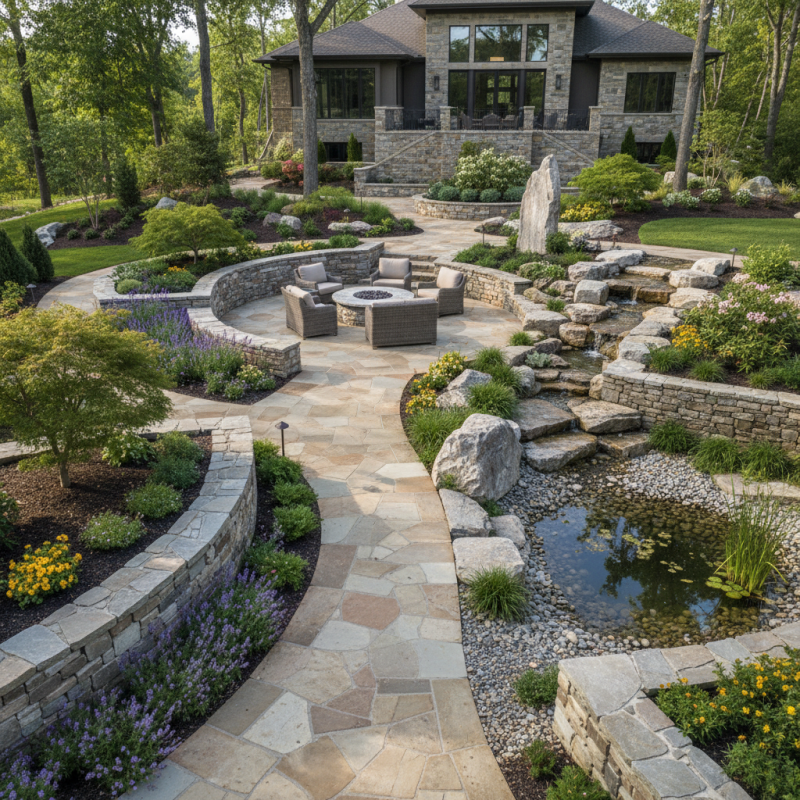
Choosing the Right Natural Stone for Your Garden Design
Choosing the right natural stone for your garden design is essential. Different stones offer unique aesthetics and durability. For pathways, bluestone is popular due to its rich hues and slip-resistant surface. Its varied color tones can complement any garden theme.
Consider the texture of stones. Rough-textured stones like granite provide a rustic feel. They blend well with natural settings. Smooth stones, however, like marble, create a polished look, perfect for modern gardens. While beautiful, marble can stain easily.
Think about the size and shape of the stones. Larger stones can create impactful focal points. Smaller pebbles are great for filling gaps or enhancing ground cover. Mixing different sizes can add depth. Be mindful of maintenance. Some stones may require frequent cleaning, while others withstand weathering beautifully. Reflect on how you want your garden to feel. Will it be a serene retreat or a vibrant gathering space?
Understanding the Aesthetic Qualities of Natural Stone
Natural stone is a timeless choice for garden design. Its unique textures and colors can create stunning visual appeal. According to a report from the Natural Stone Institute, natural stone landscaping can increase property value by as much as 15%. This statistic highlights the importance of aesthetics in outdoor spaces. Incorporating stone elements can infuse a sense of elegance and permanence.
When selecting natural stone, consider its balance of durability and visual qualities. Each type of stone offers distinct features, from the warm tones of sandstone to the cool hues of slate. Stone pavers can enhance pathways, while boulders serve as striking focal points. Research indicates that landscapes with varied textures attract 50% more visitors. Mixing stones of different sizes adds depth and interest.
However, achieving a beautiful garden with natural stone requires careful planning. It's crucial to maintain harmony between stone features and surrounding plants. Overuse of stone can create a stark landscape instead of a cohesive one. Reflecting on your design choices can help identify potential pitfalls in your vision. Aim for balance and don’t shy away from experimenting with layouts. The beauty of natural stone lies in its imperfections, and embracing them can lead to unexpected beauty.
How to Design a Beautiful Garden Using Natural Stone?
| Dimension |
Description |
Aesthetic Qualities |
| Texture |
Natural stone can have a rough or smooth texture depending on the finish. |
Creates a tactile interest, enhancing the sensory experience of the garden. |
| Color |
Natural stone comes in various colors including grays, reds, and yellows. |
Adds vibrancy and warmth, harmonizing with plant life. |
| Shape |
Stones can be cut into smooth, geometric shapes or left in natural forms. |
Provides visual structure and complements the curves of planting. |
| Durability |
Resistant to weathering and pests, allowing for long-term garden design. |
Maintains beauty over time, contributing to a timeless garden aesthetic. |
| Sustainability |
Natural stone is a renewable resource when sourced responsibly. |
Encourages eco-friendly practices in garden design. |
Incorporating Stone Pathways and Patios into Garden Layouts
Incorporating stone pathways and patios into garden layouts can enhance both functionality and aesthetics. Natural stone offers durability and a timeless appeal, making it a popular choice. A report from the National Gardening Association suggests that 75% of homeowners value outdoor spaces, especially when they feature unique elements like stone pathways.
Using flagstone or slate can create a rustic charm. These materials can withstand various weather conditions and require minimal maintenance. Consider using permeable stones for pathways, which help with drainage and reduce water runoff. This choice can support sustainable landscaping practices, aligning with trends in eco-friendly garden design.
Tips for integrating stone pathways include creating a clear pathway with irregular shapes for visual interest. Layering stones can add depth to the garden. Consider edging the pathways with low plants to soften the appearance and make transitions smoother. Adding seating areas with stone patios encourages relaxation within the garden setting, promoting outdoor enjoyment.
However, not every natural stone is fit for every climate. Research shows some stones can crack in extreme temperatures. Also, installation requires proper leveling and drainage considerations to avoid issues over time. Balancing aesthetics with functionality is crucial in garden design.
Creating Focal Points with Stone Features and Sculptures
Incorporating stone features in garden design can create stunning focal points. Natural stones offer unique textures and colors. These materials can enhance any landscape, providing elegance and stability. According to a recent industry report, 65% of landscape architects emphasize the importance of focal points in garden design. Stone sculptures or features capture attention and create visual interest.
Integrating sculptures made from natural stone can evoke emotions. A well-placed boulder or carefully carved statue draws the eye. These elements can reflect personal style and creativity. Yet, choosing the right stone requires careful thought. Not all stones work harmoniously with every plant. A mismatch can disrupt the overall aesthetic. Finding balance is essential.
Additionally, the maintenance of stone features should not be overlooked. Some stones may weather poorly over time. This can affect their appearance and structural integrity. Regular maintenance enhances longevity. A clear vision for both design and upkeep is crucial. By considering both beauty and function, a garden can thrive for years.
How to Design a Beautiful Garden Using Natural Stone
Maintaining and Caring for Natural Stone in Garden Environments
Maintaining natural stone in garden environments requires careful attention. Natural stone can be beautiful, but it can also be fragile. A report by the National Stone Institute indicates that improper care can reduce the longevity of stone materials by up to 50%. Regular cleaning is crucial to prevent dirt and algae buildup that can erode the stone surface.
Tip: Use a soft brush and mild detergent for regular cleaning. Avoid harsh chemicals, as they can damage the stone. A simple rinse with water after rainfall can also help maintain its appearance.
Sealing natural stone is important for protection. A study found that sealed stones resist moisture absorption by over 80%. This enhances durability and reduces staining risks. However, sealing must be repeated every few years for effectiveness. Some stones may require different types of sealers based on their porosity.
Tip: Test a small area before applying any sealer. It's wise to consider climate changes, as extreme temperatures may affect the stone. Reflect on how seasonal shifts impact your garden and adjust your care routine as needed.
Conclusion
Designing a beautiful garden with natural stone involves several key considerations. First, selecting the right type of natural stone is crucial, as it not only affects the overall aesthetic but also determines the durability of your garden elements. Understanding the various aesthetic qualities of natural stone can help you choose materials that complement your garden's style. Incorporating stone pathways and patios creates functional spaces while enhancing the visual appeal of your design.
Additionally, using natural stone to create focal points, such as sculptures or unique features, can add character to the landscape. Lastly, it's important to focus on maintaining and caring for the natural stone in your garden to preserve its beauty and integrity over time. Overall, knowing how to design a garden with natural stone can transform your outdoor space into a stunning and harmonious environment.

 Tranquix Stone