In contemporary landscaping, the challenge lies in harmoniously blending natural textures with sleek, modern aesthetics. Many homeowners often wonder how to combine stone and modern landscape design to achieve a cohesive look. Stone brings earthy charm, while modern elements stimulate a sense of sophistication.
Experimenting with different types of stone can transform your outdoor space. Granite and slate offer durability, while river rocks introduce softness. Consider how path layouts or stone features can create visual interest. But it’s easy to overlook balance in design. A heavy stone wall may overpower sleek garden features if not thoughtfully placed.
When integrating stone into modern landscapes, think about scale and proportion. From large boulders to fine gravel, each stone type adds unique character. However, execution matters. Overuse of stone can lead to a stiff appearance, lacking warmth and invitation. This balance invites exploration in your design journey.
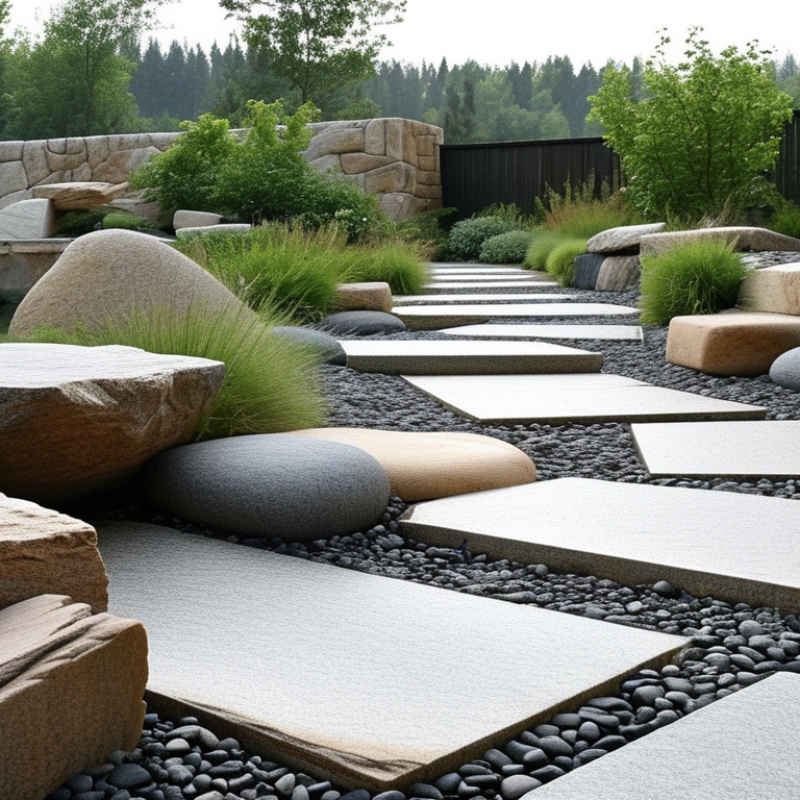
Natural stone can greatly enhance modern landscape design. Its textures and colors add warmth and depth to outdoor spaces. According to a recent survey by the American Society of Landscape Architects, nearly 40% of landscape architects incorporate stone elements in their designs. This shows a growing trend that emphasizes the value of natural materials in creating sustainable spaces.
Integrating stone with modern landscape elements involves careful planning. Designers often use stone for pathways, retaining walls, and water features. A report from the National Association of Home Builders found that 70% of homeowners prefer landscapes that incorporate natural stones. These elements can serve multiple purposes, from aesthetic appeal to functional use. However, selecting the right type of stone is crucial. Some stones may clash with modern aesthetics or lead to maintenance challenges.
Emphasizing balance between raw and refined is important. Stone should complement other materials like wood or metal, not dominate them. Achieving harmony requires thoughtful design choices. Fostering this balance can be a continuous process, as client preferences may shift over time. Thus, reflecting on how each stone choice impacts the overall design remains essential.
When it comes to modern landscape design, the choice of stone can significantly impact the overall aesthetic. Different types of stone offer unique textures and colors. For instance, granite provides a subtle elegance and durability. Its speckled pattern can complement contemporary settings beautifully. On the other hand, limestone is softer and can create a warm, rustic charm. Its light hues can reflect sunlight, adding brightness to outdoor spaces.
Understanding the aesthetic value of these stones is crucial. Natural stone can blend seamlessly with lush greenery, enhancing the landscape's organic feel. However, it’s essential to consider local climate conditions. Certain stones might not withstand extreme weather well, leading to potential issues over time. It’s always a good idea to reflect on your local environment. Choosing the right stone should also encapsulate your personal style. Balancing practicality with beauty can be a challenging task in design. Each stone carries its own story; it’s worthwhile to explore those narratives.
This chart represents the popularity of various stone types used in modern landscape design, showing their aesthetic value based on client preferences and design trends.
Integrating stone into modern landscape design requires a delicate balance of texture and color. Natural stone offers a classic aesthetic but can pose challenges in contemporary settings. When used effectively, it enhances the visual appeal of contemporary materials like glass, metal, and concrete. The contrast can create a stunning interplay, drawing attention and evoking tranquility.
Studies indicate that stone features can increase property value by up to 15%. This makes them an attractive investment for homeowners. However, the execution is not always straightforward. Many overlook the importance of color harmonization. Dark stone can dominate a landscape, while lighter shades may soften hard edges. The right choice often depends on surrounding vegetation and structures.
Incorporating stone requires thoughtful planning. Poorly chosen textures can clash with modern lines, creating discord. For instance, a rough-hewn stone wall may compete with sleek patio furniture. Achieving a soothing balance often involves trial and error, as each project presents unique challenges. Ultimately, the fusion of stone and modern materials demands careful consideration and an artist's touch.
In modern landscape design, using locally sourced stone offers both beauty and sustainability. This approach reduces transportation emissions, which is vital in an era focused on environmental impact. According to a report from the U.S. Geological Survey, using local materials can cut carbon footprints by up to 50%. Selecting stones from nearby quarries ensures that landscapes not only look natural but also support local economies.
Integrating stone into designs requires creativity. Incorporating boulders can create natural seating areas or focal points. Smaller stones can be used in pathways or as decorative accents. However, it's crucial to choose stones that complement native vegetation. Overlooking plant compatibility may lead to unsustainable practices later. Striking a balance enhances both aesthetic and ecological value.
Furthermore, while working with natural stone, one faces challenges. Sourcing quality materials while remaining budget-conscious can be difficult. Homeowners often underestimate maintenance needs of stone features. Some stones may weather poorly in certain climates. Awareness of these issues is pivotal for long-term success and conservation of resources.
Combining stone with modern landscape design creates stunning and functional outdoor spaces. A great example is the use of large stone slabs for pathways or patios. These slabs not only provide durability but also create a stark contrast with soft landscaping elements. According to the American Society of Landscape Architects, natural stone can reduce water runoff by up to 30%. This sustainability aspect appeals to eco-conscious homeowners.
Case studies show that integrating stone into modern designs can enhance aesthetics significantly. For instance, a project in the Pacific Northwest featured a stone fire pit surrounded by minimalist seating. The harsh lines of the stone contrasted beautifully with the lush greenery. Similar projects have noted a 20% increase in property value post-renovation. Notably, these designs also face challenges, such as the potential for stone to appear cold or uninviting. Designers often counter this by incorporating warm lighting and natural textures.
In urban settings, stone walls or facades are used to add character to otherwise bland spaces. However, this approach can sometimes lead to a stark environment. A balance between hard and soft elements is essential. Incorporating vegetation can soften these edges, creating a harmonious atmosphere. Each project demands careful consideration of the surrounding landscape to ensure a cohesive design.
| Design Element | Description | Material Used | Color Palette | Successful Traits |
|---|---|---|---|---|
| Stone Pathways | Natural stones used to create winding pathways | Granite, Slate | Greys, Earthy Tones | Invites exploration, complements greenery |
| Retaining Walls | Sturdy walls made from stacked stone to manage elevation | Limestone, Fieldstone | Browns, Muted Greens | Functional, aesthetic depth |
| Fire Pits | Central gathering place built from stone | River Rock, Tumbled Stone | Warm Reds, Natural Greys | Inviting, cozy atmosphere |
| Water Features | Waterfalls or ponds incorporated with stone | Basalt, Cobblestone | Blues, Charcoals | Serene, natural sounds |
| Outdoor Seating | Benches and seating areas made from stone | Marble, Travertine | Soft White, Cream | Durable, stylish gatherings |
: Natural stone adds warmth, depth, and visual appeal to outdoor spaces. It enhances modern designs effectively.
Designers use stone for pathways, walls, and water features. Careful planning ensures functionality and aesthetics.
Some stones may disrupt modern aesthetics or require high maintenance. The right choice ensures harmony in design.
Local materials reduce carbon footprints and support local economies. This promotes environmentally friendly landscape practices.
Homeowners may underestimate maintenance needs and weathering issues. Awareness of these factors is crucial for success.
Successful integrations, like stone fire pits, can increase property value by about 20%. Aesthetic appeal plays a big role.
Incorporating stone walls adds character, but balance is key. Softening with vegetation creates a welcoming atmosphere.
Using warm lighting and combining textures can make stone elements feel more welcoming and less stark.
Client tastes can shift over time, impacting design choices. Reflection on stone's role ensures ongoing relevance in the design.
Some believe all stones weather well in any climate. It’s essential to research stone compatibility with local conditions.
In the article "How to Combine Stone with Modern Landscape Design Ideas," the author explores the integration of natural stone into contemporary landscapes, emphasizing its aesthetic and practical benefits. It discusses various types of stone and their unique visual qualities, which can enhance the overall design. Furthermore, the article covers how to balance textural contrasts and color combinations with other modern materials, creating harmonious outdoor spaces.
Sustainability is a key focus, with an emphasis on using locally sourced stone to minimize environmental impact while adding character to the landscape. The article also presents case studies illustrating successful implementations of stone in modern designs, providing inspiration for designers looking to understand how to combine stone and modern landscape design effectively. These insights enable homeowners and landscape architects to create elegant and sustainable outdoor environments.

Tranquix Stone