Maintaining cobblestone surfaces is crucial for their longevity and aesthetic appeal. Renowned cobblestone expert, John Smith, emphasizes, "A little preventive care can go a long way." Understanding how to clean and maintain cobblestone is essential for homeowners and property managers alike. Proper cleaning techniques and maintenance routines not only preserve the stones but also prevent costly repairs in the future.
Regular cleaning involves sweeping away debris and using a gentle pressure washer for deeper stains. Many neglect these simple tasks, which can lead to unsightly weeds or even damage over time. The right cleaning solutions play a pivotal role; harsh chemicals can weaken stone integrity. It's vital to choose eco-friendly options for both safety and effectiveness.
Incorporating regular sealing can extend the life of your cobblestones. However, sealing too often can trap moisture, creating problems. Balancing maintenance efforts is key; too little care neglects the stones, while excessive care may lead to harm. Knowing how to clean and maintain cobblestone effectively involves a mix of diligence, observation, and patience.
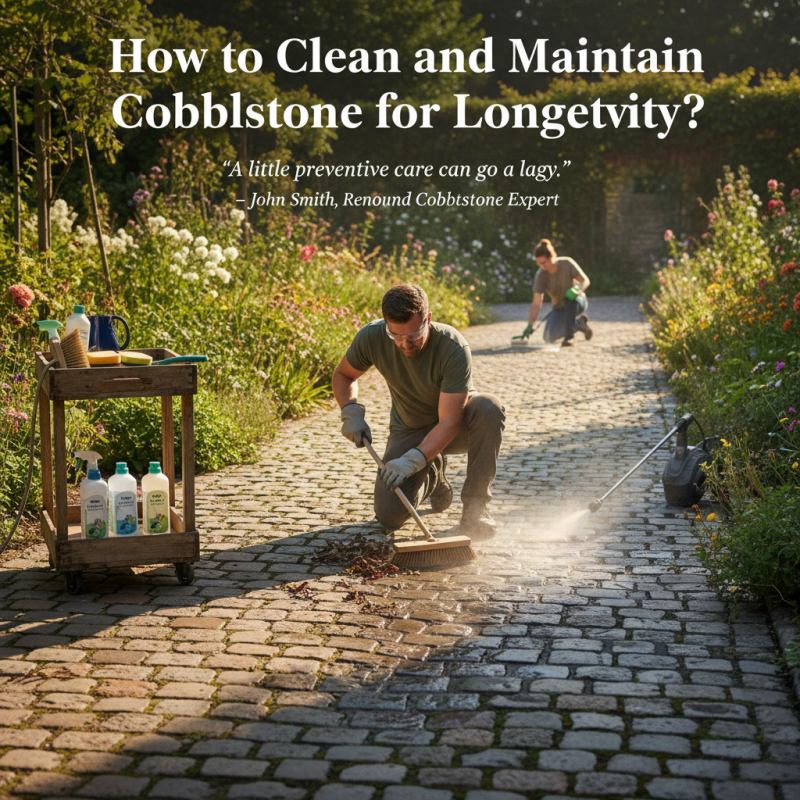
Cobblestone features unique characteristics that make it a favored choice for various outdoor spaces. Its natural stone texture offers robust durability, ensuring resistance to harsh weather. The variety of shapes and colors adds charm, enhancing the aesthetic appeal of walkways and driveways. However, one must recognize that its uneven surface can pose challenges for maintenance.
The benefits of cobblestone extend beyond visual appeal. It is eco-friendly, allowing rainwater to drain naturally, reducing runoff. This characteristic supports local ecosystems. Yet, cobblestonemay shift over time, leading to uneven surfaces or gaps that can collect debris. Addressing these issues promptly maintains safety and appearance. Cleaning is essential but can be labor-intensive. Regularly removing weeds and debris is critical to preserve its integrity.
In summary, understanding cobblestone's characteristics and benefits helps ensure its longevity. While it requires effort to maintain, the visual rewards and environmental advantages make it a worthwhile investment. A proactive approach to cleaning and repairs can help prevent costly replacements in the future.
When maintaining cobblestone, having the right tools is essential for effective cleaning. First, invest in a stiff-bristled broom. This will help remove dirt and debris without damaging the stones. Additionally, a pressure washer can effectively clean stubborn stains. However, be cautious with the pressure setting to avoid dislodging the stones.
For smaller gaps and crevices, a wire brush is invaluable. It allows for targeted cleaning in hard-to-reach areas. A bucket and a good-quality mop or sponge are also essential. Use them to apply cleaning solutions evenly across the surface.
Tips: Regular maintenance is key. Check for loose stones and re-set them promptly. Use a sealant designed for cobblestone to protect against water damage. Try to avoid harsh chemicals that can erode the surface. Lastly, never underestimate the importance of regular sweeping to prevent buildup, which can lead to more significant issues.
Cleaning and maintaining cobblestone surfaces can enhance their longevity and visual appeal. Regular maintenance helps prevent weeds and moss growth. According to the National Association of Landscape Professionals, neglect can lead to costly repairs or replacement. Using proper techniques ensures your cobblestones last for decades.
To begin, remove loose debris with a broom or blower. For stains, a mixture of warm water and mild detergent works well. Apply it with a stiff brush to avoid damage. Rinse thoroughly to prevent residue buildup. If you notice weeds, consider a vinegar solution. It effectively kills them without harsh chemicals.
Tips: Avoid heavy machinery to clean cobblestones. It can shift or crack stones. Instead, use gentle methods to preserve the structure. Additionally, inspect joints for erosion. Filling them promptly with sand can prevent water infiltration and maintain stability. Over time, a well-maintained cobblestone surface remains beautiful and functional.
Maintaining cobblestone surfaces presents unique challenges. One major issue is weed growth. Weeds can break through cracks, compromising the stones' placement. To tackle this, regularly remove them by hand or apply a natural herbicide. Focus on the joints between stones where weeds tend to sprout. This proactive approach can noticeably reduce weed problems.
Another challenge is water drainage. Poor drainage can lead to pooling water, which may shift the stones over time. Ensure proper grading around the cobblestones. Installing a drainage system can be an effective solution. It's vital to monitor how water flows after heavy rainfall. Look for signs of erosion or shifting stones.
Moreover, cobblestone surfaces can become stained from various sources. Oil spills, dirt, and algae are common culprits. For cleaning, use a mixture of water and mild soap. A stiff brush can help scrub away stains without damaging the stone. Sealers may help protect against stains, but they require regular reapplication. It’s a never-ending process to keep cobblestone looking pristine, and every homeowner must remain vigilant.
| Challenge | Description | Solution | Frequency of Maintenance |
|---|---|---|---|
| Weed Growth | Weeds can grow in between the stones, causing uneven surfaces. | Regularly apply weed killer and manually remove weeds. | Every 3-4 months |
| Moss Accumulation | Moss can make cobblestones slippery and unattractive. | Clean with a pressure washer and use moss inhibitors. | Bi-annually |
| Stains and Dirt | Oil, dirt, and grime can stain the surface. | Use a pH-neutral cleaner and a scrub brush. | Monthly |
| Loose Stones | Over time, stones may shift and become loose. | Have a professional relevel the stones when needed. | As needed |
| Drainage Issues | Poor drainage can lead to water pooling and damage. | Ensure proper drainage with grading and drainage systems. | Annual inspection |
Cobblestone surfaces offer beauty and durability, but neglect can lead to deterioration. To extend their lifespan, regular preventive measures are essential. Start by inspecting your cobblestones for cracks or loose stones. Identifying issues early can prevent further damage. A proactive approach goes a long way in maintaining the integrity of your paving.
Cleaning is crucial. Use a biodegradable soap and a stiff-bristled brush to remove dirt. Avoid harsh chemicals that may damage the stones or surrounding flora. Rinse with water, but don’t flood the area. Instead, use a hose with a gentle spray to avoid dislodging stones. After cleaning, check for any stones that may have shifted. Adjust them as needed, ensuring they fit snugly together.
Weeds are relentless. They can undermine your cobblestone surface. Consider applying a layer of sand between the stones to deter weed growth. However, be cautious; too much sand can create an unsightly layer. Additionally, sealing cobblestones can protect them from weather damage. But remember, sealing does wear out. Regular reapplication is necessary, so plan your maintenance schedule accordingly.
: Cobblestone features a natural stone texture, is durable, and has various shapes and colors. It creates charming outdoor spaces.
Cobblestone is eco-friendly as it allows rainwater to drain naturally. This reduces runoff and supports local ecosystems effectively.
Cobblestone can shift over time, causing uneven surfaces or gaps. These can collect debris and may pose safety hazards if unaddressed.
Use biodegradable soap and a stiff-bristled brush. Rinse gently with water to avoid displacing stones during the cleaning process.
Apply a layer of sand between the stones to deter weed growth. Be careful not to overdo it, as it may look unattractive.
Early identification of cracks or loose stones can prevent further damage. Regular inspections help maintain the integrity of your cobblestone.
Sealing cobblestones is necessary but requires regular reapplication. Plan a maintenance schedule to ensure ongoing protection from weather damage.
Yes, cleaning cobblestones can be labor-intensive. Regularly removing weeds and debris is crucial to maintain their appearance and integrity.
In the article "How to Clean and Maintain Cobblestone for Longevity," readers will gain valuable insights into the characteristics and advantages of cobblestone surfaces. Understanding these features is crucial for effective maintenance. The article highlights essential tools required for proper cleaning and upkeep and provides a comprehensive step-by-step guide that outlines the best practices for maintaining cobblestone surfaces. It also addresses common challenges faced during cobblestone maintenance, along with practical solutions to overcome them.
Additionally, the article emphasizes preventive measures that can extend the lifespan of cobblestones, ensuring they remain both functional and aesthetically pleasing. By following the outlined tips on how to clean and maintain cobblestone, homeowners and caretakers can preserve the beauty and durability of their cobblestone installations for years to come.

Tranquix Stone