When planning a patio, choosing the right stone is crucial. It sets the tone for your outdoor space. The decision can be overwhelming, given the variety of stone options available. Understanding how to choose stone for patio design can enhance both the look and functionality of your space.
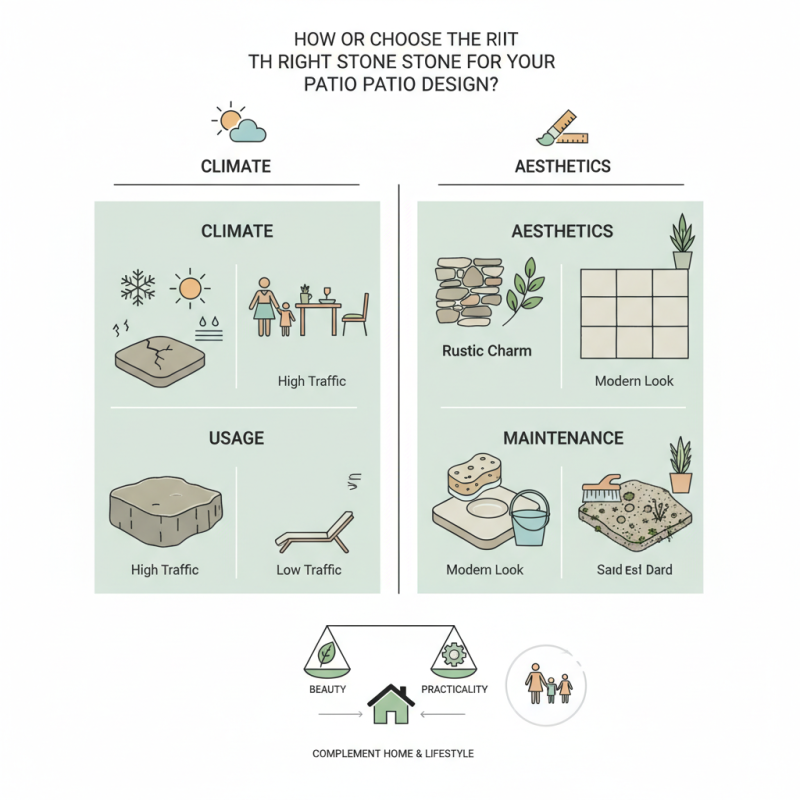
Different stones have unique characteristics. Some are durable but heavy. Others may add beauty but lack longevity. You need to consider climate, usage, and aesthetics. Do you want a rustic charm or a modern look? Reflecting on these aspects is vital to making the right choice.
Think about maintenance as well. Some stones require more upkeep than others. Realizing this can save you time and effort in the long run. Ultimately, the perfect patio stone should complement your home and lifestyle. It’s not just about appearance; it’s about finding a balance between beauty and practicality.
When selecting the right stone for your patio, understanding the different types available is crucial. Several common choices include granite, slate, limestone, and flagstone. Each stone type has distinct characteristics that can impact both aesthetics and durability. According to a report by the National Association of Home Builders, about 70% of homeowners prefer natural stone for outdoor design because of its longevity and unique appearance.
Granite is known for its durability, making it ideal for high-traffic areas. It is resistant to scratches and moisture, suitable for various climates. Slate, on the other hand, offers a sophisticated look with its natural color variations. However, it can be more prone to cracking in extreme weather. Limestone provides a softer texture and a more rustic feel but may require sealing to protect against stains.
It's essential to consider the maintenance requirements of each stone type. While some stones like granite demand less care, others may need regular sealing. A survey by the American Institute of Architects indicates that 60% of architects recommend careful stone selection based on local weather patterns and usage rates. This could be an opportunity for thoughtful decision-making. Evaluate your lifestyle and the regional environment to choose the stone that aligns best with your patio vision. Think critically about how each stone type fits into your long-term plans.
Choosing the right stone for your patio involves both aesthetic and functional considerations. Think about color, texture, and size. A natural stone may add beauty, while concrete pavers offer a uniform look. Stone selection can dramatically impact your outdoor space.
When evaluating options, consider the climate. Some stones are more prone to stains in humid areas. Others might crack in extreme cold. Understanding these factors is crucial. Think about maintenance too; certain stones need sealing, while others require minimal upkeep.
Tips:
With careful thought, you can achieve a balance between beauty and practicality. Each stone tells a story, so take your time to find one that resonates with your vision.
Choosing the right stone for your patio is critical for both aesthetics and functionality. When assessing durability, consider how different stones withstand weather changes, foot traffic, and stains. Natural stones like granite are known for their toughness. However, softer stones, like limestone, may require more upkeep.
Maintenance is another key factor. Some stones need sealing every few years, which can add to long-term costs. Cleaning methods vary, too. High-pressure washing might damage softer stones while gentle scrubbing may suffice. Regular maintenance is essential to prolong the life of any stone.
Tips: Always check how porous the stone is. This affects staining and water absorption. Test your chosen stone in various weather conditions if possible. Remember, beauty shouldn't come at the cost of practicality. Reflect on your lifestyle: will you have kids or pets? Their activities could wear down softer stones quickly.
Choosing the right stone for your patio design is not just about aesthetics. Budgeting for stone selection plays a crucial role in the process. Understanding your budget helps narrow down choices significantly. Natural stones, like granite or limestone, can be expensive but offer durability. Man-made options may be cheaper, but they might lack the same charm.
Start by determining your overall patio budget. Consider all costs, including installation and maintenance. You might find that spending a bit more upfront leads to savings later. Look for local suppliers offering high-quality stones at competitive prices. Visit different stores, compare options, and ask for samples whenever possible.
Remember to factor in the long-term value of your stone choice. Cheaper materials might require replacement sooner than expected. Reflect on how often you entertain outdoors and what weather conditions your patio will face. Prioritizing functionality alongside aesthetic appeal allows for better decision-making. A carefully planned budget combined with thoughtful stone choices can significantly enhance your outdoor space.
| Stone Type | Cost per Square Foot | Durability | Maintenance Level | Aesthetic Appeal |
|---|---|---|---|---|
| Flagstone | $15 - $20 | High | Low | Natural Look |
| Slate | $10 - $18 | Medium | Medium | Elegant |
| Granite | $25 - $40 | Very High | Low | Sophisticated |
| Limestone | $5 - $12 | Medium | High | Rustic |
| Sandstone | $6 - $15 | Medium | Medium | Warm |
When selecting the right stone for your patio, environmental factors must be prioritized. Each stone type has unique properties that can influence both aesthetics and sustainability. For instance, natural stones like slate, granite, and limestone vary widely in durability and adaptability to local climates. According to a report by the Natural Stone Institute, these materials have life expectancies of over 100 years with proper care. This longevity can offset initial costs and contribute to long-term ecological benefits.
Moreover, sourcing stones locally reduces transportation emissions and enhances the project's sustainability. The Earth Friendly Stone Association highlights that using regionally sourced materials often results in a 50% decrease in carbon footprint compared to importing stones from distant quarries. On the other hand, opting for synthetic pavers may appear more efficient initially. However, these products often rely on non-renewable resources and may not have the same lifespan or environmental benefits as natural stones.
Consider the microclimate of your patio as well. For example, shaded areas may benefit from stones with higher moisture retention, like slate, while brightly lit areas require stones that withstand heat without fading. Choosing the right stone is nuanced and deserves careful thought. Balancing aesthetic desires with environmental impact creates a patio that is both beautiful and responsible.
: Consider durability, maintenance, and aesthetics. Test stones in weather conditions to ensure they fit your needs.
Natural stones like granite are tougher, while softer stones such as limestone may require more upkeep.
Some stones need sealing every few years. Regular maintenance prolongs the life of your stone choice.
Gentle scrubbing works well for many stones. High-pressure washing can damage softer stones; be cautious.
Sourcing stones locally reduces transportation emissions. It can significantly decrease your project’s carbon footprint.
Kids and pets can wear down softer stones quickly. Reflect on your daily activities when choosing your stone.
Spending more upfront on durable stones can save you in maintenance and replacements later on. Think ahead.
Each stone has unique durability. Consider your patio’s microclimate for the best aesthetic and functionality.
Synthetic pavers may seem cheaper but often lack durability and environmental benefits compared to natural stones.
Balance both aspects when selecting stones. A beautiful patio should also be practical for your lifestyle.
When considering how to choose stone for patio design, it's essential to understand the various types of stones available and their unique characteristics. Different stones can significantly influence both the aesthetic appeal and functionality of your outdoor space. Evaluating these stones involves considering their durability, maintenance requirements, and overall visual impact on the patio.
Additionally, budgeting plays a crucial role in selecting the right stone, as options can range greatly in price. It's also important to incorporate environmental factors into your choice, ensuring that the selected materials align with sustainability practices and are appropriate for the climate in your area. By carefully assessing these considerations, you can create a beautiful, functional patio that meets your specific needs.

Tranquix Stone