Choosing an outdoor stone is not only about color, texture, or price. Rain, frost, barbecue grease, tree sap, and muddy shoes will test the surface every season. The right material should tolerate local weather and remain practical without constant sealing or scrubbing.
So, which stone is easiest to maintain outdoors? In many projects, dense granite performs reliably because it resists scratching, moisture, and everyday stains. Some quartzites also offer strong durability, especially when properly installed and sealed. However, maintenance depends on the finish, drainage, climate, and the quality of installation. A polished surface may show footprints, while a textured finish can trap dirt. Small details matter.
I have seen well-installed stone patios stay attractive with regular sweeping, prompt stain removal, and occasional professional inspection. I have also seen expensive stone fail early because water collected beneath loose slabs. That experience changes the question. The easiest stone is not always the hardest one; it is the material that suits your site. Limestone and sandstone can look warm and natural, but their porosity may demand more care. Slate can provide excellent grip, although uneven pieces may hold soil in their layers. No option is completely maintenance-free.
This guide compares durability, porosity, cleaning needs, sealing, slip resistance, and long-term cost. It also considers honest limitations, because outdoor stone decisions are rarely perfect. Local weather records and advice from qualified installers should support the final choice. A beautiful sample is only the beginning.
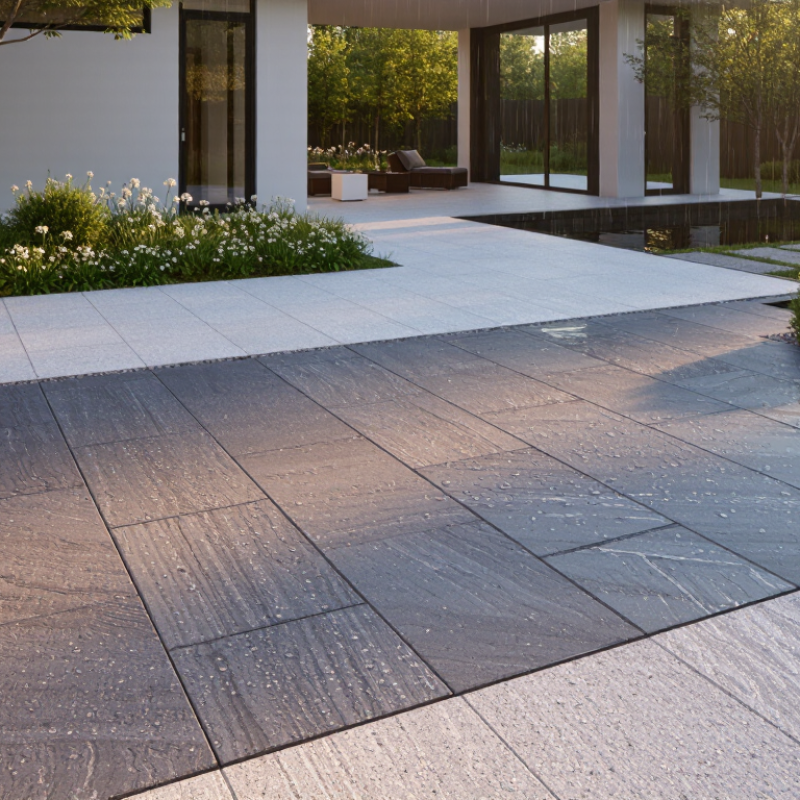
What Makes a Stone Easy to Maintain Outdoors?
What makes stone easy to maintain outdoors is less about appearance than performance. A practical choice absorbs little water, resists surface wear, and tolerates the local freeze-thaw cycle. ASTM International’s C97/C97M test measures stone’s water absorption and bulk density; its results help compare samples, but they do not guarantee performance in every climate. Ask for test data for the exact stone, not just a similar-looking variety. Small differences matter.
Surface finish matters, too. The Natural Stone Institute’s care guidance recommends matching cleaning methods to the stone and its finish, rather than relying on harsh, universal cleaners. A textured surface can improve grip, but it may hold grit and leaf stains in its grooves. ASTM C241/C241M evaluates abrasion resistance for dimension stone used in flooring, offering a useful reference for wear—not a complete measure of outdoor durability. Keep a sample outside for a few weeks. Watch what rain, dust, and fallen leaves do. I have seen pale stone look effortless in a showroom and fussy beside a muddy garden path. That is worth admitting. Choose a surface you can clean with water and a soft brush, and confirm that the supplier’s test reports reflect your intended use.
Which Outdoor Stone Types Require the Least Care?
For low-care outdoor surfaces, dense granite is often a practical choice. Its hard, relatively low-absorption surface resists everyday wear and handles rain well. Sweep away grit before it gets ground underfoot, then rinse with water or use a mild, pH-neutral cleaner. Avoid harsh acids; they can damage nearby materials and finishes. Sealing needs vary by stone and exposure, so test a small area with a few drops of water. If the stone darkens quickly, it may need a suitable penetrating sealer.
Quartzite can also be relatively easy to maintain when it is dense and properly installed. Its natural color variation helps disguise small marks. But quality differs between slabs, and some products sold as quartzite may behave more like softer stone. Ask for the specific stone’s care guidance, and inspect a sample after wetting it. Worth checking.
Slate is less predictable. Some dense slate stays tidy with occasional sweeping, while softer varieties may flake or absorb water. In freezing climates, that difference matters. Limestone and marble usually need more attention because acids, stains, and weathering can affect their surfaces. Whatever stone you choose, good drainage and well-fitted joints reduce standing water, algae, and repeated cleaning. A shaded, damp patio may still need occasional brushing, even with granite.
How Do Climate and Location Affect Stone Maintenance?
Outdoor stone maintenance depends less on a “best” stone than on the weather it faces. In freeze-thaw climates, water can enter tiny pores, freeze, and widen them. Dense granite often handles this better than porous limestone, though installation and drainage still matter. Keep water moving away. A shaded path that stays damp may develop algae and dark staining, especially beneath trees. In sunny, dry regions, lighter stones can reflect heat, while some darker surfaces become uncomfortable underfoot. Dust and windblown grit may also make textured finishes harder to clean.
Salt air and de-icing salts create different problems. Near the coast, salt can leave deposits and accelerate wear in some stones; regular rinsing with fresh water helps. In snowy areas, avoid assuming every stone tolerates repeated salt exposure. Check the stone’s absorption and ask for freeze-thaw test information before choosing. Local conditions vary by elevation, shade, and soil drainage. I’ve seen a supposedly durable surface struggle where sprinklers kept it wet every evening. That detail is easy to miss. Sealers may reduce staining, but they do not make stone maintenance-free, and some need periodic renewal. Test any cleaner on a hidden spot first, since acids can etch many calcareous stones.
How climate affects maintenance: Granite generally needs less routine care because it is dense and absorbs little water. Porous limestone and sandstone may need more frequent cleaning and appropriate sealing, especially in wet, coastal, or freeze-thaw conditions. Slate varies by type. Scores are indicative comparisons on a 1–5 scale, not laboratory measurements; stone performance depends on the specific material, finish, installation, and local conditions.
How Can You Compare Durability, Porosity, and Upkeep?
Compare outdoor stone on three separate measures: hardness, water absorption, and cleaning needs. ASTM C97/C97M provides a standardized test for measuring stone’s water absorption. ASTM C615 sets a maximum absorption of 0.40% by weight for granite dimension stone. That is a useful screening figure, not a promise against stains or weather damage. Stone varies by quarry, finish, and batch.
For a patio, check the test results and the actual surface finish. A rough finish can hold soil in its texture, while a smoother one may show scratches more clearly. Ask how the stone performs through wet-freeze cycles, especially where water collects near steps or joints. Low absorption often helps outdoors, but installation and drainage matter too. That matters outdoors. For upkeep, find out whether the stone needs periodic sealing and which cleaners are suitable; acidic cleaners can damage some calcareous stones. I would not call any stone maintenance-free. Even granite can collect grime at edges, and I have to admit that “easy care” depends partly on how carefully the site is built. A small sample left outside can reveal more than a polished showroom slab.
How Do You Choose the Right Low-Maintenance Stone for Your Project?
Choosing a low-maintenance outdoor stone starts with the conditions it will face. A shaded patio may stay damp, while a sunny walkway can heat up and fade some finishes. Consider foot traffic, nearby trees, winter freeze-thaw cycles, and whether food or soil may stain the surface. The easiest stone to care for is the one suited to its setting.
Dense granite is often a practical option for busy paths and patios because it generally absorbs less water than more porous stones. Still, properties vary, so ask for the absorption and slip-resistance details of the specific product. Limestone can offer a softer look, but acidic spills and frequent moisture may require more care. Slate can be attractive, though some varieties may flake over time. Check a sample outdoors; small differences matter.
Tips: Ask how often the stone needs sealing, and what cleaner is recommended. Look at a wet sample for slipperiness. Confirm that the base drains well, since standing water can create more upkeep than the stone itself. One detail is easy to miss: joint material and installation affect cleaning, too. Compare maintenance guidance from the supplier with advice from a qualified installer, and choose based on the actual site—not appearance alone.
How to Choose the Easiest Stone to Maintain Outdoors? - How Do You Choose the Right Low-Maintenance Stone for Your Project?
| Stone type |
Typical maintenance level |
Sealing considerations |
Routine care |
Outdoor strengths and cautions |
Good fit for |
| Granite |
Low, in many installations |
Absorption varies by stone and finish. Seal only when recommended for the specific product; test water absorption first. |
Sweep or rinse regularly; use a pH-neutral stone cleaner for heavier soil. |
Generally hard and durable. Choose a suitable slip-resistant finish for wet areas and check local freeze-thaw suitability. |
Patios, steps, and outdoor work surfaces where durability is a priority. |
| Quartzite |
Low to moderate |
Porosity differs among varieties, so sealing needs should be confirmed with the supplier and a water-absorption test. |
Remove loose grit and clean with water or a pH-neutral stone cleaner. |
True quartzite is hard, but stone sold under this name can vary. Verify the material and its outdoor suitability before purchase. |
Projects needing a hard natural stone, provided the specific slab or paving stone is properly identified. |
| Slate |
Moderate; varies by source |
Some slate is relatively dense, while other varieties absorb more water. Follow product-specific sealing guidance. |
Sweep textured surfaces to remove grit; rinse and clean with a pH-neutral product. |
Natural cleft surfaces can provide texture but may collect dirt. Check for flaking and suitability in freeze-thaw climates. |
Paths, patios, and steps where a textured natural finish is desired. |
| Limestone |
Moderate to high |
Often benefits from a suitable stone sealer, but sealing does not prevent acid etching or eliminate regular care. |
Use a pH-neutral cleaner. Avoid acidic cleaners, including vinegar-based products. |
Can be porous and is vulnerable to acids. Confirm that the selected grade and finish suit local weather and exposure. |
Covered or lower-exposure areas where its appearance is preferred and upkeep is acceptable. |
| Sandstone |
Moderate to high |
Many varieties are absorbent. Ask whether sealing is suitable for the specific stone and allow for periodic reassessment. |
Sweep regularly and rinse gently. Address organic growth with a stone-compatible cleaner. |
Porosity can increase moisture uptake, staining, and freeze-thaw concerns. Confirm suitability for the climate and installation. |
Drier settings or projects where a natural, textured appearance outweighs the need for minimal upkeep. |
| Marble |
Moderate to high |
Sealing may reduce absorption and staining, but it will not prevent scratching or acid etching. |
Clean with a pH-neutral stone cleaner; avoid acidic products and abrasive scrubbing. |
Calcium-based marble can be etched by acids and may show wear more readily in exposed, heavily used areas. |
Decorative or lower-traffic areas where periodic care and natural surface changes are acceptable. |
Practical tip: Stone properties vary by quarry, finish, and installation. Before choosing, confirm outdoor and freeze-thaw suitability for the exact product, test a sample where possible, and follow the supplier’s cleaning and sealing instructions.
Conclusion
Choosing the right outdoor stone begins with understanding what makes a material easy to maintain. Low-porosity stone absorbs less water, dirt, and stains, while strong resistance to scratching, cracking, and weather changes helps reduce repairs. When asking “which stone is easiest to maintain outdoors,” consider how often the surface will be exposed to rain, frost, heat, pool water, or heavy foot traffic. Location and climate can significantly affect performance, so a stone suitable for a dry region may require different care in a wet or freezing environment.
To compare options, evaluate durability, porosity, surface texture, stain resistance, and cleaning requirements together. Some stones may need regular sealing, while others can remain attractive with occasional sweeping, gentle washing, and prompt stain removal. The best choice for patios, walkways, walls, or outdoor kitchens should match the project’s use, local weather, desired appearance, and maintenance budget. Selecting a practical stone from the beginning can preserve its performance and appearance while minimizing long-term upkeep.

 Tranquix Stone