When embarking on a landscaping project, one key decision looms: what is the best stone for landscaping? This choice can define the overall aesthetic and function of your garden. Renowned landscape designer Emily Johnson states, "The right stone can transform an ordinary garden into an extraordinary space."
Selecting stone requires careful consideration. Different stones serve various purposes, from decorative pathways to robust retaining walls. Granite, for instance, offers durability and a sleek appearance. Similarly, river rocks can add a natural touch to water features. However, be mindful of the compatibility of stones with your garden’s climate and soil type.
Navigating the myriad options may feel overwhelming. A hasty choice can lead to unexpected results, affecting both functionality and visual appeal. Engaging with landscaping professionals can provide valuable insights, ensuring you choose wisely. Reflections on your own garden’s needs will help shape your decision. The journey to find the ideal stone is as important as the final result.
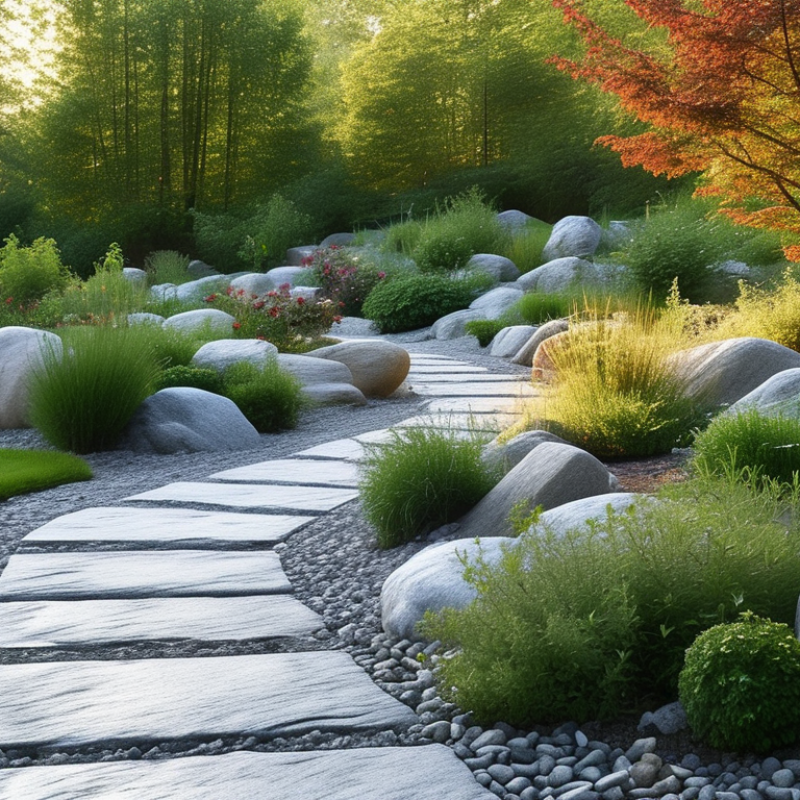
Factors to Consider When Choosing Landscaping Stones
Choosing the right stone for landscaping can greatly enhance your garden's appeal. Several factors come into play. A key consideration is the stone's color. Look for hues that complement your home and surroundings. Earthy tones often blend well with greenery, while vibrant colors create striking focal points.
Texture matters too. Smooth stones provide a sleek look, while rough textures add depth. Think about how these stones will feel underfoot. The choice between gravel, boulders, or flagstones can change the landscape's functionality. Natural stones may require more maintenance than manufactured options.
Tips: Evaluate local stone suppliers for options that suit your climate. Local stones can harmonize with the natural landscape. Also, consider the stone's weight if you plan to DIY your project. Heavy stones may need professional help for installation. Always think about drainage and placement to avoid future issues. Explore different arrangements, as stone layout can transform your garden's atmosphere.
Types of Stones Suitable for Garden Landscaping
Choosing the right stone for your garden landscaping can transform your space significantly. Various types of stones are suitable for different styles and functions. For instance, gravel is a popular choice for pathways. Its texture adds visual interest and is easy to walk on. White gravel can brighten up a darker garden.
Another option is flagstone, which comes in different shapes and colors. It’s ideal for patios and outdoor seating areas. The irregular shapes create a natural look. Using flagstone allows for creative layouts. However, it can be more challenging to install. You might need a professional if you’re unfamiliar with the process.
Limestone is another great choice for garden beds. It’s durable and has a subtle, elegant appearance. It works well in various landscapes. However, it can be heavy, so handling it may be tough for some. Always consider the maintenance involved. Some stones require sealing to prevent weathering. Balance aesthetics with practicality when selecting stones for your landscape.
Understanding Color and Texture in Landscaping Stones
When selecting stones for landscaping, color and texture play a crucial role. Research indicates that the right stone can enhance the aesthetic appeal of gardens. For instance, light-colored stones create a feeling of openness, while dark hues bring a sense of intimacy. Textured stones can add depth, making landscapes more engaging. According to the American Society of Landscape Architects, over 70% of homeowners prioritize aesthetics in their outdoor spaces.
Tips: Choose stones that complement your plants. Neutral tones can balance vibrant flowers. Textured stones work well for focal points, drawing the eye without overwhelming the surrounding flora.
Consider the local climate as well. Smooth stones may appear sleek but can retain heat, affecting plant life. In contrast, rough stones can offer better drainage. The right material ensures longevity and enhances the functionality of your garden. Be wary of trends; what looks good today might not suit your landscape in the long run.
Experimenting with different combinations can reveal unexpected beauty. A mix of glossy and matte finishes may create visual contrast. Don’t shy away from stones with minor imperfections; they can add character and history to your garden. Aim for a cohesive look while allowing some elements to stand out.
Garden Landscaping Stones Analysis
Evaluating Durability and Maintenance Needs of Stones
When selecting stones for landscaping, evaluating their durability and maintenance is crucial. Some stones resist weathering better than others. Granite, for example, is known for its strength, lasting decades under harsh conditions. In contrast, softer stones like limestone may show signs of erosion much sooner. According to the "Stone Industry Economic Impact Study," nearly 68% of landscapers favor durable materials for long-term projects.
Maintenance is another important aspect. Natural stones often require sealing to protect against moisture and stains. Without proper care, some stones may develop unsightly lichen or stains, negatively impacting their appearance. Regular maintenance can extend the life of your stone features significantly. For instance, a well-maintained slate pathway can endure for over 30 years.
**Tip:** Consider local weather conditions. If your area experiences heavy rain or intense sun, choose stones that can withstand these elements.
**Tip:** Check for natural porousity. Stones with lower porosity require less sealing, making them easier to maintain.
**Tip:** Consult with local experts. They can provide insights based on regional experiences and conditions.
Cost Considerations for Landscaping Stones and Budgeting Tips
When landscaping your garden, selecting the right stone is crucial for balancing aesthetics and budget. The average cost of landscaping stones ranges from $50 to $100 per cubic yard, depending on the type and quality. Local suppliers often provide discounts for bulk purchases, which can help reduce costs significantly. Understanding these price ranges is essential for effective budgeting.
It’s important to account for additional expenses, such as delivery fees and installation costs. On average, professional installation can cost between $35 and $50 per hour. For a typical landscaping project, materials combined with labor can total anywhere from $1,500 to $5,000. Comparing different stone types, such as flagstone versus gravel, can greatly affect your budget while still achieving your desired look.
Furthermore, consider the long-term maintenance costs tied to different stone options. Some stones are more prone to cracking or fading, leading to higher replacement costs. Researching local stone options and consulting landscaping experts can guide your choices. Always remember—budgeting for landscaping can be complex, and thorough planning is key to staying within your financial limits.
FAQS
: Gravel is popular for pathways. It offers texture and is easy to walk on.
Flagstone creates a natural look. It comes in various shapes and colors, ideal for patios.
Limestone is durable but heavy. It may be difficult to handle for some people.
Color and texture are crucial. They can enhance the garden's aesthetic appeal significantly.
Smooth stones retain heat. Rough stones can offer better drainage for plant life.
Yes, they add character and history. Don’t shy away from stones with small flaws.
Balance elements while allowing some to stand out. Aim for harmony among materials used.
Trends may not suit your landscape long-term. Choose materials based on lasting appeal.
Experimenting with combinations can reveal beauty. A mix of finishes creates interesting contrasts.
Use neutral tones for balance. Textured stones can highlight focal points without overwhelming plants.
Conclusion
When planning your garden landscaping, determining what is the best stone for landscaping is crucial for creating a beautiful and functional outdoor space. Key factors to consider include the type of stones that suit your garden's style, whether natural or manufactured, as well as the color and texture that will enhance your overall design. It’s also important to evaluate the durability and maintenance needs of the stones to ensure they withstand weather elements and demanding usage over time.
Additionally, cost considerations play a vital role in your selection process. Understanding your budget and the potential expenses associated with purchasing and installing stones will help you make informed decisions. By taking these factors into account, you can choose landscaping stones that not only fit your aesthetic preferences but also align with practical requirements and budgetary constraints.

 Tranquix Stone