Choosing the right countertop material is crucial for homeowners and designers alike. Recent industry reports indicate that 74% of homeowners prioritize countertops in their kitchen renovation projects. With various materials available, it’s essential to consider not just aesthetics but also functionality, durability, and maintenance. Each countertop material has unique properties, and understanding them can elevate the quality of your home.
Consumer preferences reveal that granite, quartz, and marble remain top contenders. However, many overlook options like butcher block or concrete, which can offer unexpected benefits. For instance, butcher block adds warmth and is easy to repair, while concrete can be molded into any shape. Balancing these options requires insight into lifestyle needs and budget constraints, which many users might underestimate.
When pondering how to choose the right countertop material, reflecting on personal habits and preferences is vital. Many homeowners express regret over their choices due to insufficient research. Taking time to explore the pros and cons of each material can prevent costly mistakes. Ultimately, a thoughtful decision leads to a kitchen space that balances beauty and utility.
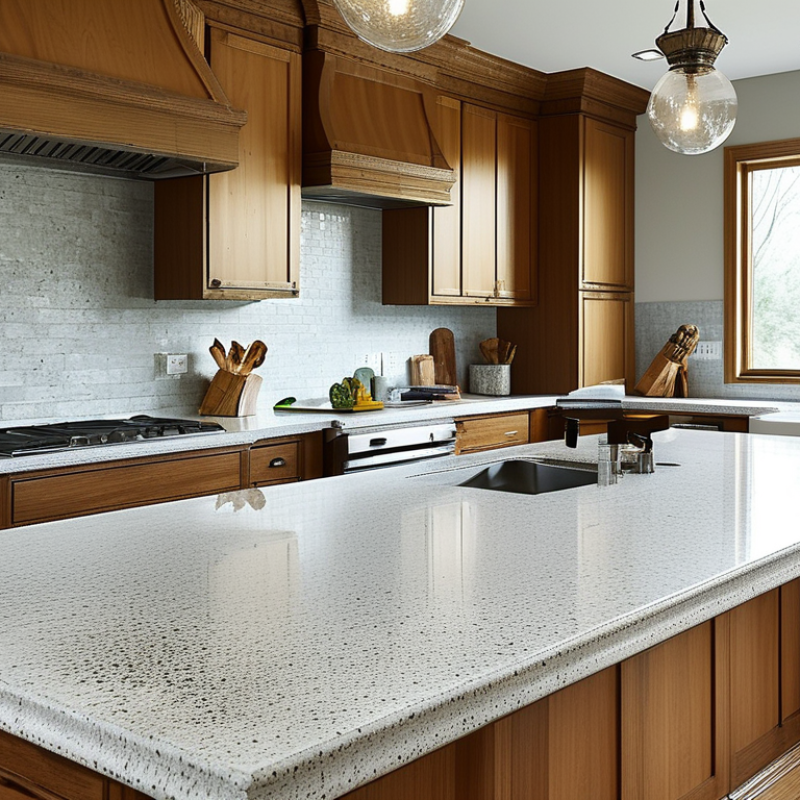
Understanding the Different Types of Countertop Materials Available
Countertops play a crucial role in both aesthetics and functionality. Understanding the different types of countertop materials can significantly impact your choice. Granite is a popular choice due to its natural beauty and durability. It comes in various colors and patterns, allowing for customization. However, it requires sealing to prevent stains. Marble, on the other hand, offers a classic look but is more susceptible to scratches and etches.
Quartz countertops are engineered and offer a non-porous solution. They mimic the look of natural stone while being low maintenance. These surfaces are resistant to stains, but some may find them less appealing than real stone. Laminate and butcher block are more affordable options. Laminate provides a wide range of designs, but it is less durable. Butcher block adds warmth and character but requires regular oiling to maintain.
When selecting a countertop, consider your lifestyle. Cooking habits can greatly influence durability needs. A family with children might lean towards more resilient surfaces. Additionally, think about how often you entertain guests, as this may prompt a preference for visually striking materials. There’s no one-size-fits-all solution. Every material has its pros and cons, and personal preference plays a significant role. Make sure to weigh your options carefully.
Evaluating Durability and Maintenance Requirements for Each Material
Choosing the right countertop material involves understanding durability and maintenance needs. Each material has unique characteristics that affect its longevity. For example, granite is known for its hardness and scratch resistance. However, it may require sealing to prevent stains. Natural stone surfaces can be beautiful but need consistent upkeep to maintain their appeal.
Concrete offers a unique aesthetic but may be prone to cracks if not properly maintained. It requires frequent sealing for protection. On the other hand, laminate is low in maintenance but can be easily damaged. It does not withstand heat well and can warp over time. Homeowners should consider how much wear and tear the countertop will encounter.
Assessing your lifestyle is crucial. How often do you cook? Do you have kids? These questions help determine the best fit for your needs. It's essential to consider not just the initial cost but the long-term investments in maintenance. Durability and care vary significantly among materials. Don't overlook this aspect when choosing your next countertop.
Considering Aesthetic Appeal and Design Compatibility
When selecting a countertop material, aesthetic appeal and design compatibility are vital. A report by the National Kitchen & Bath Association indicates that 35% of homeowners choose countertops primarily based on visual impact. Thus, colors, textures, and patterns should harmonize with your overall interior style. Consider whether your kitchen leans toward modern, traditional, or industrial aesthetics. Materials like quartz often blend seamlessly with various designs, while natural stone can create a dramatic focal point.
Flexibility in design is key. A neutral color palette can provide adaptability, allowing for changes in decor without necessitating a countertop overhaul. For instance, a simple white marble can complement both warm and cool-toned cabinetry. However, mismatched materials can lead to a disjointed look. In fact, a study from the Home Improvement Research Institute found that 50% of renovation failures stem from poor material choices that clash aesthetically. Choose a countertop that not only looks great now but will also fit future trends. This thoughtful approach can prevent costly redesigns later.
10 Best Tips on How to Choose the Right Countertop Material
Assessing Cost Factors and Budget Constraints
Choosing the right countertop material largely hinges on cost factors and budget constraints. According to the National Kitchen and Bath Association, homeowners typically spend 10-15% of their kitchen budget on countertops. This percentage reflects the importance of selecting materials that meet both aesthetic and financial needs.
Granite and quartz offer durability but vary significantly in price. A study by Remodeling Magazine indicates that quartz can range from $50 to $100 per square foot, depending on the design. Meanwhile, granite is often found in a similar range, though exotic colors can drive costs higher. Understanding these price tiers can help shoppers avoid unexpected expenses.
Labor and installation fees can also impact your total budget. On average, installation costs vary between $30 and $100 per hour, and these can add up quickly. Additionally, consider ongoing maintenance costs. Marble, while elegant, may require periodic sealing, adding to the long-term financial commitment. The decision process should balance both initial expenses and future maintenance, ensuring the countertop is a sound investment.
Checking Supplier and Installation Options for Your Chosen Material
When choosing countertop material, supplier and installation options play a crucial role. Start by researching local suppliers. Look for companies with positive reviews and a solid reputation. Check if they offer a variety of materials, from granite to quartz. This diversity ensures you can find the perfect match for your kitchen or bathroom needs.
Installation is another vital aspect. Inquire about the expertise of their installers. Are they knowledgeable and experienced? It’s essential to know the installation process and any warranties provided. Ask about timelines. Delays can happen, so understanding the schedule can help you manage your renovation effectively.
Don't forget to review pricing options carefully. Sometimes, lower quotes can hide additional costs. It's wise to get multiple estimates before making your choice. A reliable supplier will provide transparent pricing and clear terms. Reflecting on your selections at this stage can save you headaches later. Ultimately, making an informed decision requires a thorough assessment of both suppliers and the potential installation experience.
10 Best Tips on How to Choose the Right Countertop Material
| Tip Number |
Tip Description |
Material Recommendations |
Supplier Considerations |
| 1 |
Determine your budget before selecting a material. |
Granite, Quartz |
Look for local suppliers within your budget. |
| 2 |
Consider the durability and maintenance level of the material. |
Quartz, Solid Surface |
Check supplier reviews and product warranty. |
| 3 |
Evaluate the aesthetic appeal and how it matches your space. |
Marble, Concrete |
Visit showrooms to see material samples in person. |
| 4 |
Assess heat resistance and how the material performs under heat. |
Granite, Stainless Steel |
Research installation options available with suppliers. |
| 5 |
Think about how the material fits your cooking and lifestyle needs. |
Butcher Block, Laminate |
Inquire if the supplier offers customized solutions. |
| 6 |
Research sustainability options for eco-friendly choices. |
Recycled Materials, Bamboo |
Ask suppliers about their eco-friendly materials. |
| 7 |
Consider the ease of repairs and replacements. |
Quartz, Solid Surface |
Check if your supplier has good customer service for repairs. |
| 8 |
Estimate the total cost, including installation and materials. |
Granite, Quartzite |
Get multiple quotes from different suppliers. |
| 9 |
Think about transition areas and blending with existing decor. |
Marble, Solid Surface |
Discuss design options with your supplier. |
| 10 |
Plan for long-term wear and tear. |
Granite, Quartz |
Select suppliers with a strong track record for durability. |
Conclusion
When it comes to how to choose the right countertop material, several key factors must be considered to ensure a successful selection. Firstly, understanding the various types of countertop materials available, such as granite, quartz, and laminate, is essential. Each material comes with different durability and maintenance requirements, making it crucial to evaluate these characteristics based on your lifestyle.
Next, aesthetic appeal and design compatibility play significant roles in the decision-making process. The chosen material should complement the overall design of your space while aligning with your personal style. Additionally, assessing cost factors and budget constraints is vital to avoid overspending. Lastly, exploring supplier and installation options can streamline the process, ensuring you receive a quality product installed by professionals. By following these tips, homeowners can confidently navigate the complexities of selecting the right countertop material for their needs.

 Tranquix Stone