Which Stone Is Best for Outdoor Furniture in 2026?

Time:2026-11-18 Author:Sienna
0%

Outdoor furniture faces more than occasional rain. Sunlight, temperature swings, spilled drinks, and daily use all affect how stone looks and performs. In 2026, granite, marble, travertine, slate, and quartzite remain popular choices for tabletops and benches. Each offers a different balance of durability, texture, weight, and upkeep. Looks matter, but the local climate matters more.

The question “which stone is best for outdoor furniture” has no universal answer. Granite is often a practical option for exposed tables, while marble brings distinctive veining but may show etching and stains more readily. Travertine feels warm and natural underfoot, yet its pores need attention. Slate has a quieter, layered appearance, though some varieties can flake. These differences are easy to overlook in a showroom. They become clearer after a season of sun and rain.

A useful comparison should consider the stone’s finish, porosity, sealing needs, and resistance to heat and moisture. Ask how a sample behaves with water, and check whether the supplier recommends routine sealing. Dark surfaces can become hot in direct sun. Heavy pieces may also need a stable base and careful placement. A polished sample may not represent the finish best suited to outdoor use. That is worth questioning. The sections ahead compare common stones and explain which settings suit them, so readers can weigh appearance against maintenance before buying. No stone is entirely carefree; choosing well means understanding what your patio will ask of it.
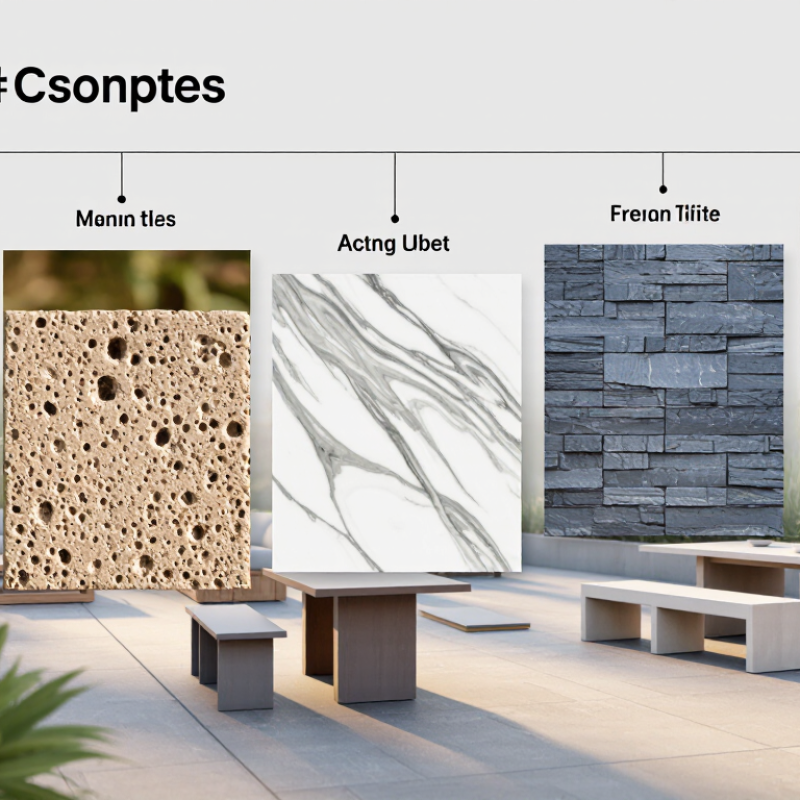
Which Stone Is Best for Outdoor Furniture in 2026?

Types of Stone Used in Outdoor Furniture

Granite, limestone, marble, slate, and basalt each bring different trade-offs to outdoor furniture. Granite is a strong choice for tabletops and bench tops because it resists scratching and handles frequent use. The Natural Stone Institute’s dimension-stone property tables report water absorption below 0.4% for many tested granites. Some limestone samples exceed 5%, making sealing and drainage more important. These figures describe tested samples, not every quarry block.

Slate offers a grippy, layered surface, but edges may chip if furniture is dragged across paving. Basalt is dense and understated; its dark surface can feel hot in direct summer sun. Marble brings veining and a smoother finish, yet acidic spills and weathering may mark it. The U.S. Geological Survey’s 2025 Mineral Commodity Summaries tracks granite, limestone, marble, and other dimension stones as separate material categories. That is useful context, but it does not rank them for furniture. Ask for the actual stone’s ASTM C97 absorption results, then check its finish and local freeze-thaw exposure. Small details matter. I would not choose by a showroom sample alone; outdoor light and rain reveal flaws quickly.

How Weather and Climate Affect Stone Performance

Outdoor stone succeeds or fails with water, not just hardness. Rain enters pores and joints; freezing can widen tiny cracks, while coastal spray leaves salts behind as water evaporates. The World Meteorological Organization’s State of the Global Climate 2024 estimated global mean temperature was 1.55 ± 0.13°C above the 1850–1900 average. That single-year figure does not predict a patio’s conditions, but it reinforces the need to assess local heat, rainfall, and freeze-thaw cycles.

In cold, wet regions, compare stone’s measured water absorption and ask for relevant freeze-thaw performance data. ASTM C97/C97M measures absorption and bulk specific gravity; ASTM C880 measures flexural strength. Neither result alone guarantees outdoor durability. A dense stone may still fail where water sits in unsealed joints or on a flat tabletop. Drainage matters. For coastal furniture, consider salt exposure and avoid designs that trap spray and rain beneath slabs.

In hot climates, dark surfaces can become uncomfortable in direct sun, while repeated heating and cooling may stress stone and its supports. Light-colored stone often feels cooler, though finish and shade also matter. Humid sites need airflow and regular cleaning, since damp surfaces can develop biological growth. Shade helps. There is no universal “best” stone: match test data to the site, then check the full furniture assembly, including joints, supports, and overhangs. One detail is easy to miss: a durable slab can still be undermined by poor drainage.

Comparing Granite, Marble, Limestone, and Other Options

Granite is often the safest starting point for outdoor tables and benches. ASTM C615 sets a maximum water absorption of 0.40% by weight for qualifying granite. That is a specification limit, not a guarantee for every slab. Ask for test results from the actual quarry lot, especially where winters bring repeated freezing and thawing.

Marble can feel cool and look striking, but acidic rain, spilled drinks, and rough cleaning may dull its surface. ASTM C503 sets a maximum absorption of 0.20% for qualifying marble. Low absorption does not prevent etching. Expect some patina. I would choose it where appearance matters more than a pristine finish.

Limestone varies more by density. ASTM C568 allows up to 12% absorption for low-density limestone, 7.5% for medium-density, and 3% for high-density stone. That spread makes the stone’s grade and test report essential. Travertine, a porous limestone, may need careful sealing and regular checks. Quartzite is another option, but its properties also vary by source. Check the batch. Compare absorption, flexural strength, and freeze-thaw test results, such as those assessed under ASTM C1026, before placing stone in exposed, wet, or shaded areas.

How to Choose Stone for Different Outdoor Furniture

Choosing stone for outdoor furniture starts with the piece’s job, not its color. A dining table needs a stable, hard-wearing surface for plates, spills, and frequent wiping. Dense granite is often practical, provided the frame can support its weight. For a bench or side table, slate adds texture, but rough edges may catch clothing or collect water. Stone is heavy. Plan placement before delivery.

For smaller accent tables, limestone and travertine bring softer colors and visible patterns. They are more porous, so spills may leave marks even when the surface is sealed. One assumption worth questioning: sealing does not make porous stone maintenance-free. In freezing climates, ask whether the stone and finish can tolerate repeated freeze-thaw cycles. Polished surfaces may also become slippery when wet; a honed or textured finish can be a safer choice near seating areas.

Tips: Match the finish to how the furniture will be used. Wipe food and drink spills promptly, and use coasters on pale stone. Check care instructions before buying. A sample can help, though it may not show every natural variation in a full tabletop.

Stone Care, Sealing, and Maintenance Requirements

Which Stone Is Best for Outdoor Furniture in 2026?

Stone Care, Sealing, and Maintenance Requirements

Outdoor stone lasts longer when care matches its porosity and exposure. ASTM C615 sets a maximum water absorption of 0.40% for granite. That specification is a useful benchmark, not a guarantee for every slab or finish. Ask the supplier for the stone’s test results, and check for standing water after rain. Wipe spills promptly, especially oils and acidic drinks. The Natural Stone Institute recommends mild, pH-neutral cleaners; acidic products can etch some stones. Small marks happen. Even careful owners miss a spill now and then.

Sealing is not a substitute for cleaning. Some dense stones may need little or no sealer, while more absorbent varieties may benefit from one suited to outdoor use. Test it on an inconspicuous spot first, and follow the product’s curing instructions. The Natural Stone Institute advises checking whether a sealer is needed with a simple water-drop test: if the stone darkens quickly, it may be more absorbent. Recheck after harsh weather or frequent use rather than relying on a fixed annual schedule. Shade, rain, and nearby trees all change the maintenance load.

Tips: Brush grit off before wiping; it can scratch polished surfaces. Use coasters beneath oily dishes, and keep cushions from trapping moisture against stone. Rinse soap away. In winter, avoid harsh de-icers near stone furniture. A quick seasonal inspection helps catch loose joints, chips, and water pooling before they worsen.

FAQS

What matters most when choosing outdoor stone?

Match the stone to local rain, heat, humidity, and freezing conditions. Hardness alone cannot prevent water damage.

How can I reduce freeze-thaw damage?

Ask for water-absorption and freeze-thaw performance data. Keep joints and surfaces draining freely; trapped water can widen small cracks.

Is dense stone always suitable for outdoor furniture?

No. A dense slab can still suffer if rain collects on a flat surface or beneath poorly drained joints. Details matter.

Which stone works well for a dining table?

Dense stone can handle plates, spills, and frequent wiping. Check that the frame can support its weight before delivery.

Are limestone and travertine easy to maintain?

Their softer colors and patterns can look appealing, but their pores may absorb spills. Sealing helps, though it does not make them maintenance-free.

What finish is safer when furniture may get wet?

A honed or textured finish is often less slippery than a polished one. Check the surface near seating areas after rain.

How do sun and humidity affect stone furniture?

Dark stone can feel hot in direct sun, while damp surfaces may develop biological growth. Shade and airflow help, but site conditions vary.

What should I consider near the coast?

Salt spray can leave deposits as water evaporates. Avoid designs that trap rain or spray beneath the stone.

Can a small sample show exactly how a tabletop will look?

Not always. Natural patterns can vary across a full slab, so the sample may leave something important unseen.

What simple care habits help outdoor stone last?

Wipe food and drink spills promptly, use coasters on pale stone, and follow the care instructions. I might miss a spill sometimes.

Conclusion

Choosing which stone is best for outdoor furniture in 2026 depends on the local climate, the furniture’s purpose, and how much maintenance you are willing to do. Granite is a durable, weather-resistant choice for tabletops and frequently used pieces. Marble offers distinctive veining but can be more vulnerable to staining and surface wear, while limestone has a softer, natural appearance that may need extra protection. Other stones may suit particular designs or settings, but their porosity, weight, and resistance to temperature changes should be considered before choosing.

Weather can affect stone through rain, frost, heat, sunlight, and salt exposure, so the right material may differ between a dry patio and a coastal garden. Match the stone to the furniture: prioritize strength and stability for dining tables and benches, and consider appearance and weight for decorative pieces. Regular cleaning, appropriate sealing when needed, and prompt attention to spills can help preserve the stone’s finish and performance outdoors.

Sienna

Sienna

Sienna is a skilled marketing professional with a deep expertise in our company’s core products and services. With a passion for innovation and detail, she plays a pivotal role in crafting insightful blog posts that not only highlight the unique features of our offerings but also provide valuable......