When choosing the perfect stone for outdoor furniture, it is essential to consider durability, aesthetics, and maintenance. As landscape architect Dr. Emily Hartwell states, "The right stone can transform an outdoor space into a sanctuary." This emphasizes the importance of selecting the right material to complement your outdoor living area.
Granite and marble are popular choices, known for their beauty and resilience. However, they can be heavy and expensive. On the other hand, bluestone and flagstone offer a more affordable yet elegant option. Each stone type has its pros and cons, making it crucial to explore which stone is best for outdoor furniture based on your specific needs and style.
Take time to reflect on your choice. Consider the climate, environmental impact, and overall design. Will your selected stone withstand the elements? Will it require significant upkeep? Addressing these questions can help ensure your outdoor furniture remains a lasting focal point.
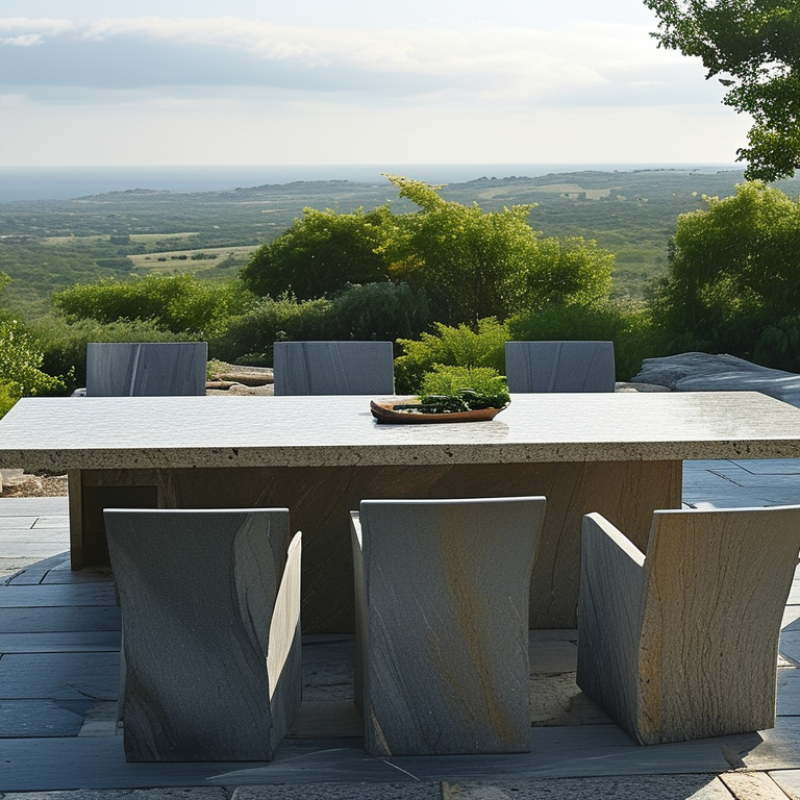
Choosing the Right Stone for Outdoor Furniture: A Comprehensive Guide
When selecting the right stone for outdoor furniture, several factors come into play.
The type of stone can impact the aesthetics and functionality of your space.
Granite is a popular choice due to its durability and resistance to weather elements.
It offers a polished look that can enhance the elegance of your garden or patio.
However, its weight can make it difficult to move, presenting challenges if you love to rearrange your space.
Limestone, on the other hand, provides a softer, more rustic appeal.
It blends seamlessly with natural surroundings. Yet, it is more porous and susceptible to stains.
Adequate sealing is necessary to maintain its beauty.
The texture and color of each stone vary widely, affecting the overall vibe of your outdoor area.
It's essential to consider not only the appearance but also the maintenance and longevity of the material.
Assess your lifestyle when choosing stone types. If you host frequent gatherings, solid, easy-to-clean options might be best.
Conversely, for a tranquil retreat, softer stones could suit your preference.
Reflect on your current choices—do they match your vision?
It’s worth revisiting your selections, especially as conditions change, and your needs evolve.
Durability Comparison: Granite, Marble, and Slate for Outdoor Use
When choosing stone for outdoor furniture, durable materials are essential. Granite, marble, and slate all offer unique benefits for outdoor use. Granite stands out for its resistance to weather conditions. It can endure heavy rain and extreme temperatures without cracking. Its polished surface also resists stains and scratches, making maintenance easier.
Marble, on the other hand, is a more delicate choice. It is beautiful but can be porous. This means it can absorb water and spills. In rainy or humid climates, this could lead to lasting damage. Everyday wear can dull its surface, requiring more care than granite. Despite its sleek look, it may not be the best long-term option.
Slate provides a middle ground. It is durable and slip-resistant, suitable for outdoor areas. However, slate can chip or crack if heavy objects are dropped. Its textured surface adds a natural feel to gardens and patios, but one must consider how it handles wear and tear. Each stone has its strengths and weaknesses. Understanding these can help make a better choice for outdoor furniture.
Weather Resistance: Evaluating Stone Materials for Different Climates
When choosing stone materials for outdoor furniture, weather resistance plays a crucial role. Different climates can affect the longevity and appearance of stones. For instance, in humid environments, some stones may retain moisture, leading to mold and discoloration. A porous stone, such as limestone, could absorb water, making it less ideal. On the other hand, granite stands up well in various conditions, resisting both moisture and extreme temperatures.
Visual appeal is also significant. Stones like slate boast vibrant colors, but their surface can weather over time. They may require sealing to maintain their aesthetic. In contrast, travertine offers beauty but can be slippery when wet, raising safety concerns. Choosing the right stone involves weighing these factors against your specific climate and maintenance capabilities. Consider the long-term impacts of your decision carefully, as neglecting weather resistance can lead to costly repairs or replacements.
Which Stone Is Best for Outdoor Furniture Choices? - Weather Resistance: Evaluating Stone Materials for Different Climates
| Stone Type |
Weather Resistance |
Temperature Range (°C) |
Moisture Resistance |
UV Resistance |
| Granite |
Excellent |
-30 to 40 |
High |
Highly Resistant |
| Marble |
Moderate |
-10 to 30 |
Moderate |
Moderately Resistant |
| Slate |
Good |
-20 to 35 |
High |
Good Resistance |
| Limestone |
Fair |
-5 to 25 |
Low |
Low Resistance |
| Sandstone |
Good |
-15 to 30 |
Moderate |
Moderate Resistance |
Aesthetic Appeal: Stone Finishes and Colors for Outdoor Settings
When selecting stone for outdoor furniture, aesthetic appeal is crucial.
The finish and color of the stone significantly influence the overall look of your outdoor space. Popular choices include
granite, limestone,
and slate. Each offers unique textures and hues, enhancing the natural beauty around them.
Granite, known for its durability, comes in a variety of colors like black, gray, and hues of blue.
Its polished finish can elevate a modern outdoor setting.
Conversely, limestone has softer, earthy tones, perfect for rustic aesthetics. Its rough texture often brings a cozy vibe.
Slate offers a more dramatic flair, with rich, varied colors that can make any patio pop.
Tips:
Consider your landscape design when choosing colors. A bright stone may clash with surrounding greenery.
Test samples in natural light to see how the colors transform throughout the day. Remember that darker stones can absorb heat and feel hot in summer.
Aim for a balanced palette. Reflect on the mood you want to create and choose accordingly.
Cost Analysis: Budgeting for Different Stone Options in Outdoor Furniture
When selecting stone for outdoor furniture, cost is a critical factor. Different stones carry varying price points, which can significantly impact your budget. For instance, granite is widely recognized for its durability and aesthetic appeal, with costs averaging between $80 to $150 per square foot. In contrast, sandstone is less expensive, typically ranging from $30 to $60 per square foot, making it a popular choice for more budget-conscious projects.
However, the initial cost isn’t the only financial consideration. Maintenance costs also play a role. Granite might require occasional sealing but is generally low-maintenance. Sandstone, while cheaper upfront, may need more regular upkeep and could incur long-term costs from repairs or replacements. Thus, it's crucial to consider not just the purchase price but also the expected lifespan and maintenance of the furniture.
Even those with enough budget often overlook environmental impact and sustainability. Sourcing stone locally can mitigate transportation costs and reduce carbon footprints. Reports suggest that locally sourced materials may reduce overall costs by about 15% to 20%. This holistic view of budgeting provides a clearer understanding of how to balance upfront expenditures against long-term investments and sustainability efforts in outdoor furniture choices.
FAQS
: Consider the type, aesthetics, functionality, and maintenance of the stone. Your lifestyle also matters.
Granite is durable and weather-resistant. It offers a polished look that enhances outdoor elegance.
Its weight makes moving challenging. This can be a problem if you like to rearrange furniture.
Limestone has a rustic appeal and blends with nature, but it requires sealing to prevent stains.
Color and finish impact the vibe of your outdoor space. Test stones in natural light for the best result.
Dark stones absorb heat, becoming hot in summer. This may affect comfort in warmer months.
Assess if your current selections align with your vision and how they fit your evolving needs.
Conclusion
When considering which stone is best for outdoor furniture, it's essential to evaluate several factors. A comprehensive guide highlights the durability comparison between granite, marble, and slate, showcasing that granite tends to offer superior resistance to wear and tear. Weather resistance is another crucial aspect, as different stones perform differently in varying climates. For instance, granite's resilience makes it more suitable for harsh conditions, while marble may require more maintenance in wet or humid environments.
Aesthetic appeal also plays a significant role in the decision-making process. The finishes and colors available in stone materials can enhance the outdoor setting significantly. Finally, the cost analysis can help in budgeting for different stone options, ensuring that you find the perfect balance between beauty, durability, and affordability for your outdoor furniture needs. By considering these elements, homeowners can confidently choose the right stone to enhance their outdoor living spaces.

 Tranquix Stone