When considering landscaping options, one crucial question arises: what is the best stone for landscaping? The choice of stone can significantly impact the aesthetic and functionality of outdoor spaces. According to a 2022 report by the National Association of Landscape Professionals, stones are preferred by 70% of homeowners for their durability and versatility.
Different stones serve various purposes. Granite, for instance, is renowned for its strength and natural beauty, making it ideal for pathways and retaining walls. On the other hand, river rock is often favored for drainage solutions and decorative elements. Each type of stone has unique characteristics that can elevate landscapes.
However, the best choice isn't straightforward. Preferences can vary based on climate, soil type, and local aesthetics. While some stones may look appealing in photos, they might not fit every environment or budget. Understanding the specific needs of a landscaping project is essential. Thus, careful consideration is vital to avoid costly mistakes.
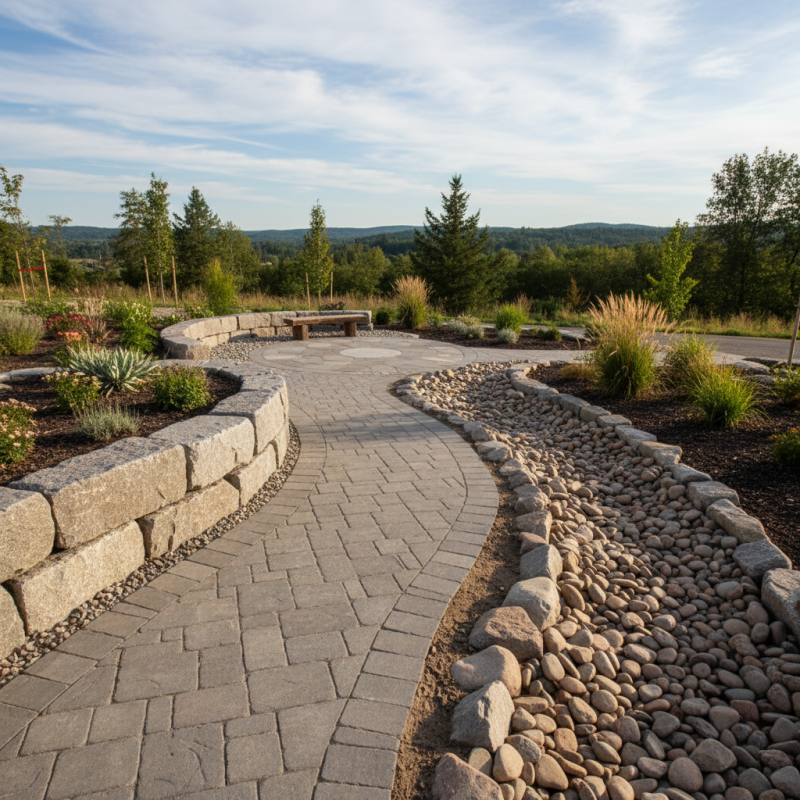
When choosing the best stone for landscaping, consider functionality and aesthetics. Different types of stone serve unique purposes. For pathways, gravel is a popular choice. It provides good drainage and is easy to install.
Limestone works well for patios, offering a sturdy surface that blends with natural surroundings. Its light color can brighten shaded areas, but it may require sealants to maintain its appearance.
Natural stone, such as granite, is excellent for retaining walls. It offers durability and an impressive visual appeal. However, granite can be heavier and more expensive than other options.
Flagstone is another versatile choice, suitable for varied designs. Its irregular shapes create rustic charm. Keep in mind that the installation requires skill for a professional finish.
Consider the local climate and maintenance needs. Some stones may weather faster than others. For example, softer stones like sandstone can be prone to erosion. It's crucial to weigh these factors.
Experimenting with different textures and colors can enrich your landscape, but not every selection will deliver the desired outcome. Balancing beauty with practicality is key.
When choosing stones for landscaping, cost-effectiveness is crucial. The price of landscaping stones varies significantly. According to the National Landscaping Association, gravel can cost as little as $15 per ton, while decorative stones can soar to $100 per ton. This discrepancy raises important questions about value and utility.
Quality matters as much as price. Durable stones like granite last longer but also come at a premium. Conversely, cheaper options like limestone may require more frequent replacement. This can lead to hidden costs over time. A valuable report from the American Stone Institute highlights that investing in quality stones can reduce long-term maintenance expenses.
Tips: Consider your local climate. Some stones may degrade more quickly in wet environments. Furthermore, aesthetics shouldn’t dominate practical considerations. Evaluate both the initial cost and their lifespan. Opt for stones that balance beauty and durability, ensuring that your landscape remains vibrant without incurring excessive replacement costs.
| Stone Type | Cost per Ton ($) | Durability (Years) | Aesthetic Appeal (1-10) | Maintenance Level (1-5) |
|---|---|---|---|---|
| River Rock | 100 | 25 | 8 | 2 |
| Flagstone | 150 | 20 | 9 | 3 |
| Limestone | 120 | 30 | 7 | 4 |
| Granite | 200 | 50 | 10 | 1 |
| Basalt | 160 | 40 | 8 | 3 |
Sustainability has become a crucial aspect of landscaping. Eco-friendly stone options offer a way to enhance outdoor spaces while minimizing ecological impact. Natural stones, such as slate and granite, are durable choices. They can last for decades without needing replacement. This longevity is essential, as it reduces the need for frequent sourcing and transportation.
According to a report by the National Stone, Sand & Gravel Association, the stone industry contributes significantly to sustainable practices. Approximately 70% of the raw materials used are sourced locally. This reduces transportation emissions, making these materials eco-friendlier. Local sourcing also supports regional economies, a win-win for communities.
However, not all stones are equally sustainable. Some options require extensive quarrying, which can disrupt ecosystems. In contrast, recycled stones provide an alternative. Using reclaimed materials, such as old bricks or crushed concrete, can diminish the need for new resources. The use of reclaimed stones has increased by 30% over the past five years, showing a shift toward more sustainable practices in landscaping. As landscape designers seek to balance aesthetics with environmental responsibility, considering the source and lifecycle of stone is essential.
When selecting stones for landscaping, durability is key. The lifespan of stone in gardens can vary greatly. Some stones weather beautifully over time, while others may crack or fade. It’s crucial to consider the local climate when making this decision. For instance, stones exposed to harsh winters may need extra care.
Maintenance levels also differ among stone types. Sedimentary stones may require sealing to prevent stains. Igneous stones, like granite, are often more resistant to wear. However, even the toughest stones need occasional maintenance. Regular cleaning can prevent the buildup of moss and algae, keeping your garden looking fresh.
Choosing the right stone is not only about aesthetics. Reflect on the maintenance you are willing to commit to. Some stones can appear worn after just a few seasons if not properly maintained. Assess your ability and readiness to care for the stone in your garden. Balancing beauty and durability is essential for a successful landscape.
As we move into 2026, landscape design continues to evolve, embracing natural beauty and sustainability. Stone remains a popular choice for various projects, blending functionality with aesthetics. Rich textures and earthy tones in natural stone create an inviting atmosphere. They can help unify the design, connecting hardscapes with living elements like plants.
Garden paths and patios often feature flagstone, which provides a rustic yet refined look. Its irregular shapes and varied colors add character to any outdoor space. However, homeowners should consider the maintenance required. Selecting the right stone involves weighing its durability against potential wear and tear.
Limestone and granite are emerging favorites for retaining walls and garden beds. Their strength ensures longevity. Yet, suppliers may have inconsistencies in quality. By sourcing locally, you may find hidden gems, but do your due diligence. Look for eco-friendly options that promote sustainability while enhancing your landscape's charm. The balance between beauty and practicality remains a central theme in this year’s stone choices.
: Consider cost, durability, and maintenance. Evaluate the balance between aesthetics and practicality.
Landscaping stone prices vary. Gravel can be about $15 per ton, while decorative stones may reach $100.
Quality impacts longevity. Cheaper stones may need frequent replacement, leading to hidden costs over time.
Yes, natural stones like slate and granite are durable and minimize environmental impact through lasting performance.
Sourcing locally reduces transportation emissions and supports regional economies, making materials more eco-friendly.
Reclaimed stones are recycled materials, like old bricks or crushed concrete. They reduce the need for new resources.
The use of reclaimed stones has increased by 30% in the past five years, reflecting a shift toward sustainability.
Yes, some stones may degrade faster in wet environments. Consider climate suitability when selecting stones.
Aesthetics can be appealing, but practical considerations should also be prioritized to prevent frequent replacements.
Cheaper stones may require more maintenance and replacements, leading to increased long-term expenses.
When considering what is the best stone for landscaping in 2026, various factors come into play, including the type of stone, its cost-effectiveness, and sustainability. An overview of the best types of stone reveals that options such as granite, limestone, and slate are popular for their aesthetic appeal and versatility in landscaping projects. A comparative analysis highlights the economic aspects of each stone type, helping homeowners make informed decisions based on budget and design needs.
Additionally, sustainability is a growing concern, with eco-friendly stone options gaining traction. The durability of these materials is also crucial, as evaluating their lifespan can significantly impact long-term maintenance. Lastly, current trends in landscape design showcase preferred stone choices that reflect both functionality and modern aesthetics, guiding landscapers and homeowners alike in selecting the ideal stone for their outdoor spaces.

Tranquix Stone