Stone landscaping can elevate any outdoor space, but many face challenges. Understanding what are common mistakes in stone landscaping is essential for a successful project. Many homeowners rush into the design without proper planning, leading to costly errors. Choosing the wrong type of stone or neglecting drainage can cause major issues over time.
It's vital to have a vision and a clear design before starting. Skipping essential steps, like soil assessment and layout planning, can lead to disappointment. Creative ideas may be there, but execution is often flawed. Selecting low-quality materials can impact the overall look and longevity. Ignoring maintenance needs can turn a beautiful landscape into a burden.
Being aware of these missteps can save time and money. Landscape professionals often see the same mistakes repeated. Learning from others' experiences will help you to create a stunning and functional stone landscape. Emphasizing careful planning, proper selection, and ongoing maintenance can lead to a beautiful outdoor environment.
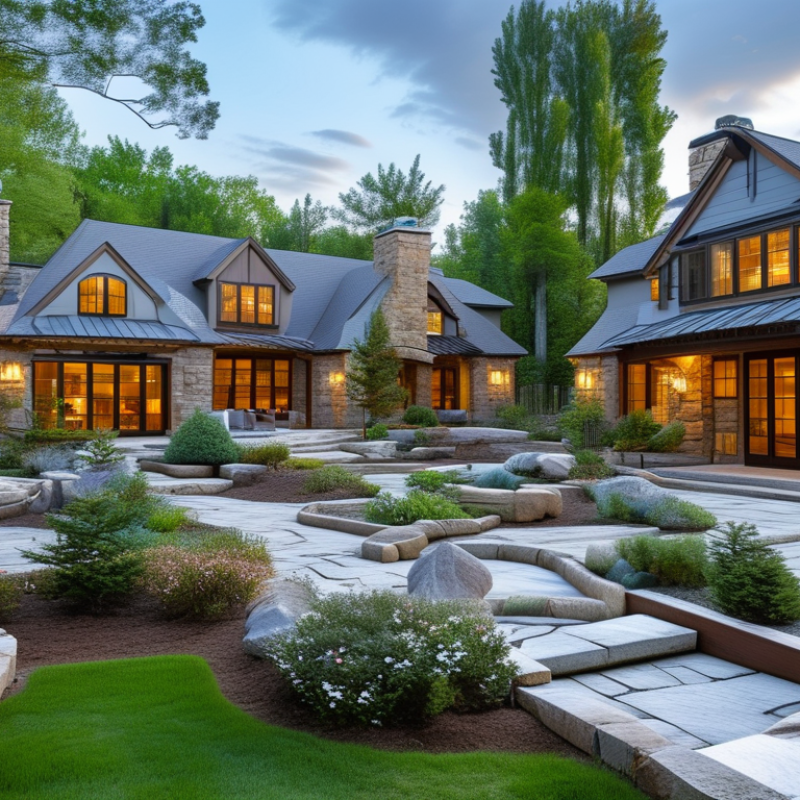
Stone landscaping can transform outdoor spaces, but mistakes are common. Understanding the basics is vital to avoid pitfalls. According to the "2023 Landscaping Trends Report", improper stone selection affects durability. Choosing the right stone size and type influences drainage and stability.
Tip: Assess your environment before selecting stones. Soil conditions and local climate play a significant role in stone performance.
Another common error is neglecting proper maintenance. A study from the "Landscape Maintenance Guidelines" highlights that 40% of landscaping failures stem from poor upkeep. Failing to ensure proper installation can lead to shifting stones and cracks.
Tip: Regularly inspect your stone features. Small cracks can grow into bigger problems if left unattended.
Awareness of these fundamentals helps mitigate mistakes. Knowledge empowers homeowners to create a solid foundation for their outdoor aesthetics.
Choosing the right types of stones for your landscape design
is crucial. Different stones bring unique textures and colors. Consider your overall theme. For a rustic look, opt for
natural stones like fieldstone. These add warmth and an organic touch.
Uniform stones, like granite, can create structured aesthetics. They are
perfect for modern gardens. Color also matters. Lighter stones reflect sunlight and can brighten shaded areas. Dark stones provide
contrast and can ground a design.
Some stones can be difficult to work with. The weight of certain types can complicate installation. It's essential to plan the
layout carefully. Consider the maintenance required for different stones. Some may need sealing or cleaning. Evaluate whether
you’re ready for that commitment. Each choice should align with your vision.
Proper planning is the foundation of any successful stone landscaping project. Assessing the space is crucial. Consider the layout and existing features of your yard. Measure the area accurately. Identify natural elements like trees or slopes. They will influence your design choices significantly. A well-planned space makes the installation smoother and reduces costly mistakes.
When designing your stone landscape, visualize how each element fits together. Will your stones complement the surrounding greenery? Think about color and texture. Sketching out your ideas can help you see potential issues early. You might realize that certain arrangements look cluttered or unbalanced. Don’t be afraid to revise your plans. Flexibility is key in the design process. Each adjustment brings you closer to an ideal layout.
Take the time to research various stone types. Some are more suitable for specific climates or uses. For instance, porous stones can retain water, affecting nearby plants. Learn about maintenance needs as well. Neglecting this could lead to future headaches. A thoughtful approach now can save you effort later on.
| Mistake | Description | Solution | Tools Needed |
|---|---|---|---|
| Improper Measurement | Not accurately measuring the area for stones can lead to mismatched sizes and insufficient material. | Use a measuring tape and a digital level for precision. | Measuring Tape, Digital Level |
| Ignoring Drainage | Failure to account for water drainage can lead to stone shifting and damage. | Plan slopes and install drainage systems to direct water away. | Drainage Pipes, Shovels |
| Insufficient Base Preparation | A weak base can cause stones to settle unevenly. | Excavate the area and compact the base layer properly. | Compactor, Excavator |
| Not Considering Stone Size | Using stones that are too large or too small can disrupt the visual harmony. | Select stones that are proportionate to the space. | Design Software, Samples |
| Lack of Maintenance Planning | Not planning for ongoing care can lead to deterioration. | Create a maintenance schedule and choose suitable stones. | Gardening Tools, Cleaning Supplies |
Laying stones in landscaping can transform your outdoor space. However, many people make mistakes that can lead to issues later. One common mistake is not properly preparing the base. The ground must be level and stable. If it’s uneven, the stones may settle improperly. This can cause cracks and shifts over time. Proper base preparation is crucial for longevity.
When securing stones, one effective technique is to use jointing material. This helps lock in the stones and provides stability. Avoid using too much water when mixing the material. Otherwise, it can weaken the bond. It’s essential to pack the stones tightly while allowing for drainage. Poor drainage can lead to water pooling and further damage. Remember, even the best plans can falter without careful execution.
Incorporating design elements like borders can enhance the structure. However, many overlook the importance of aesthetics and function. Make sure your layout considers how stones will be used. Take time to reflect on the overall vision of your landscaping. It’s easy to rush the process, but a thoughtful approach will yield a more satisfying result. Take the time to evaluate your work regularly. This can help you identify issues early.
Maintaining a stone landscape can be challenging but rewarding. One common mistake is neglecting proper drainage. Poor drainage leads to water pooling, which can damage stones and plants. To avoid this, ensure your landscape has a well-designed slope. Regularly check for clogs in drains and ditches. Small maintenance tasks can prevent bigger problems later.
Another issue is choosing the wrong stone type. Some stones weather poorly in certain climates. Research local conditions before making a selection. Also, be proactive about weeds. They can easily invade gaps between stones. Using a weed barrier can help, but it requires regular monitoring.
It’s essential to inspect your landscape regularly. Look for cracks or shifting stones. Early detection can save you time and money. Lastly, remember that even the best plans may have flaws. Be prepared to adapt your approach as needed. Realizing that mistakes happen is part of the process. Embrace each challenge as a learning opportunity.
: Different stones offer unique textures and colors that affect the overall theme.
Natural stones, like fieldstone, add warmth and an organic touch to designs.
Lighter stones brighten shaded areas, while dark stones provide contrast and balance.
Measure accurately and identify natural elements that will influence your design choices.
Visualize the layout and be flexible. Sketch your ideas to see potential issues.
Some stones need sealing. Regular checks for drainage and weeds are also essential.
Poor drainage leads to water pooling, damaging both stones and plants over time.
Using a weed barrier helps, but it needs regular monitoring to remain effective.
Inspect your landscape regularly. Early detection of issues saves time and money.
Yes, mistakes happen. Embrace them as learning opportunities for future projects.
In the article "2026 How to Avoid Common Mistakes in Stone Landscaping," a comprehensive guide is presented to help enthusiasts navigate the complexities of stone landscaping. It begins by outlining the basics of stone landscaping and identifies what are common mistakes in stone landscaping, such as improper stone selection and inadequate planning.
The article emphasizes the importance of choosing the right types of stones tailored to specific landscape designs and highlights the necessity of assessing space and design before installation. Readers will also find valuable techniques for correctly laying and securing stones, which are crucial for a stable and aesthetically pleasing landscape. Finally, maintaining the stone landscape is covered to prevent future issues, ensuring long-lasting beauty and functionality in stone installations.

Tranquix Stone